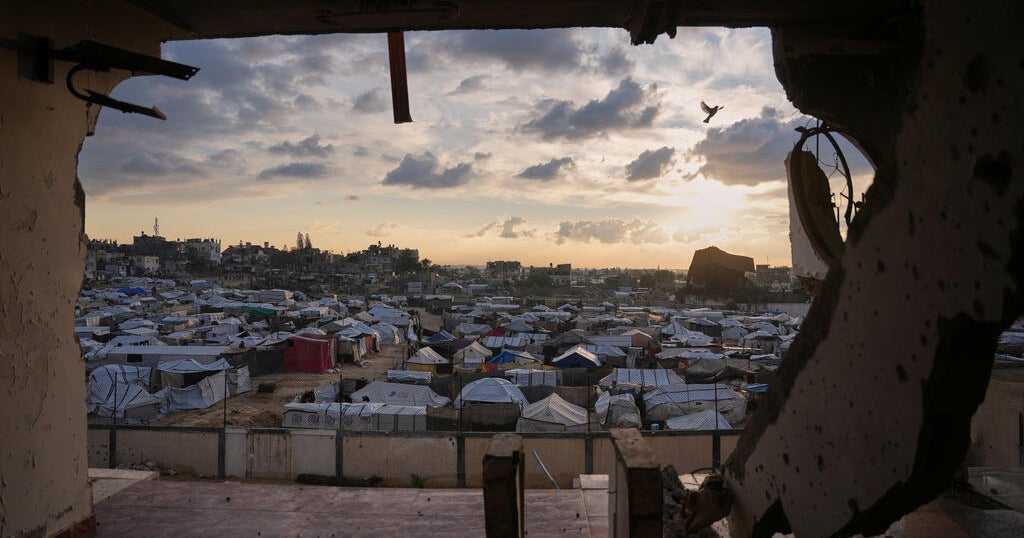
Israel's military said it killed senior Hamas commander Raed Saad—described as an architect of the Oct. 7, 2023 attack—after an explosive device detonated and wounded two soldiers; Hamas did not confirm the death and accused Israel of striking a civilian vehicle, calling it a breach of the U.S.-brokered ceasefire. The strike west of Gaza City reportedly killed four and wounded three, and comes amid mutual accusations of truce violations—Palestinian health officials say Israeli actions since the ceasefire have killed at least 386 people—while Israel insists it may target actors actively engaged in terrorism. The incident highlights the fragility of the ceasefire, complicates Israel’s demand for the return of the final hostage as a precondition for a second phase aimed at deposing Hamas and rebuilding a demilitarized Gaza, and occurs against a backdrop of heavy civilian casualties, widespread displacement and constrained humanitarian aid.
Israel's military announced it killed Raed Saad, whom it described as a senior Hamas commander and one of the architects of the Oct. 7, 2023 attack; the military said the strike followed an explosive device that wounded two soldiers, while Hamas did not confirm the death and accused Israel of striking a civilian vehicle. Reporting indicates the strike west of Gaza City killed four and wounded three, underscoring conflicting narratives on the incident's civilian impact.
The incident highlights the fragility of the U.S.-brokered ceasefire: Israeli officials contend strikes against actors ‘‘actively engaged in terrorism’’ are permitted, while Palestinian and international reports record at least 386 Palestinians killed since the ceasefire took effect and chronic shortfalls in humanitarian aid. The article also reiterates the larger context—Israel’s demand for return of the final hostage as a precondition for a second, more complex phase aimed at deposing Hamas and enabling a demilitarized, internationally supervised rebuilding of Gaza.
Sentiment signals are moderately negative and volatile (sentiment score -0.6; market impact score 0.35), implying modest broad market impact but elevated near-term geopolitical risk. Investors should expect headline-driven volatility, monitor ceasefire compliance, hostage developments and humanitarian access as the primary catalysts for shifts in risk premia and any potential revaluation of defense or reconstruction exposures.
AI-powered research, real-time alerts, and portfolio analytics for institutional investors.
Request DemoOverall Sentiment
moderately negative
Sentiment Score
-0.60
