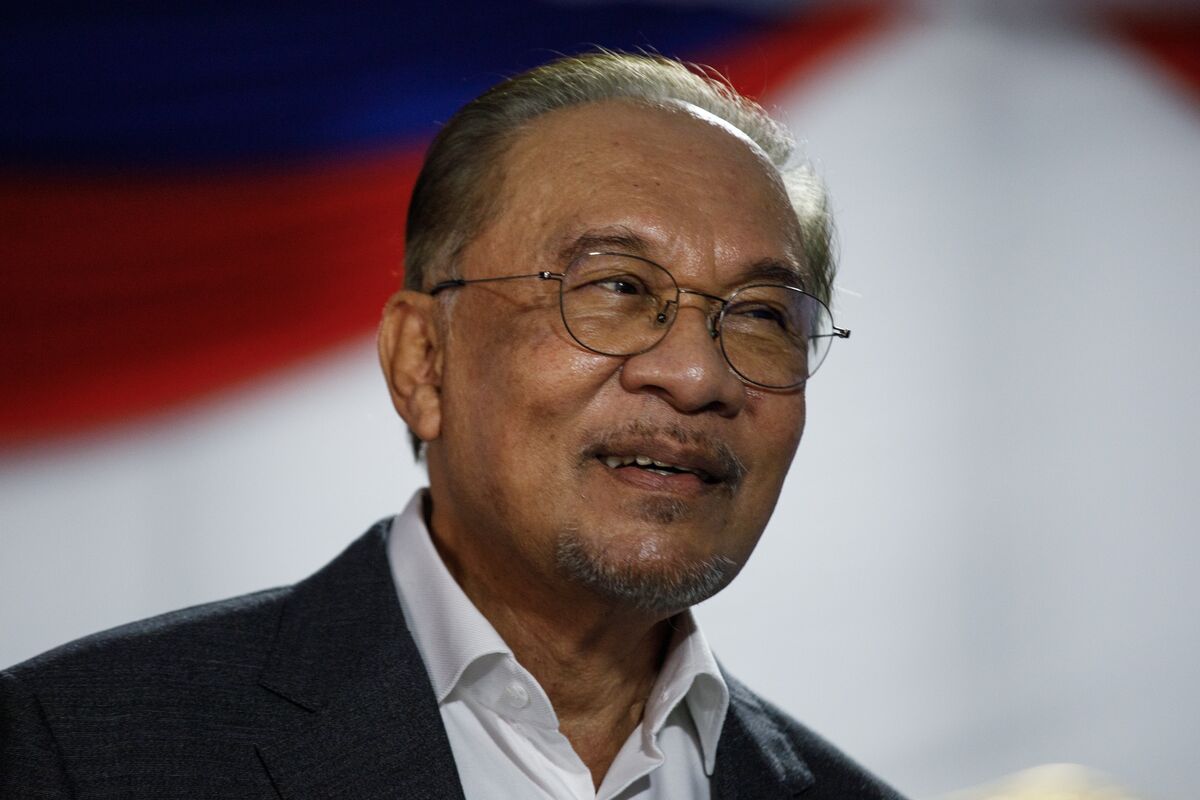
Hajiji Noor, an ally of Prime Minister Anwar Ibrahim, was sworn in as Sabah’s leader for a second term after his Gabungan Rakyat Sabah, contesting in pact with Pakatan Harapan, won 29 of 73 state assembly seats and said it had secured enough cross-party support to form a government. Second-placed Parti Warisan won 25 seats on a platform of defending state rights and autonomy; the result delivers continuity in state leadership and reduces immediate political uncertainty in Sabah while setting the terms for future negotiations over autonomy and regional policy.
Market structure: Hajiji’s coalition reduces immediate tail-risk of a violent political rupture in Sabah but raises the probability (10–25% over 12 months) of state-level demands for higher resource/royalty shares. Winners: domestic-facing sectors (Sabah tourism contractors, regional utilities, local banks) that could receive accelerated state spending; losers: federal fiscal position (modest) and centrally controlled contractors if revenue shares are renegotiated by 2–5% of resource receipts. Expect muted national market-share shifts but localized bidding opportunities in construction/O&G services in Sabah over 3–12 months.
Risk assessment: Short-term (days–weeks) volatility limited — market-impact score low (0.05) — but medium-term (3–12 months) tail scenarios include coalition collapse or a federal/state fiscal spat that could widen 10y MGS spreads by 10–40bps and weaken MYR 1–3%. Hidden dependency: federal budgetary flexibility (debt/GDP, subsidies) — if Kuala Lumpur concedes revenue split, expect increased capex in Sabah but tighter federal fiscal room, pressuring sovereign credit metrics. Catalysts: cabinet-level negotiations, federal budget revisions, or a Sabah-targeted stimulus package announced within 30–90 days.
Trade implications: Favor short-duration tactical longs in Malaysia via EWM (iShares MSCI Malaysia) for 3–6 months with 8–12% upside target if MYR stabilizes; overweight Malaysian banks (Maybank/MAY, CIMB/CIMB) for 6–12 months, target +15% vs KLCI on expectation of higher local lending and fee income. Hedge by shorting export/commodity names with limited Sabah exposure (e.g., TOPGLOV/TOPGLOV) as a pair trade (long MAYBANK, short TOPGLOV) to isolate domestic demand exposure; use 3-month options (buy calls on MAYBANK, buy puts on TOPGLOV) if volatility spikes.
Contrarian angles: Consensus underestimates localized procurement flows — if Sabah secures 2–4% higher revenue share, select small-cap Sabah contractors and regional hotel operators could jump 30–50% within 6–12 months; this is underfollowed. Conversely, if federal concessions pressure fiscal metrics, the MYR may decline >3% and MGS 10y could rerate +25–40bps — prepare dynamic stop-losses (8–10%) and trigger rules tied to USD/MYR moves and MGS yields.
AI-powered research, real-time alerts, and portfolio analytics for institutional investors.
Request DemoOverall Sentiment
neutral
Sentiment Score
0.00
