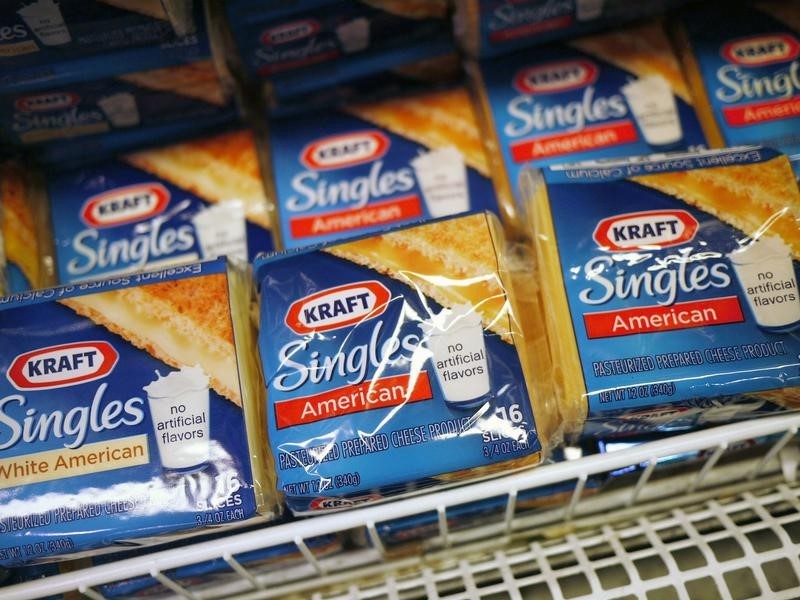
Packaged-food majors (Mondelez, JM Smucker, Kraft Heinz) are scaling back promotional spending after Barclays found aggressive 2025 promotions failed to meaningfully lift volumes and contributed to margin pressure across the sector. Mondelez reduced North America promotions after its Q4 2025 call; JM Smucker and Kraft Heinz announced similar pullbacks and reallocation toward higher-ROI programs. Companies are pivoting to a data- and AI-driven trade-spend approach to prune unprofitable promotions, a defensive move likely to stabilize margins but potentially cost near-term volume/share.
The primary structural shift is from breadth to precision in trade spend: expect firms that can redeploy budget into high-ROI SKUs and targeted promo mechanics to realize 100–200bp gross-margin upside within 2–4 quarters, even as headline unit volumes soften. That margin recovery will be front-loaded for companies with existing customer-data platforms and closer retailer integration; laggards face both margin leakage and a longer runway to build the analytics needed to recover share.
A key second-order effect is on retailers and private labels — less promotional noise makes slotting and shelf space more determinative of share, so vertically integrated retailers and large private-label programs can steal 50–150bp share in contested categories over a 6–12 month window. On the supply chain side, removing promo-driven production spikes reduces short-term overtime, expedited freight, and rebate accruals, improving operating leverage for manufacturers and co-packers but pressuring spot-volume dependent suppliers.
Tail risks: an inflation re-acceleration or a retail liquidity push (e.g., holiday windows) can force a re-escalation of promotions within 60–120 days, reversing early margin gains and inflicting rapid share loss on manufacturers that pulled back. The contrarian angle is that the market may underweight sustainable margin upside — if AI-driven trade optimization delivers even half the expected efficiency, select issuers could see consensus EPS upgrades and 15–25% multiple expansion over 12 months.
AI-powered research, real-time alerts, and portfolio analytics for institutional investors.
Overall Sentiment
mildly negative
Sentiment Score
-0.20
Ticker Sentiment
