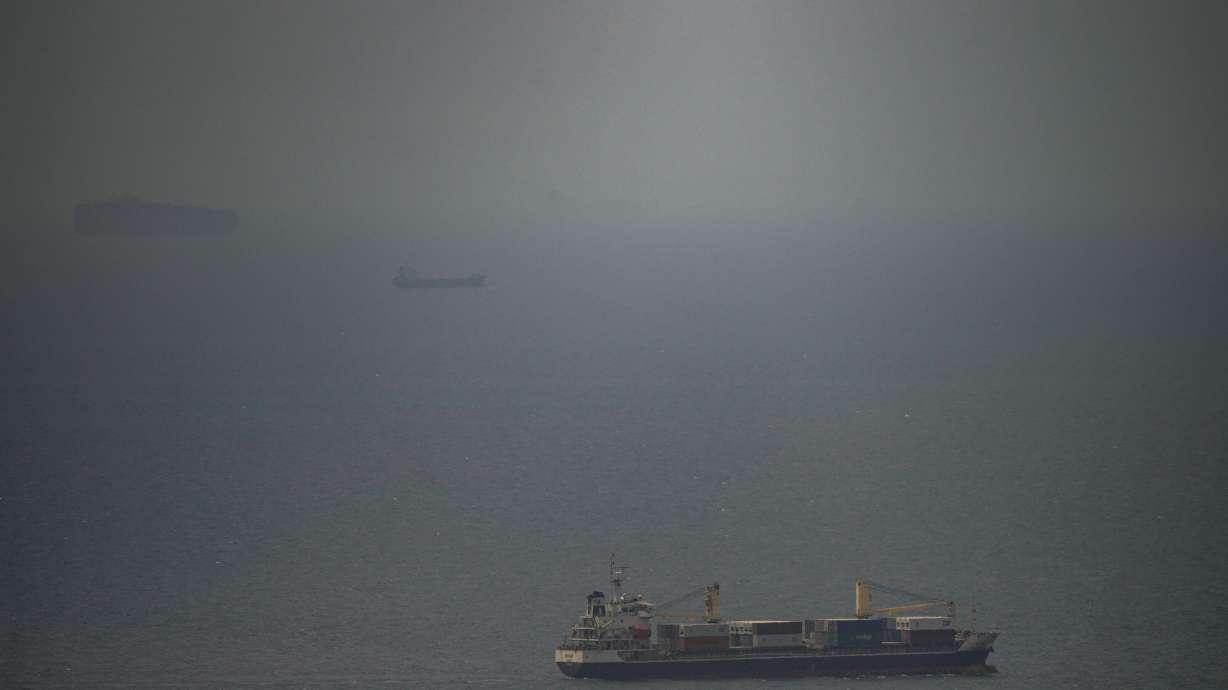
Trump ordered the U.S. Navy to "shoot and kill" Iranian boats suspected of laying mines in the Strait of Hormuz, while the U.S. also seized the Guinea-flagged tanker Majestic X tied to Iranian oil smuggling. The escalation threatens a waterway carrying about 20% of global crude oil and natural gas trade, with over 30 ships already attacked since the conflict began. The standoff has sharply curtailed traffic through the strait and is likely to keep energy, shipping, and insurance markets under severe pressure.
The market is underpricing the difference between a headline risk spike and a durable regime shift: once a major navy starts using kinetic rules against small craft, marine insurance and routing decisions reprice almost immediately, while physical flows reroute with a lag. That creates a near-term winner set in LNG/shipping infrastructure and a loser set in any business with just-in-time Gulf exposure, especially refiners, chemical feedstocks, and Asian heavy industry that depends on low-cost energy arriving on schedule.
The second-order effect is that even if outright crude supply is not permanently removed, the optionality premium on transit through Hormuz rises materially. Historically, that shows up first in tanker rates, then in feedstock spreads, then in downstream margins; the fact pattern favors persistent volatility rather than a one-day oil spike. If the confrontation remains below direct attacks on export terminals, the energy complex may see a steeper curve and wider regional differentials rather than a full-blown supply shock.
The political catalyst stack is asymmetric: de-escalation requires visible Iranian restraint, but escalation can happen from a single mine incident or misidentification at sea. That makes the next several sessions a tactical event trade, while the broader story could last months if insurers, charterers, and port operators keep baking in a higher probability of interdiction. The contrarian angle is that the market may focus too much on headline crude and too little on logistics bottlenecks, where the real earnings revisions may be concentrated.
AI-powered research, real-time alerts, and portfolio analytics for institutional investors.
Overall Sentiment
strongly negative
Sentiment Score
-0.78
