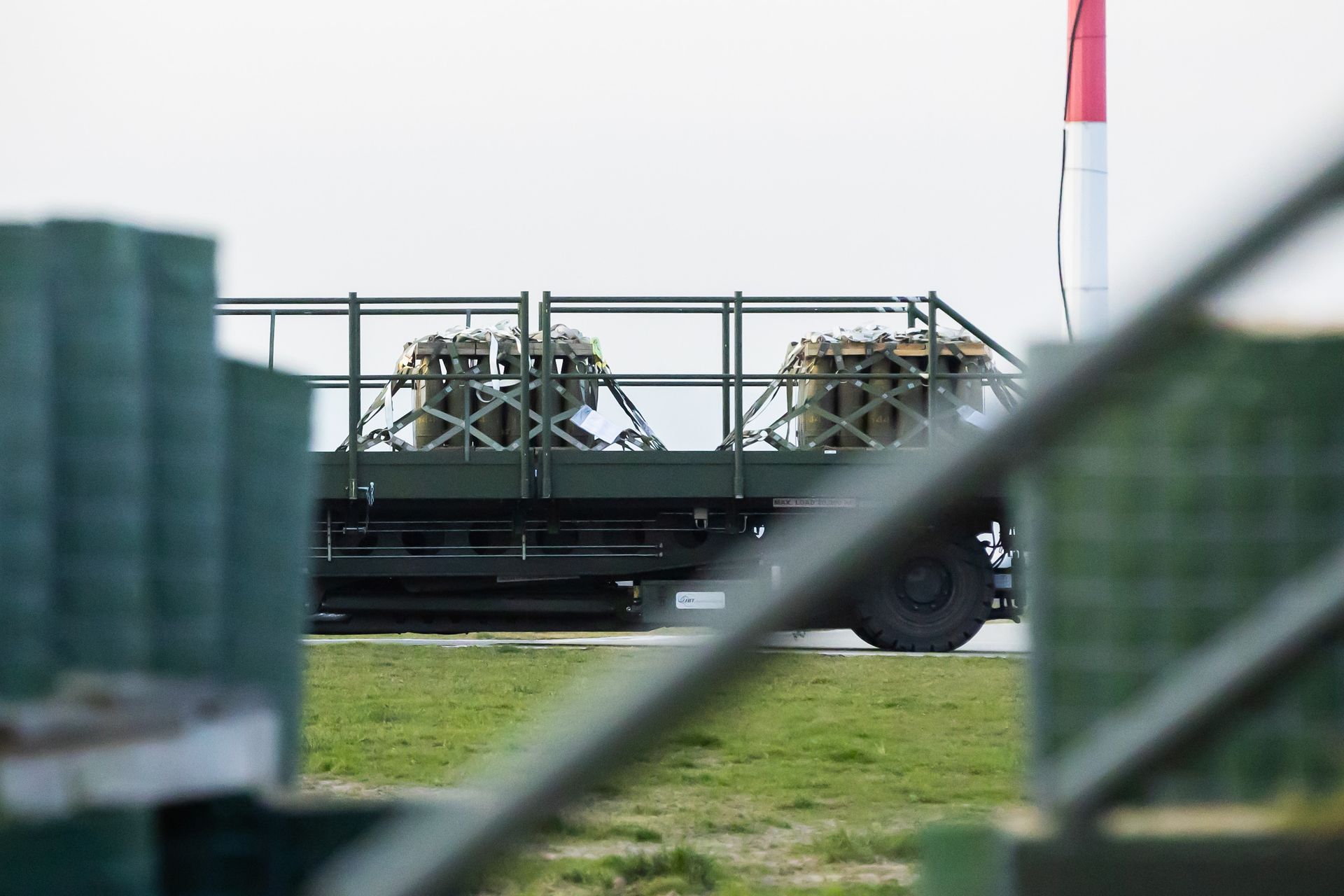
A report by the Palestinian Youth Movement says TNT shipments bound for Ukraine have been disrupted as NATO allies and the U.S. diverted ammunition to Israel for its Gaza campaign, noting a December 2023 U.S. sale of shells valued at $147 million; the TNT in question is a feedstock for larger munitions including 155mm rounds. The piece highlights structural supply constraints—Europe has only one large-scale TNT plant in Poland and the U.S. now imports roughly 90% of its TNT from Poland after domestic closures—while U.S. exports of tens of thousands of shells to Israel and existing production bottlenecks have delayed deliveries to Kyiv even as NATO leaders say European output has expanded markedly. The diversion and limited manufacturing capacity risk prolonging Ukraine’s ammunition shortfalls and could force further reprioritization of allied military aid and industrial investment, though efforts to improve defense-industry efficiency are underway.
A report dated Nov. 18 from the Palestinian Youth Movement states TNT shipments originally destined for Ukraine have been disrupted after NATO allies and the U.S. diverted ammunition to Israel for operations in Gaza, citing a December 2023 U.S. sale of shells worth $147 million. The TNT is a feedstock for larger munitions, including 155mm artillery rounds, linking feedstock allocation directly to frontline ammunition availability for Kyiv.
Structural supply constraints magnify the diversion impact: the article notes Europe has only one large-scale TNT plant in Poland and that U.S. closures left Washington importing roughly 90% of its TNT from Poland, creating a concentrated single-point risk. The report also cites U.S. exports of “tens of thousands” of shells to Israel and production bottlenecks that delayed deliveries to Ukraine even as NATO Secretary General Mark Rutte asserted Europe can now produce six times more artillery shells than two years ago.
The combination of diversion, concentrated Polish production and existing bottlenecks raises near-term downside risk to Ukraine’s ammunition supply and forces potential allied reprioritization, producing a moderately negative market tone with a market-impact score of 0.45. Investors should therefore focus on defense supply-chain resilience, announcements on Polish TNT capacity and future U.S./NATO allocation decisions as the primary catalysts for feedstock pricing and defense-sector earnings.
AI-powered research, real-time alerts, and portfolio analytics for institutional investors.
Request DemoOverall Sentiment
moderately negative
Sentiment Score
-0.55
