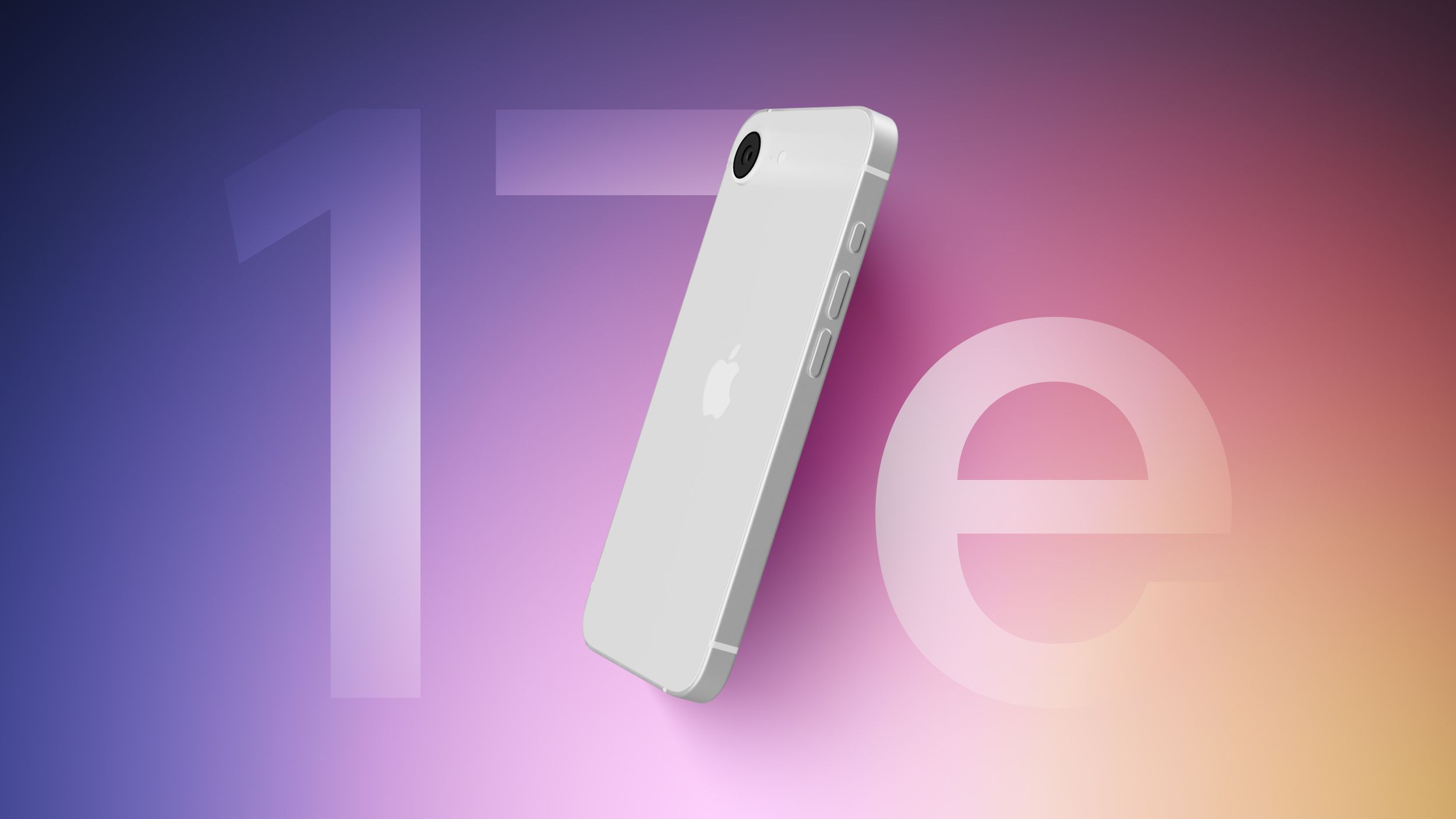
Apple's rumored iPhone 17e is reported to add a Dynamic Island to a 6.1-inch OLED display but retain a 60Hz refresh rate to control costs, while potentially keeping the $599 entry price and launching as early as February or in spring. The device is said to move to an A19 chip (TSMC N3P) with roughly 5–10% CPU improvement versus the A18—possibly downclocked in some units—and may use older C1/C1X modems without the N1 wireless chip; other specs include retained 12MP front/48MP rear cameras, Face ID and potential MagSafe ring. For investors, the mix of modest performance upgrades, cost-saving component choices and maintained pricing suggests limited near-term upside to Apple's unit pricing or margins but could support sustained demand for a lower-priced model without materially shifting revenue dynamics.
Market structure: Apple (AAPL) is protecting the $599 entry SKU while preserving margin by swapping visual UX (Dynamic Island) for a 60Hz panel and a downclocked A19 — a move that sustains price elasticity in the low-$600 segment but limits upgrade-driven ASP lift. Taiwan Semiconductor (TSM) is a direct winner from additional N3P demand for the A19 even if downclocked; expect incremental fab utilization rather than a large ASP expansion (estimate +5-10% wafer demand vs prior year if iPhone 17e volumes reach ~10–15m units H1). Accessory and MagSafe ecosystems gain modestly; premium OLED/120Hz display suppliers see demand displacement at the margin.
Risk assessment: Near-term tail risks include N3P yield shortfalls at TSM (supply shock) or weaker-than-expected consumer upgrades (demand shock) that could trim iPhone volumes by 5–10% in a quarter. Time windows: immediate (30–90 days) — launch cadence and component allocations; short-term (3–6 months) — shipment and sell-through; long-term (12+ months) — platform-level share shifts if mid-tier retains buyers. Hidden dependency: Apple’s use of older C1/C1X modems reduces supplier content per phone, compressing revenue for modem vendors and shifting gross-margin mix for Apple.
Trade implications: Favor semiconductor-capex beneficiaries (TSM) 6–12 months; AAPL reaction likely muted but positive on controlled price point — use defined-risk option structures around expected Feb–Apr launch. FX/bond impacts are minimal; watch implied volatility in AAPL options that typically spikes into launches (IV move >25% should change strategy).
Contrarian angle: Consensus underestimates the strategic value of preserving sub-$600 volume — this may cap Android mid-tier share gains and protect Apple’s unit growth without diluting brand. Overreaction risk: buying AAPL on feature upgrades is likely underdone but buying purely on iPhone feature parity is overdone. If TSM reports >15% QoQ N3 revenue to Apple, the N3 story is likely underappreciated and warrants adding exposure.
AI-powered research, real-time alerts, and portfolio analytics for institutional investors.
Request DemoOverall Sentiment
neutral
Sentiment Score
0.18
Ticker Sentiment
