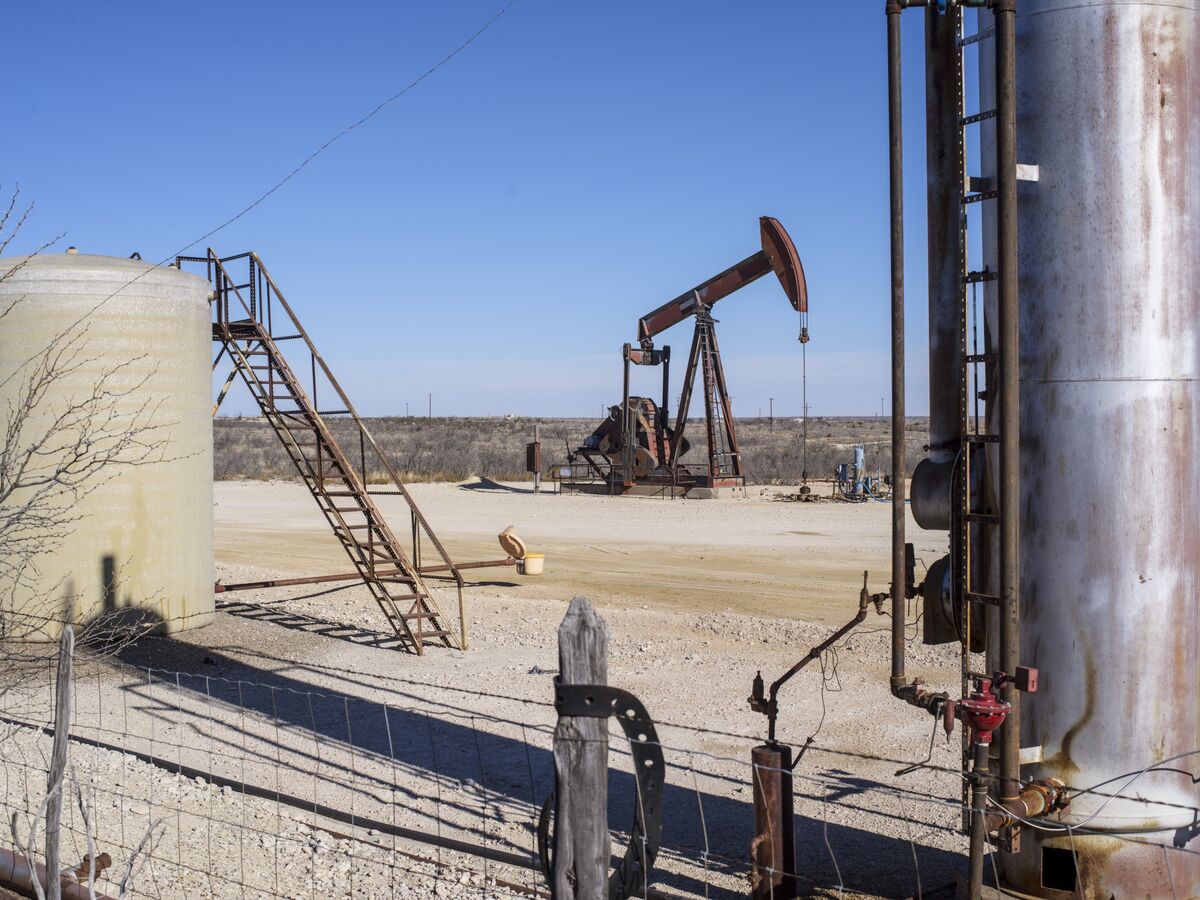
Quantum Capital Group, a major investor in private shale operators, reports that U.S. oil field activity is slowing as crude prices in the mid-$60s per barrel are deemed a 'profit red zone,' failing to generate adequate returns for new drilling. Quantum's Executive Vice Chairman, Dwight Scott, highlighted that this price level is detrimental to profitability, leading to reduced activity, though he anticipates the slowdown to be temporary.
According to Quantum Capital Group, a significant investor in private shale operators, U.S. oil field activity is decelerating as crude prices in the mid-$60s per barrel level represent a 'profit red zone.' Dwight Scott, Quantum's executive vice chairman, explicitly states this price point is dangerously close to a level that fails to generate adequate returns for new drilling investments. This commentary provides a credible indicator of the breakeven costs for marginal production in the shale patch, suggesting that sustained prices below this threshold will continue to suppress new activity. While Scott characterizes the current slowdown as 'temporary,' the statement underscores the direct and negative impact of current commodity pricing on the fundamental profitability and operational tempo of U.S. producers, a sentiment reflected in the moderately negative signal.
AI-powered research, real-time alerts, and portfolio analytics for institutional investors.
Request DemoOverall Sentiment
moderately negative
Sentiment Score
-0.50
