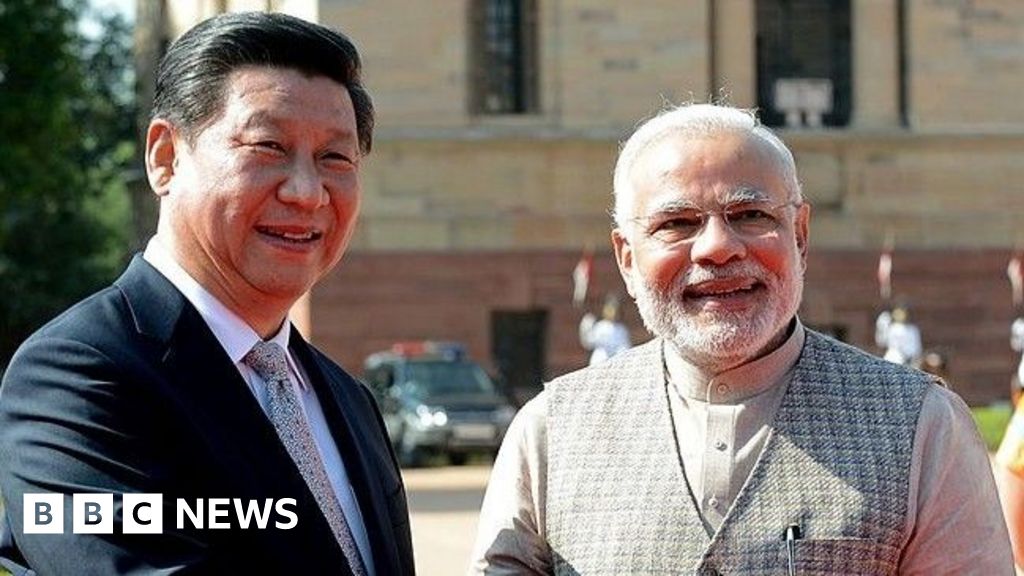
India is actively pursuing a complex, multi-aligned foreign policy, balancing engagement with the U.S.-led Quad, the China-Russia-led SCO, and other blocs to preserve strategic autonomy. This hedging strategy, driven by India's ambition for great power status and its need to manage China, faces increasing pressure, particularly from the Trump administration over discounted Russian oil purchases and trade issues. Despite its economic and military limitations, India's continued flexibility reflects a calculated approach to gain leverage in a fracturing global order, underscoring significant geopolitical complexities for institutional investors.
India's foreign policy is navigating a period of significant stress, characterized by a deliberate strategy of 'multi-alignment' or hedging amidst a fraying global order. The nation simultaneously engages with competing geopolitical blocs, such as the U.S.-led Quad and the China-Russia-led Shanghai Cooperation Organisation (SCO), to maintain its strategic autonomy. This balancing act is under pressure from the Trump administration, which has criticized India's purchases of discounted Russian oil and threatened higher tariffs, creating a 'chill' in relations. Concurrently, India is pursuing a pragmatic rapprochement with China, evidenced by a planned leadership summit, despite a structural rivalry, a $99 billion trade deficit, and unresolved border tensions from the 2020 Galwan clashes. This diplomatic maneuvering is shaped by a mismatch between India's great power ambitions and its current economic and military capacity; its $4tn economy is a fraction of the US ($30tn) and China's ($18tn), and it remains the world's second-largest arms importer. Analysts cited in the report suggest India's strategy is a calculated necessity—the 'best bad choice'—to buy time and build capacity, with the expectation that it must absorb short-term political friction, particularly from the U.S., while managing its enduring rivalry with China.
AI-powered research, real-time alerts, and portfolio analytics for institutional investors.
Overall Sentiment
moderately negative
Sentiment Score
-0.40
