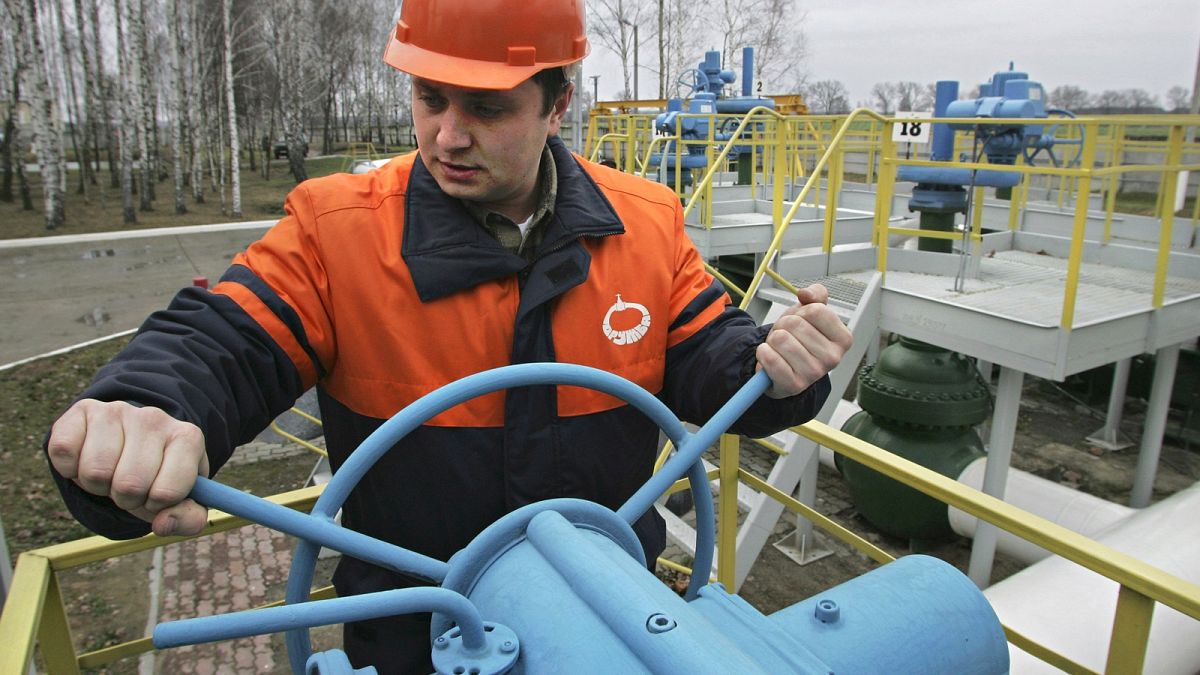
The European Commission is preparing to impose tariffs on Russian oil still imported by Hungary and Slovakia, which currently receive an estimated 100,000 bpd each via an exemption from the 2022 EU ban. This initiative, spurred by pressure from Donald Trump and the EU's commitment to fully cut Russian energy ties, aims to increase costs for these nations and accelerate their transition to alternative suppliers. Unlike sanctions, these tariffs require only a qualified majority, bypassing individual vetoes and signaling a more aggressive approach to reducing Russia's energy revenue, though Hungary and Slovakia have voiced concerns regarding energy security and costs.
The European Commission is poised to introduce tariffs on Russian oil imports to Hungary and Slovakia, a tactical shift in its economic pressure campaign against Moscow. This move, prompted by direct calls from US President Donald Trump, targets the approximately 200,000 barrels per day of Urals crude still flowing through the Druzhba pipeline under an exemption from the EU's 2022 ban. The key significance lies in the mechanism: by using tariffs, which require only a qualified majority for approval, the Commission can bypass the potential vetoes from Hungary and Slovakia that would block formal sanctions. This strategy is explicitly designed to raise the material cost of Russian oil for these landlocked nations, whose refineries are configured for the heavy Urals grade, thereby accelerating their transition to alternative suppliers ahead of the 2027 target. While Hungary cites infrastructural dependence and warns of energy insecurity and price hikes for consumers, the EU's action signals a less patient and more forceful approach to severing the bloc's final energy ties with Russia, directly challenging the economic viability of this remaining supply route.
AI-powered research, real-time alerts, and portfolio analytics for institutional investors.
Overall Sentiment
moderately negative
Sentiment Score
-0.35
