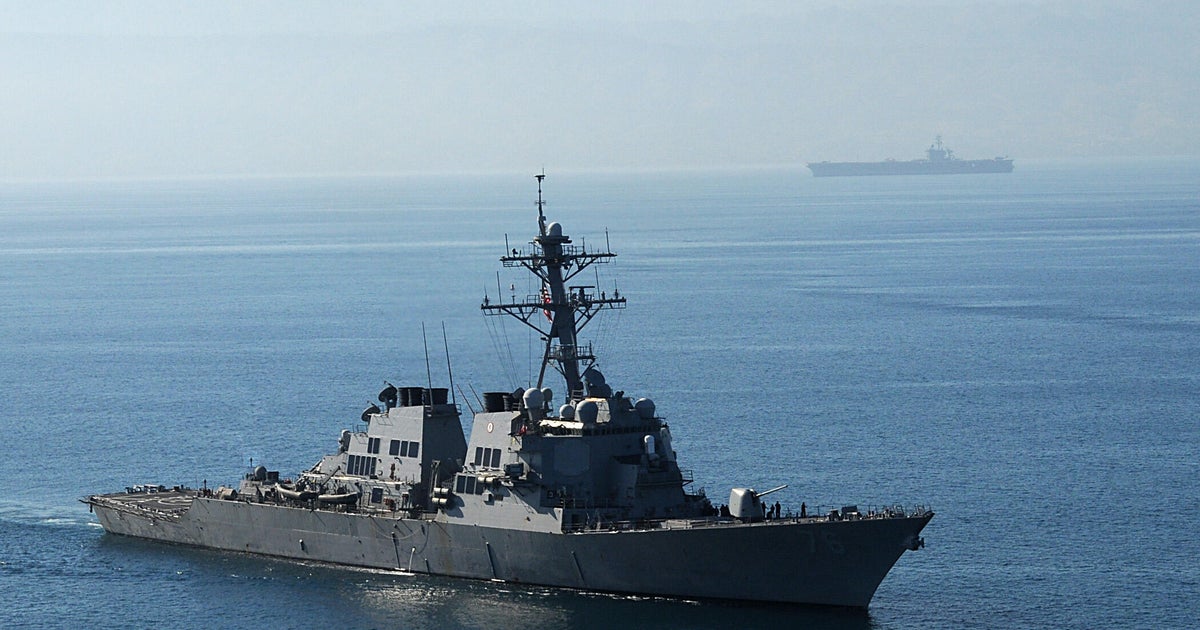
An electrical fire aboard the USS Higgins knocked out electricity and propulsion, though it was immediately extinguished and no injuries were reported. The Navy classified the incident as an electrical casualty, and the cause remains under investigation. The event is operationally negative for U.S. naval readiness but appears contained and unlikely to have broad market impact.
The market read-through is less about the individual ship and more about the accumulation of small readiness failures across a high-tempo force structure. When propulsion or electrical systems go down on forward-deployed assets, the immediate financial effect is negligible, but the strategic effect is that maintenance cycles lengthen, sortie rates soften, and the Navy is forced to lean harder on a shrinking pool of deployable hulls. That tends to benefit contractors with repair, depot, and fleet sustainment exposure more than pure shipbuilders, because the near-term budget response is usually accelerated maintenance spend rather than new procurement. The second-order issue is operational strain in INDOPACOM. Repeated mishaps on carriers and destroyers increase the probability of schedule slippage, which can subtly reduce the credibility of deterrence signaling without any headline change in force posture. Over the next few weeks, the main catalyst is whether this is treated as an isolated electrical casualty or folded into a broader narrative of maintenance backlogs and aging platforms; the latter would support a modest re-rating of defense services and MRO names tied to Navy sustainment. The contrarian angle is that the event is probably over-discounted as "no injuries, quickly contained," but underappreciated as evidence that operational resilience, not platform count, is becoming the limiting factor. If the Navy has to substitute readiness with more contractor support, the winners are in maintenance, power systems, and testing/inspection—not necessarily the prime shipbuilders. For equities, the setup argues for selective exposure to defense services while avoiding reflexive longs in names that depend on new-build cycles only. The key risk to this thesis is if the investigation points to a one-off equipment defect rather than systemic maintenance issues; in that case, the trade fades quickly over 2-6 weeks. A broader escalation in Pacific tensions would also swamp the maintenance narrative and pull capital back toward primes and munitions stocks instead of sustainment beneficiaries.
AI-powered research, real-time alerts, and portfolio analytics for institutional investors.
Request DemoOverall Sentiment
mildly negative
Sentiment Score
-0.15
Ticker Sentiment
