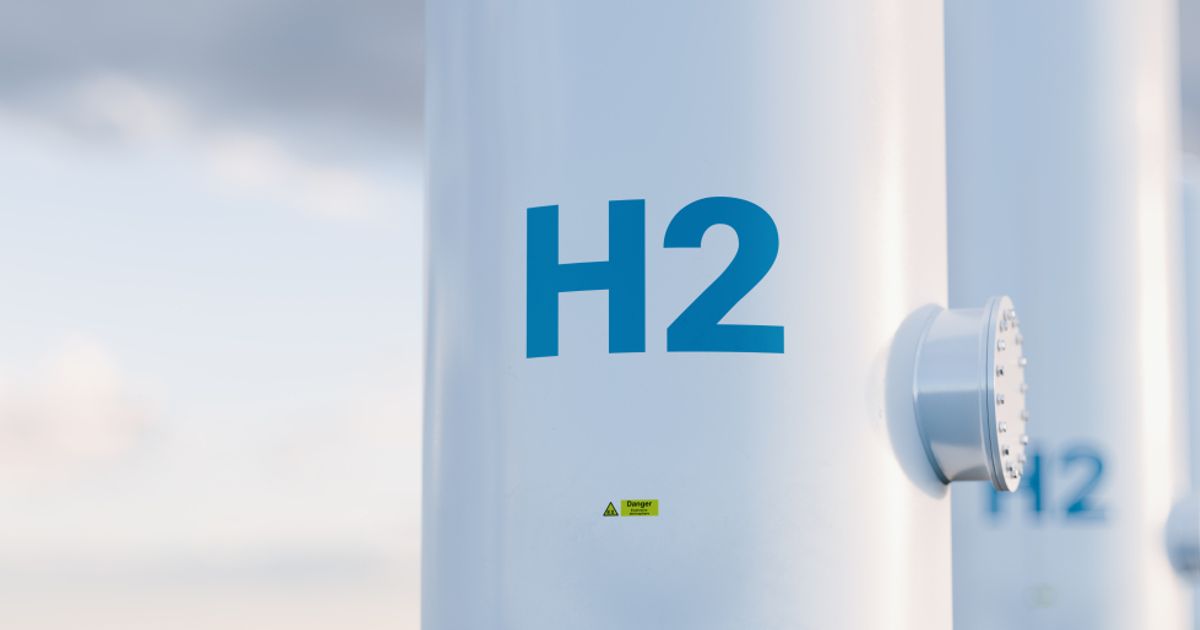
The UK Environment Agency has revised AFC Energy's R&D permit to allow export and sale of low‑carbon hydrogen from its Dunsfold pilot ammonia cracker, which the company says will accelerate hydrogen revenue generation by “a number of months.” The Dunsfold pilot can produce up to 300 kg/day of ISO 14687 grade D (99.97% pure) hydrogen; AFC is partnering with Industrial Chemicals Group to deploy Hy‑5 units at Port Clarence, each capable of up to 500 kg/day, and is engaging regulators on permitting for wider UK rollouts. The permit change also validates AFC’s safety protocols and provides operational flexibility for training and relocation, improving near‑term commercialisation prospects.
Market structure: AFC Energy (AIM:AFC) and ammonia-cracking techs are short-term winners because permit change converts demonstration into immediately salable hydrogen, but current scale is tiny (Dunsfold ~300 kg/day; at £5/kg ≈ £0.55m/yr). Broader demand remains dominated by electrolyzers and incumbent industrial gas suppliers, so AFC gains credibility not pricing power; market-share impact is immaterial unless deployments scale to multiple Hy-5 units (≥5 units → ~2.5 t/day). Commodities impact is second-order: incremental uptick in ammonia demand could lift ammonia/fertilizer spreads if scaled, fixed-income/FX effects negligible at this stage but small-cap equity vol will rise.
Risk assessment: Tail risks include permit reversal, a safety incident, failure to secure low-carbon ammonia feedstock (undermining ESG claims), or JV execution failure; any could wipe >50% of AFC equity value. Time horizons: immediate = positive sentiment (days–weeks), short-term = pilot revenues & offtakes (1–6 months), long-term = commercial rollouts and material cashflows (2–5 years). Hidden dependencies: offtake contracts, UK subsidy alignment, and ammonia source carbon intensity determine bankability and end-customer acceptance.
Trade implications: Favor small, catalytic exposure to AFC to capture de-risking of permitting but size for dilution and execution risk; prefer option structures to limit capital. Relative-value: rotate from speculative electrolyzer names into large industrial gas/utility equities that will monetize hydrogen demand if scale occurs. Key catalysts to watch: Port Clarence JV contract awards, any multi-unit Hy-5 order (>3 units) within 90 days, and UK subsidy/auction outcomes.
Contrarian angles: The market may overstate near-term revenue — 300–500 kg/day is proof-of-concept, not commercial EBITDA; historical parallels (cellulosic ethanol, early carbon-capture pilots) show permitting + proof ≠ profitable scale. Mispricing risk: small-cap jubilation can be reversed by a single operational hiccup; conversely, successful multi-unit wins would be under-anticipated and cause >2x rerating for AFC given low current base.
AI-powered research, real-time alerts, and portfolio analytics for institutional investors.
Request DemoOverall Sentiment
moderately positive
Sentiment Score
0.40
