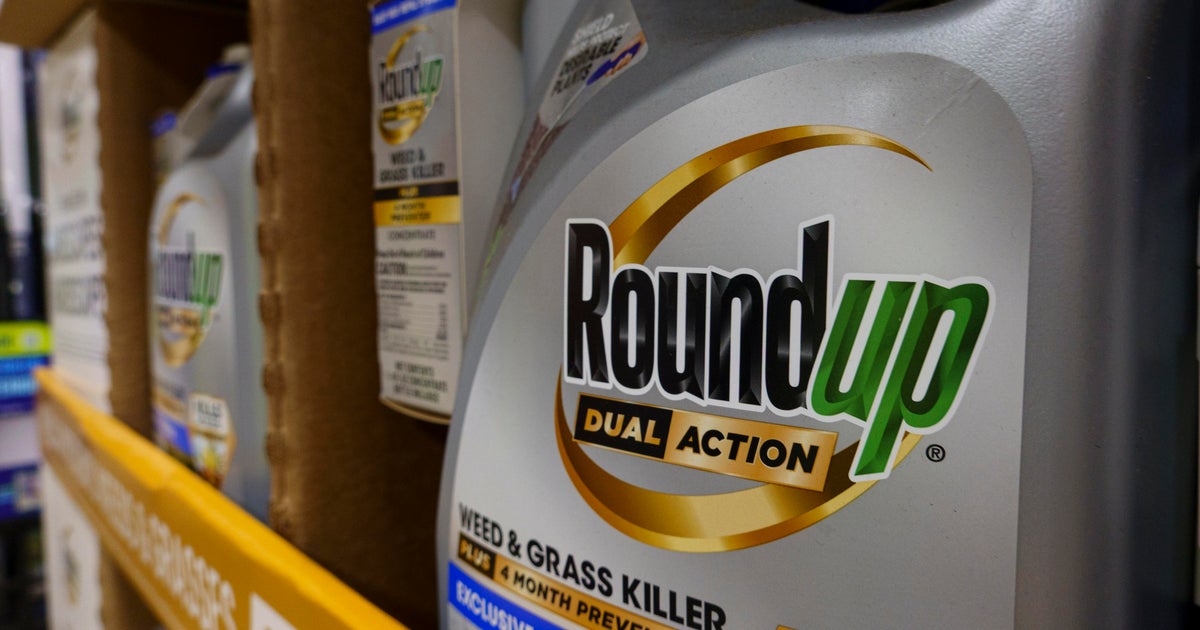
The Supreme Court ruled 7-2 that Monsanto cannot be held liable under state law for failing to warn about Roundup's alleged cancer risks, a decision expected to block thousands of lawsuits. Bayer said the ruling supports its effort to contain Roundup litigation and is still seeking approval of a $7.25 billion settlement that would resolve current and future claims. The case reinforces federal preemption under FIFRA and is a material legal overhang relief for Bayer and Monsanto.
This is less about a single product liability relief and more about restoring federal preemption as the dominant framework for agrochemical risk. That matters because it compresses the probability of future state-court surprise judgments, which have been the real overhang on Bayer’s equity story: not the ultimate merits of glyphosate science, but the persistence of large, plaintiff-friendly venue risk. In the near term, that should lower the implied litigation discount rate on Bayer and improve the odds that management can refinance or de-risk the Roundup tail on more favorable terms. The second-order effect is on settlement architecture. If the legal channel for label-based claims is materially narrowed, the value of the pending settlement rises because future claims become easier to ring-fence, but the bargaining power of plaintiffs’ counsel falls. That creates a path to a cleaner multi-year payment structure, which is equity-positive even if headline settlement dollars do not change, because it reduces the chance of another balance-sheet shock and allows the market to underwrite earnings with less legal hair. The contrarian risk is that this is not a full litigation extinction event. Cancer claims can migrate toward alternative theories, exposure-duration arguments, or non-label-based claims, and any adverse scientific or regulatory development would quickly reopen the trade on a months-to-years horizon. Also, the political overlay cuts both ways: federal support for pesticide clarity helps in court, but it can intensify activist pressure, especially if other health-policy narratives regain momentum. For HD, the direct read-through is modest but positive via retailer channel stability: a reduced litigation cloud supports ongoing availability of glyphosate-based products and lowers the odds of supply disruption or forced assortment changes. The bigger implication is for ag-input margins and category continuity rather than near-term top-line acceleration.
AI-powered research, real-time alerts, and portfolio analytics for institutional investors.
Request DemoOverall Sentiment
mildly positive
Sentiment Score
0.35
Ticker Sentiment
