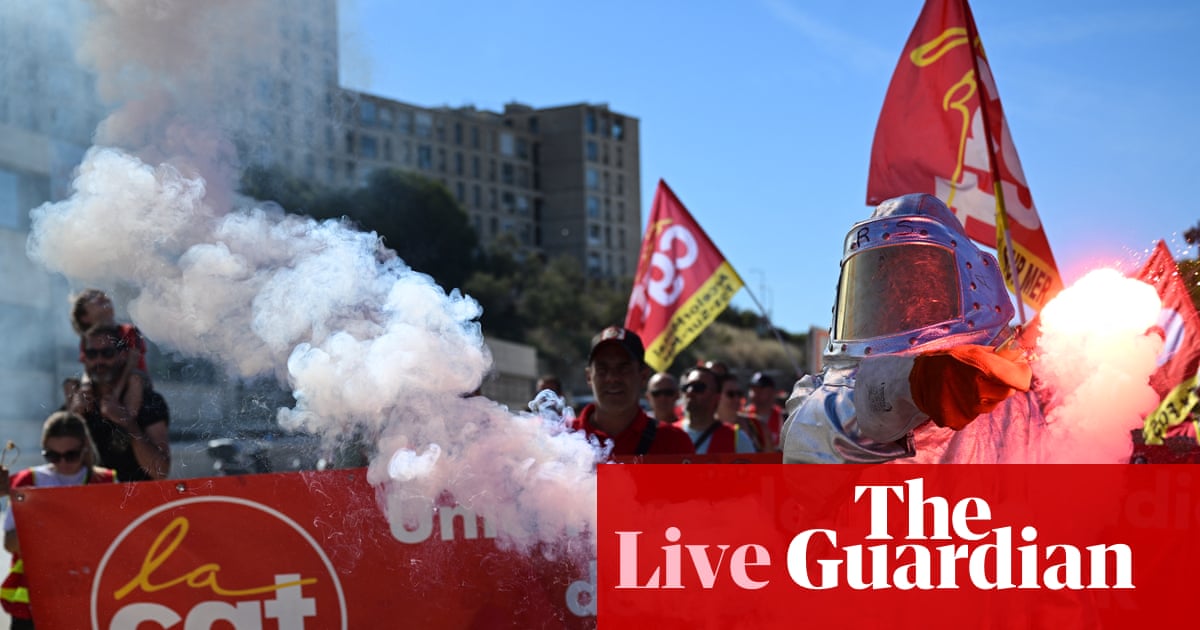
Widespread strikes in France are disrupting public services, while Poland's extended border closure with Belarus threatens €25-30 billion in EU-China rail trade. European industrial competitiveness is a growing concern, with German industry pushing for significant regulatory and energy cost reforms, as Hungary resists accelerating the Russian oil phase-out amidst ongoing EU sanction discussions. Geopolitically, an ally suggests Donald Trump will pursue a more aggressive economic strategy against Russia, emphasizing sanctions and tariffs, which could significantly reshape global trade and energy markets. Separately, the UK is negotiating entry into the EU's €150 billion defense loans scheme, indicating deeper defense cooperation and opportunities for the sector.
The European economic and geopolitical landscape is exhibiting significant signs of stress and realignment. Domestically, France is facing major economic disruption from widespread strikes, with an estimated 800,000 people protesting budget cuts, signaling potential political instability and a near-term drag on growth. This internal pressure is mirrored in Germany, where industry leaders are demanding substantial deregulation and relief from Europe's highest energy costs to maintain competitiveness against China. Further fracturing within the EU is evident as Hungary maintains its opposition to accelerating the phase-out of Russian oil, citing energy security and highlighting the difficulty in forming a unified policy front. On the geopolitical front, trade is under direct threat from Poland's extended border closure with Belarus, which jeopardizes EU-China rail trade valued at €25-30 billion annually. Concurrently, a potential shift in US foreign policy under Trump could introduce a "much more aggressive" economic war against Russia, involving secondary sanctions that would impact global energy markets and trade with nations like India and China. In contrast to these tensions, a strategic deepening of defense cooperation is occurring, with the UK negotiating entry into the EU's €150 billion defense loan scheme (SAFE) and Poland partnering with Ukraine on drone warfare, indicating a clear trend toward increased regional defense investment.
AI-powered research, real-time alerts, and portfolio analytics for institutional investors.
Request DemoOverall Sentiment
moderately negative
Sentiment Score
-0.35
Ticker Sentiment
