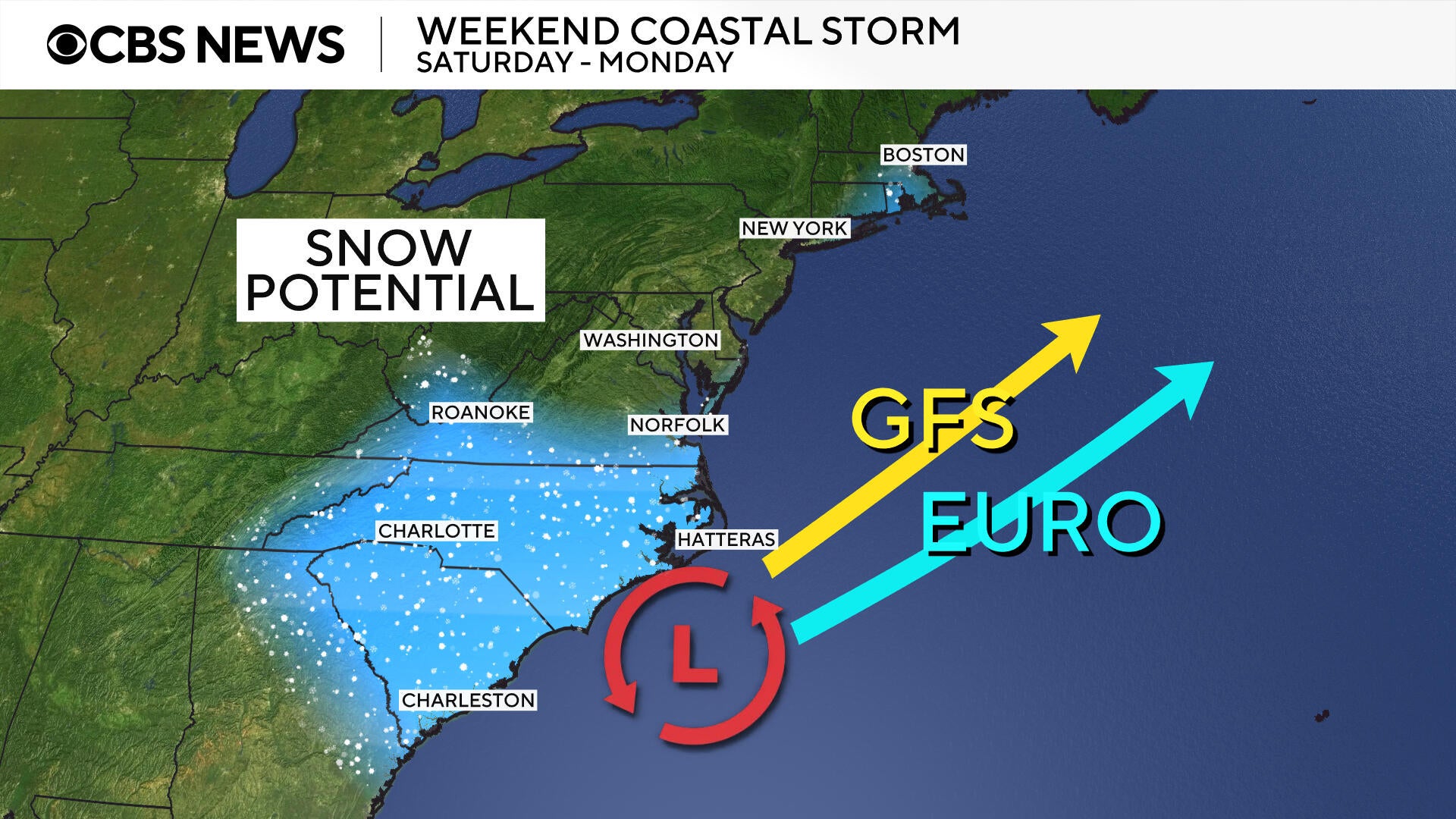
A potent Arctic air mass and a developing coastal low off the Carolinas threaten another weekend winter storm for the southern Mid‑Atlantic, Carolinas and Southern Appalachia, with forecasts of up to 16 inches of snow in some areas, hurricane‑force gusts (up to 65 mph warned in Newport, NC), coastal flooding and prolonged subfreezing temperatures. Record‑tying or record‑breaking lows are possible in major Eastern cities (LaGuardia 4°F, Newark 3°F, Pittsburgh −8°F, Buffalo −5°F), and forecasters say bombogenesis remains plausible depending on the storm track, increasing risks of extended power outages, travel shutdowns and elevated heating demand that could affect regional energy markets and logistics. Managers should monitor insurance, regional utilities, transportation names and short‑term energy positioning for potential economic disruption and volatility.
Market structure: Near-term winners are natural-gas and heating-oil exposures (producers, pipeline capacity sellers, refiners) and regulated utilities (NEE, DUK, SO) that recover fuel cost pass-throughs; losers include airlines (AAL, DAL, UAL), time-sensitive logistics (UPS, FDX) and regional retailers/ports facing distribution delays. Expect a 10–40% intramonth swing in front-month Henry Hub and localized power-forward spikes in Northeast/Carolinas; implied vol in energy and travel names should rise materially. Cross-asset: safe-haven Treasuries likely bid (yields down 5–25bps intraday on shock), USD may strengthen slightly, and short-dated equity vol (VIX) to spike.
Risk assessment: Tail risk of a bomb cyclone that intensifies rapidly (est. 5–15% conditional probability this storm cycle) could produce multi-day grid outages and >30% move in regional power prices and 20–50% moves in prompt NG. Timeline: immediate (0–7 days) travel/logistics disruption; short-term (1–8 weeks) commodity and utility cash-flow reprice; long-term (quarters) insurance loss recognition and capex for hardening. Hidden dependencies include LNG export schedule, pipeline constraints and storage draws; catalysts are model convergence (GFS/ECMWF agreement within 48–72 hrs), EIA storage report and NOAA bulletin changes.
Trade implications: Size trades for event risk windows: prefer short-dated, defined-risk instruments. Long prompt natural-gas exposure (Mar–Apr futures or UNG call-spreads) sized 1–3% notional; overweight regulated utilities 2–4% for 1–3 months; establish 30–45 day puts on US airlines (1–2% portfolio risk) to capture cancellation-driven downside. Pair trades: long NEE vs short unhedged merchant power producers; buy 2–5% allocation to short-dated Treasuries (TLT or 2y futures) as hedge.
Contrarian angles: Consensus underestimates pipeline/storage constraints — if storage < 5-year avg entering spring, NG upside is underpriced; conversely airline sell-off may be overdone if storm tracks offshore (20–40% chance) producing quick mean-reversion. Historical parallels (2014/2019 cold snaps) show 2–6 week commodity shocks that reverse as forecasts normalize; avoid one-way directional leverage until model consensus for >48 hrs. Monitor 7-day heating-degree-days >+15% vs seasonal and EIA weekly storage draw >5% unexpected as trade triggers.
AI-powered research, real-time alerts, and portfolio analytics for institutional investors.
Request DemoOverall Sentiment
moderately negative
Sentiment Score
-0.35
