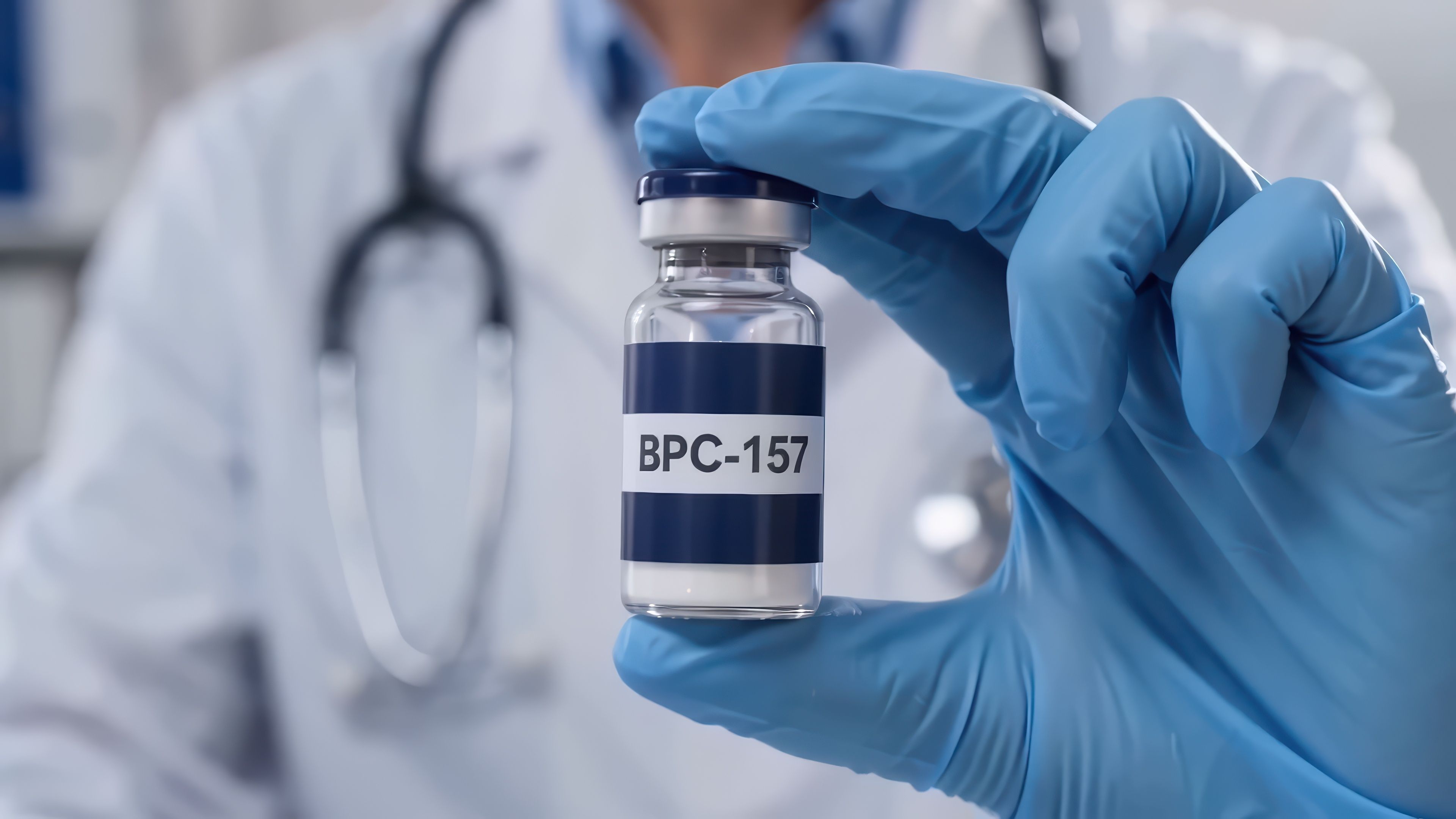
Oral peptide formulations may require ~2x higher dosing for smaller peptides and up to ~7x higher dosing for large peptides (e.g., GLP‑1 analogs) versus injectables, but optimized delivery (nanoscale liposomes) can approach comparable efficacy. Key risks are wide variability in bioavailability, formulation quality, and a growing market of unverified products—raising safety and regulatory concerns that matter to payers. Patient preference for needle‑free dosing and potential adherence gains support adoption, but near‑term commercial impact is limited until consistent cGMP manufacturing, third‑party testing, and clinical outcome data are established.
The short-run winners will be firms that control the credible, auditable gatekeepers between novel oral delivery concepts and payers — namely CDMOs with validated encapsulation platforms and commercial-grade analytics. Expect a structural margin transfer: customers will pay a 20–40% premium for partners that can guarantee batch-level potency, stability, and third-party traceability, concentrating value to a small subset of suppliers over the next 12–36 months.
On the reimbursement and regulatory axis, payers will move from clinical-effectiveness reviews to supply-chain audits as the lever to manage off-label and boutique peptide use. That creates a near-term catalyst window (6–18 months) for companies that can bundle manufacturing, release testing, and real‑world adherence data into a single contracting offering — and conversely raises exit barriers for fragmented compounding networks.
Behaviorally, needle aversion and adherence economics will lift demand but will not instantly cannibalize high-efficacy, specialty injectables; the market is likely to bifurcate into (a) high-efficacy, higher-cost injectables and (b) lower-margin, higher-adherence oral regimens. This bifurcation favors vertically integrated lab/CDMO players and analytics providers, while creating opportunity for digital care platforms to monetize maintenance regimens and diagnostics that monitor rebound/weight/muscle loss over 3–12 month cycles.
AI-powered research, real-time alerts, and portfolio analytics for institutional investors.
Overall Sentiment
mildly positive
Sentiment Score
0.15
