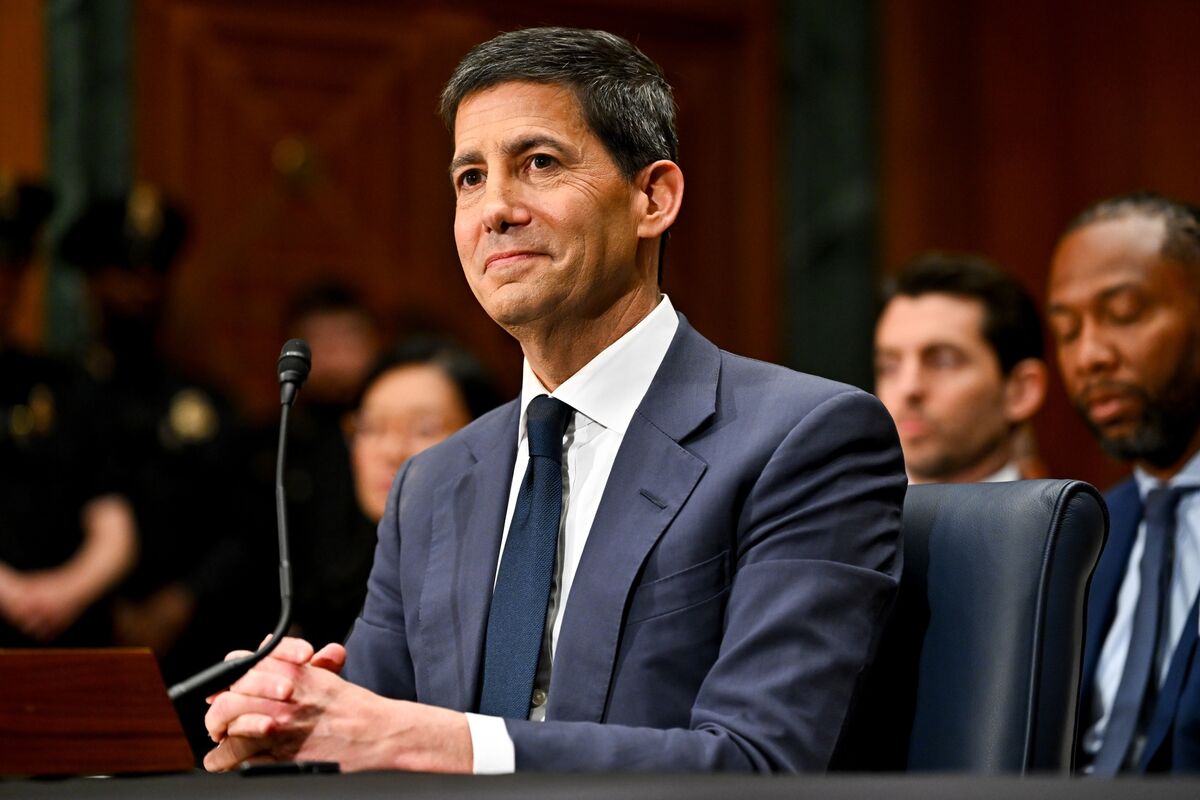
Kevin Warsh will be sworn in as Federal Reserve chair on Friday at the White House, succeeding Jerome Powell after his formal term ended last week. The appointment marks a change at the top of the Fed, which can influence interest-rate expectations and broader monetary policy. The article is factual and contains no policy specifics, so the immediate sentiment is neutral, though the market impact is potentially significant.
This is less about a single personnel change than about a regime test for the front end of the curve. Markets should treat the appointment as an increase in policy uncertainty premium: the longer-dated inflation break-evens may stay anchored, but 2y/5y rates, bank funding assumptions, and rate-sensitive equity multiples are where the repricing shows up first. The immediate beneficiaries are assets that have been discounting a slower-for-longer easing path; the losers are duration-heavy balance sheets that need clean visibility on Fed reaction function.
The second-order effect is on governance credibility. Any perception that the central bank is becoming more politically coupled will steepen the term premium even if headline inflation is stable, because investors will demand compensation for future policy volatility. That creates an unusual setup where equities can initially rally on the prospect of easier near-term financial conditions while cyclically exposed and inflation-sensitive sectors underperform later if the market starts pricing a higher probability of policy errors.
The key catalyst window is the first 2-8 weeks of messaging after the swearing-in: the market will trade the tone of staffing, committee composition, and any hint of an altered framework more than the appointment itself. The tail risk is a disorderly move in real rates if investors conclude the Fed’s reaction function is being loosened before inflation is fully contained; that would hit long-duration tech, REITs, and levered small caps. Contrarian take: the consensus may be overestimating the immediate policy pivot — personnel changes often take longer to transmit than expected, so the first move may be a fadeable knee-jerk rather than a durable trend.
AI-powered research, real-time alerts, and portfolio analytics for institutional investors.
Request DemoOverall Sentiment
neutral
Sentiment Score
0.00
