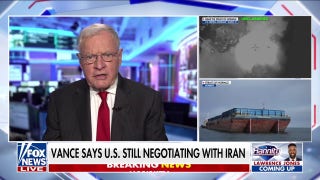
The U.S. began enforcing a blockade on Iranian ports in the Strait of Hormuz at 10 a.m. ET Monday, a move China called "dangerous and irresponsible" as tensions escalate. The strait handles roughly 20 million barrels of oil per day and about one-fifth of global LNG, so any disruption poses a major shock risk to energy and shipping markets. Iran has condemned the move as "piracy" and warned it may respond with force, raising the odds of a broader regional confrontation.
The immediate market impulse is not just higher oil; it is a volatility regime shift. A Hormuz blockage converts a geopolitical headline into a physical delivery risk, which tends to steepen front-month energy curves, widen shipping insurance, and hit any asset that relies on predictable Gulf transit more than it hits long-duration upstream cash flows. The first-order winner is integrated and shale energy cash generation, but the second-order winner is actually any company with pricing power over freight, storage, or emergency logistics; the loser set is broader and includes refining systems outside the Gulf that need imported feedstock and cannot pass through costs instantly.
The more interesting edge is that this is a test of market plumbing, not just commodity pricing. Even a short-lived disruption can force inventory hoarding, charter rates to reprice within days, and working-capital stress across commodity traders and airlines before barrels are physically lost. If the blockade persists beyond a week, expect equity markets to start discounting margin compression in chemicals, transports, and industrials faster than consensus models update, because the lagged pain comes through basis blowouts and not just headline crude.
Consensus is likely underestimating how quickly diplomatic off-ramps can reverse the trade. A ceasefire-related de-escalation would collapse the risk premium quickly, but the asymmetry is still favorable for options because tail risk is dominated by escalation, not normalization; the market usually pays up for a few days of interruption but underprices the chance of retaliatory incidents that extend the window to multiple weeks. The contrarian view is that a blockade can also force buyers to diversify sourcing and accelerate strategic inventory builds, which means some of the price spike benefits may persist longer for storage, midstream, and non-Gulf exporters even if headline tensions ease.
AI-powered research, real-time alerts, and portfolio analytics for institutional investors.
Request TrialOverall Sentiment
strongly negative
Sentiment Score
-0.70
