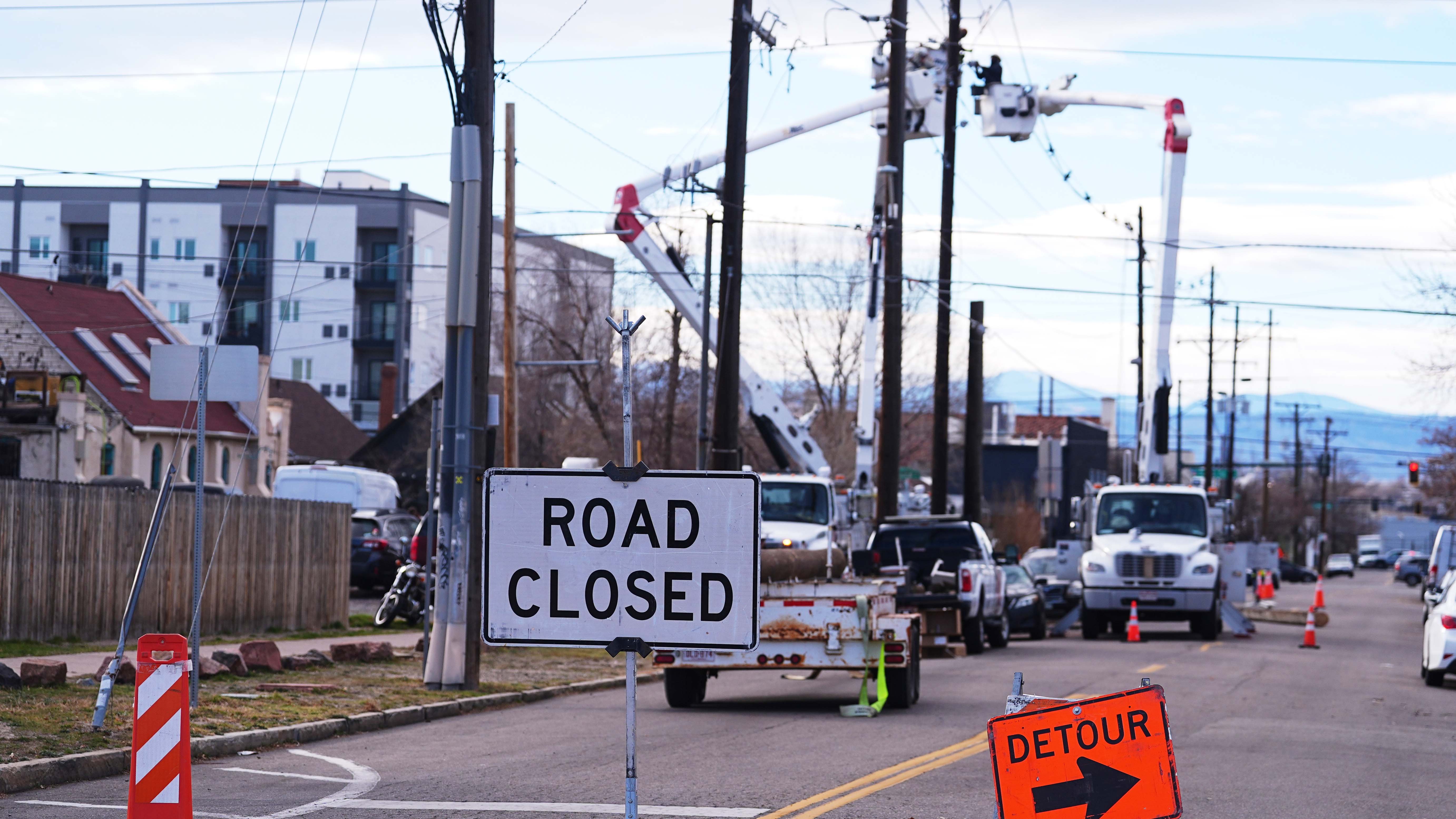
A rare 'Particularly Dangerous Situation' fire-weather warning covers Colorado and Wyoming Front Range as very dry air, record warm temps in the 60s–low 70s, humidity as low as ~8%, and extreme winds (gusts to 113 mph observed; sustained >45 mph) create conditions for extremely rapid wildfire growth. Utilities (Xcel) pre-emptively cut power and more than 100,000 outages were reported in higher elevations, raising short-term operational, outage and insurer loss risks and potential localized impacts to power demand and regional real estate exposure. Managers should monitor utility operations, insurer exposure in Boulder/Front Range counties, and near-term fuel/energy price and outage data for tradeable impacts.
Market Structure: Acute fire-weather events create a winner set (grid- and wildfire-mitigation contractors, hardening equipment vendors, specialty insurers/reinsurers that can reprice) and loser set (local utilities facing outages/PSPS, property insurers, homebuilders/REITs in affected counties). Mechanism: utilities (e.g., XEL) incur incremental O&M and potential legal/regulatory costs near-term while outsourcing capex to contractors (e.g., Quanta/PWR) increases their revenue and pricing power. Supply/demand: expect near-term spike in demand for diesel, line-repair crews and vegetation-management services for 1–6 months; insurance claims drive reinsurance price resets over 6–18 months.
Risk Assessment: Tail risks include a Marshall-level or larger conflagration causing insured losses in the high hundreds of millions to low billions, large-scale litigation/regulatory rate freezes, or expanded mandatory PSPS programs that lower utility earnings. Time horizons: immediate (days) for outage-driven stock volatility and hedging needs, 4–12 weeks for insurance loss accruals and claims, 3–18 months for utility rate cases and capex programs. Hidden dependencies: mortgage/municipal credit stress in high-loss counties, reinsurance repricing affecting national insurers, and political pressure accelerating grid capex mandates.
Trade Implications: Tactical trades: hedge utility exposure immediately (1–4 weeks) with options; establish selective 2–3% long exposure to infrastructure contractors over 3–12 months to capture grid-hardening capex; underweight local-exposed residential REITs/homebuilders and insurance names with concentrated wildfire exposure for 3–12 months. Options/volatility: buy 3-month put spreads on utilities to cap cost and buy 6–12 month call spreads on contractors to capture structural capex. Entry/exit: implement hedges now; scale contractor longs over 3 months; reassess after 30–60 days of loss reports.
Contrarian Angles: Consensus may over-penalize utilities like XEL despite likely regulatory accommodation (rate base add-backs) over 6–18 months — so aggressive, large-cap shorting is risky. Markets may underprice durable secular upside for specialist contractors and mitigation-tech vendors as regulators accelerate spending; a 20–35% outperformance vs. utilities is plausible in 6–12 months. Historical parallel: post-2017 California wildfire cycle saw outsized contractor revenue growth and eventual utility rate-case pass-throughs within 12–24 months. Unintended consequence: rapid contractor revenue recognition can trigger labor/supply inflation, compressing margins after 12–24 months.
AI-powered research, real-time alerts, and portfolio analytics for institutional investors.
Request DemoOverall Sentiment
moderately negative
Sentiment Score
-0.45
Ticker Sentiment
