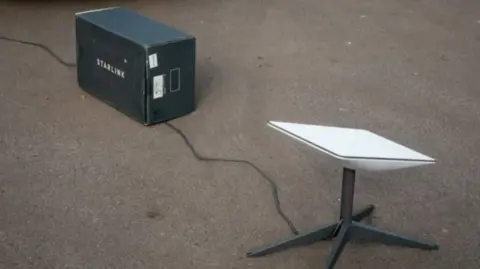
Starlink (SpaceX) is reported to have waived subscription fees for users inside Iran following a nationwide internet blackout amid a violent government crackdown; human rights groups say at least 2,400 protesters and about 150 security personnel have been killed. Roughly 50,000 people are estimated to be using Starlink despite it being illegal in Iran and carrying up to two years' jail time, while authorities have attempted jamming, physical confiscations and seized large consignments of kits. For investors, the situation highlights rising operational, legal and reputational risk for satellite internet providers operating in contested jurisdictions, potential short-term demand spikes in crisis zones, and increased geopolitical and regulatory scrutiny that could affect long-term market access and compliance costs.
Market structure: Short-term winners are providers of off-grid and resilient communications (Iridium - IRDM, specialist LEO hardware suppliers) and defense primes supplying anti-jam/joint-communications (LHX, LMT); losers are local Iranian ISPs, regional telco revenues and any EM assets with political exposure. Demand for independent connectivity is spiking from ~50k known Starlink users to potentially +50k–200k incremental kits if price waived or subsidised, but supply is capacity- and export-constrained with lead times of months, preserving pricing power for scarce terminals.
Risk assessment: Tail risks include rapid regional escalation (low-probability, high-impact) that pushes oil >10% and global risk-off, and regulatory action (export controls/OFAC sanctions) that could strand commercial satellite suppliers; timeline: immediate (days) for FX/credit volatility, weeks for hardware seizures and jamming, and quarters for structural sanctions. Hidden dependency: ground terminals use Western chips and cloud services—sanctions or supplier refusals are second-order operational risks that can destroy revenue streams.
Trade implications: Tactical trades favor small, concentrated exposures: long specialist LEO/satellite names (IRDM) and selected defense primes (LHX/LMT) for 3–12 months, paired with short/hedge of EM beta (EEM) and buys of gold/oil options if escalation occurs. Volatility suggests option-defined risk: buy call spreads on winners and buy puts on EM equities (3-month) to cap downside while retaining upside. Entry should be staged; trim at 10–20% realized move or on hard regulatory news.
Contrarian angles: The market may overrate durable revenue upside for commercial satellite vendors—hardware confiscation and aggressive jamming imply revenue fleeting and concentrated in crisis windows, not recurring ARPU. Historical parallels (Arab Spring) show tech-enabled flows drive transitory headlines and asset repricing; longer-term winners are defense and cyber names that capture durable budget reallocation, not necessarily pure-play commercial satellite OEMs.
AI-powered research, real-time alerts, and portfolio analytics for institutional investors.
Request DemoOverall Sentiment
moderately negative
Sentiment Score
-0.45
