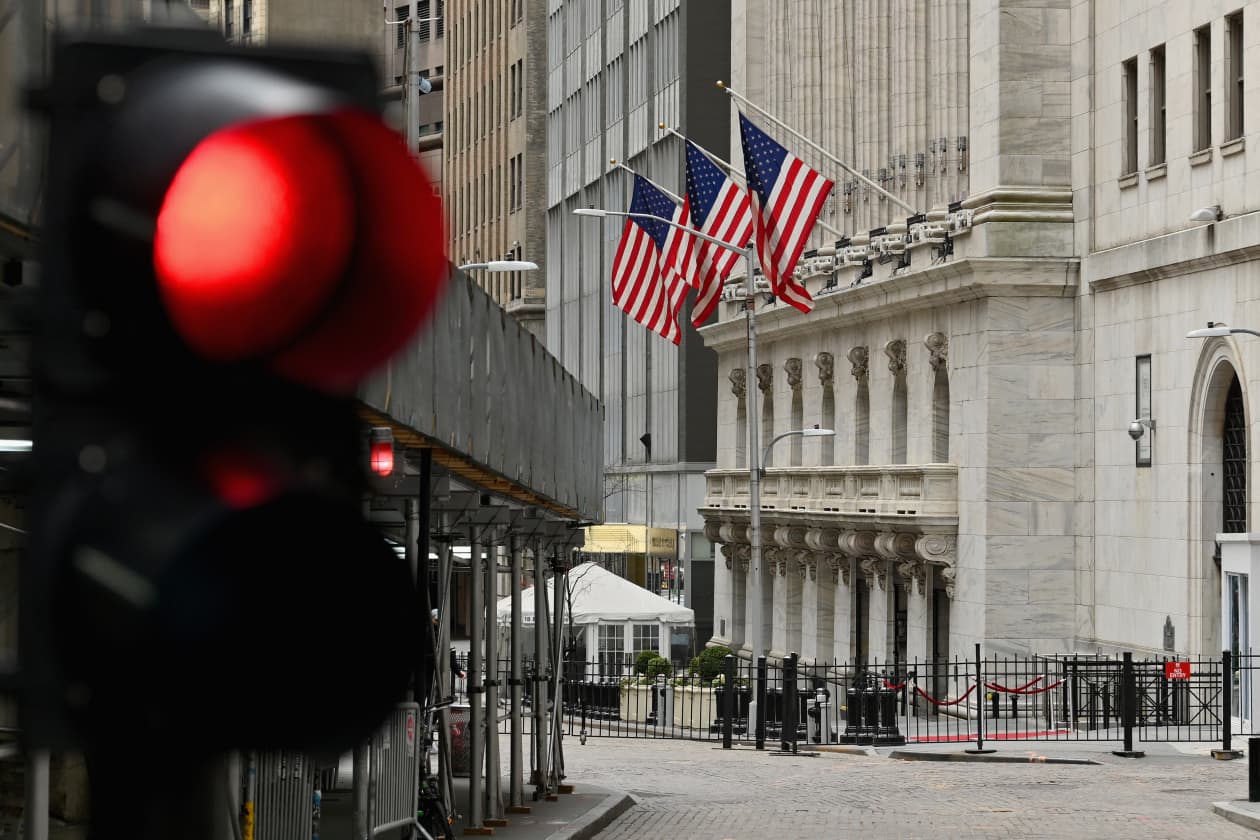
The S&P 500 closed lower after an intraday high, reflecting an extremely narrow rally propelled solely by megacap technology stocks, notably Nvidia and AMD, following positive developments in China's AI market access. Despite the tech sector's 1.3% gain, only 48 of the S&P 500's 503 constituents finished positive, signaling significant market breadth weakness. This broader market fragility, evidenced by declines in cyclical sectors, was further pressured by rising Treasury yields—with the 10-year reaching 4.487% and the 30-year 5.017%—amid persistent inflation concerns, masking underlying market vulnerability beyond the concentrated tech strength.
The S&P 500's reversal to a 0.4% loss after hitting an intraday high demonstrates a market with dangerously narrow breadth, masking significant underlying weakness. The rally was almost exclusively confined to the information-technology sector, which rose 1.3% and was the only one of the index's 11 sectors to end in positive territory. This concentration was fueled by specific news allowing Nvidia and AMD to sell AI chips in China, causing their stocks to surge 4% and 6.4% respectively. However, the fragility of the broader market is underscored by the fact that only 48 of the S&P 500's 503 constituents closed higher, a historically bearish signal of weak participation. According to BTIG analysis, such extreme narrowness has historically preceded market declines. This weakness was compounded by macroeconomic pressures from rising Treasury yields, with the 10-year yield climbing to 4.487%, which weighed heavily on cyclical sectors like materials (-2.1%) and real estate (-1.3%). While the Nasdaq Composite achieved a record close, the broader market's foundation appears unstable and highly dependent on a few megacap names.
AI-powered research, real-time alerts, and portfolio analytics for institutional investors.
Overall Sentiment
moderately negative
Sentiment Score
-0.50
Ticker Sentiment
