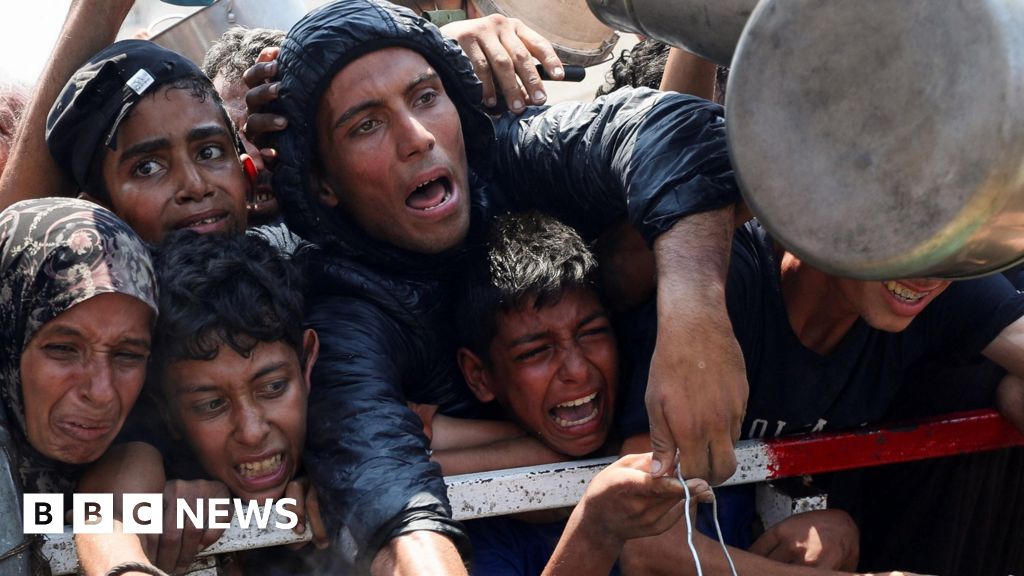
Israel's military has initiated limited humanitarian aid airdrops into Gaza, citing coordination with international organizations, in response to growing global pressure over the severe hunger crisis. However, UN and aid agencies, including Unrwa, have widely criticized these efforts as inefficient, insufficient, and potentially hazardous, advocating instead for the lifting of the siege and the opening of land corridors for aid delivery amidst escalating reports of malnutrition-related deaths.
Israel's military has initiated a limited airdrop of humanitarian aid into Gaza, a move following intense international pressure over a deepening hunger crisis. This action, involving seven packages of food staples, is presented by the Israel Defense Forces (IDF) as a coordinated effort to improve the humanitarian response. However, this measure is starkly contrasted by the assessment from key international bodies. The UN and its Palestinian refugee agency, Unrwa, have condemned the airdrops as "expensive, inefficient," and inadequate, highlighting that 6,000 truckloads of aid are currently staged in Jordan and Egypt awaiting land access. The core of the issue remains the heavily restricted entry of aid, which the World Health Organization's chief has termed a "man-made mass starvation." Reports from the Hamas-run health ministry cite 125 deaths from malnutrition in recent days, including 85 children, underscoring the severity of the crisis. While Israel denies deliberately starving Gaza and cites the need to prevent aid from reaching Hamas, the consensus among aid agencies is that only the lifting of the siege and the opening of land corridors can meaningfully address the needs of the two million residents.
AI-powered research, real-time alerts, and portfolio analytics for institutional investors.
Request DemoOverall Sentiment
strongly negative
Sentiment Score
-0.70
