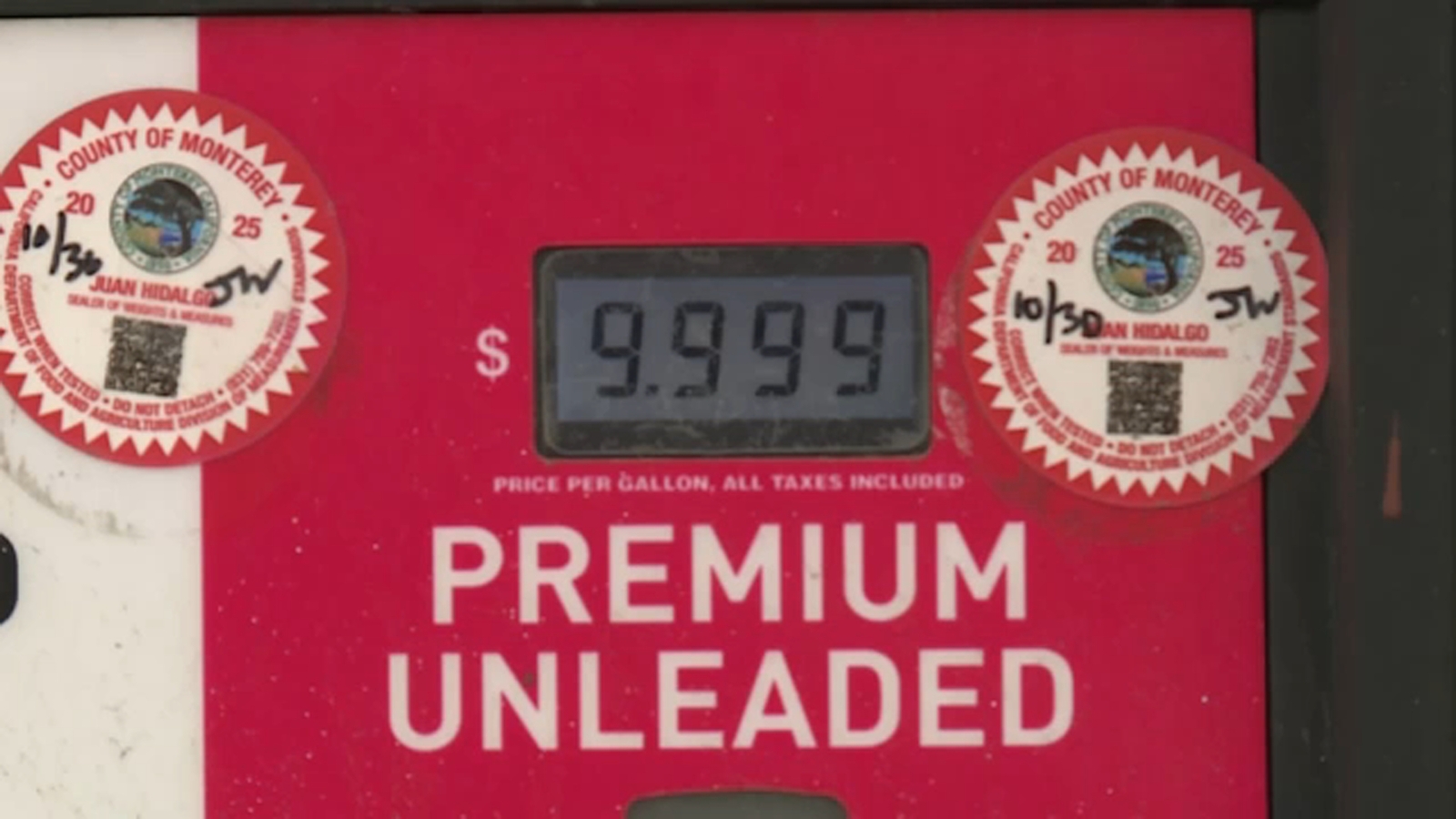
Premium gasoline is being sold for $9.99/gal at a Big Sur station due to generator-driven operations; Los Angeles County prices top $6/gal while the national average is $4.00 and California average is $5.89 (AAA). Owner cites on-site power generation and limited supply/digit constraints as drivers of the extreme local price, leading customers to buy minimal fuel and highlighting localized supply/operating cost pressures rather than a broad market shock.
Remote retail fuel price anomalies are a margin story, not a crude story: when sites face persistent local cost shocks (transport bottlenecks, on-site generation, labor scarcity) retail spreads can widen materially versus metropolitan averages for months at a time. That creates a short, high-margin cash cycle for regional wholesalers and transport providers who can service those sites, while simultaneously raising operating leverage for genset and maintenance vendors that service off-grid pumps.
Second-order demand effects matter: tourists and commuters facing episodic price spikes shift behavior — shorter fill-ups, route substitution, and higher demand for destination businesses that advertise lower fuel costs — creating persistent micro-arbitrages along corridors. Over time this nudges capital toward fixed infrastructure alternatives (EV chargers at lodges, on-site solar+storage to avoid diesel) and increases attrition among mom-and-pop sites that cannot finance conversion, concentrating retail volumes to better-capitalized players.
Key risk paths are regulatory and logistical: a short-term state policy (temporary price caps, diesel relief deliveries) or a restoration of grid power can compress spreads within days-weeks, while broader oil-price moves or recession will affect margins on a 3–12 month horizon. Conversely, sustained truck-driver shortages or winter distillate demand spikes would extend the spread environment into the back half of the year, keeping downstream service providers in a sweet spot.
The consensus framing as “inflation signal” is overstated — this is a granular, supply-chain-driven reallocation of margin and capex rather than a uniform consumer-price shock. If the price differentials persist, expect accelerated investment in localized alternatives (storage, chargers, microgrids) that create multi-year revenue streams for equipment and service providers rather than crude exporters or large refiners alone.
AI-powered research, real-time alerts, and portfolio analytics for institutional investors.
Request DemoOverall Sentiment
mildly negative
Sentiment Score
-0.25
