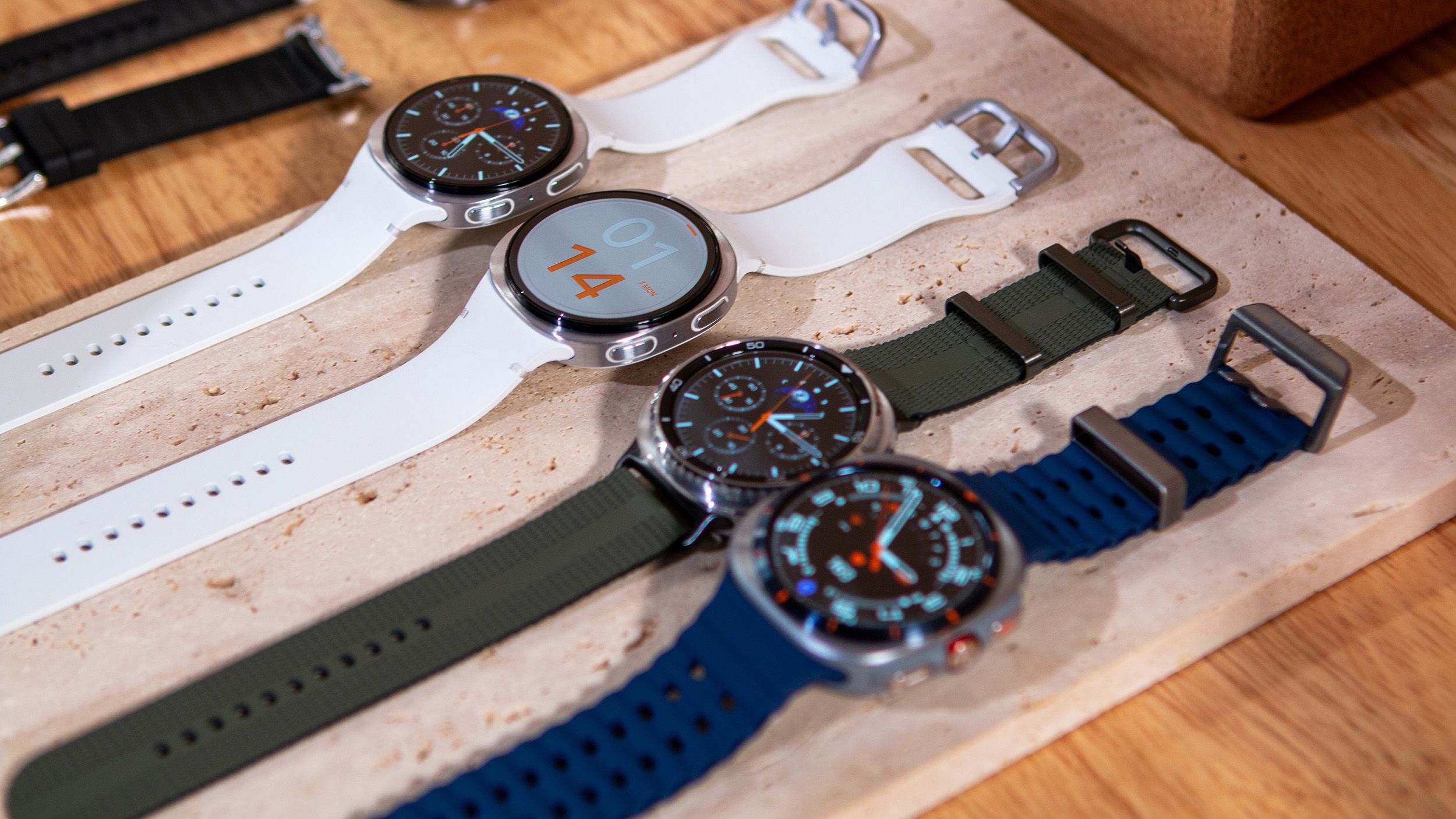
Wear OS makers made tangible software and hardware progress in 2025: Google’s Pixel Watch 4 gained dual-band GPS, Gemini-driven on-watch AI features and benefits from Wear OS 6’s health/fitness additions, while Qualcomm shipped the incremental Snapdragon W5 Gen 2 with satellite capabilities. Samsung pushed a major Watch 8 redesign and One UI 8 updates but reported a notable sales dip (Omnia: ~2% market-share loss; Counterpoint: ~5% quarter decline), and smaller OEMs (Mobvoi, Fossil) ceded ground, underscoring ecosystem consolidation and profitability challenges. Continued delays to Wear OS 5 updates at OnePlus and mixed update support for older Pixel hardware indicate software support and long-term product economics will drive investor focus more than near-term device cycles.
Market structure: The headline is winner-take-most consolidation — Google (GOOGL/GOOG) and Samsung are increasing product and software differentiation (AI + health features), squeezing smaller OEMs (Fossil/FOSL, Mobvoi) out of profitable Wear OS tiers. Expect premium ASPs to hold or rise ~5-10% for flagship models as AI/health features become paywalled or subscription-enabled; Qualcomm (QCOM) captures semiconductor content growth but with modest per-unit ASP upside given W5 Gen 2’s incremental gains.
Risk assessment: Tail risks include regulatory scrutiny of health-data monetization (privacy/FTC/European GDPR) and a Chinese competitor (Huawei) accelerating share gains — either could remove 10-20% of projected service revenue upside in 12-24 months. Immediate (days-weeks): stock moves around product/firmware news; short-term (3-9 months): update rollouts and Q4 results; long-term (12-36 months): platform consolidation drives margin and services revenue concentration.
Trade implications: Direct plays — go long GOOGL for AI+wearables ecosystem and QCOM for chip content, while short/selectively avoiding legacy watchmakers (FOSL). Use pair trades (long GOOGL, short FOSL) to express consolidation; implement options (buy 12–18 month LEAP calls on GOOGL 10–15% OTM or buy QCOM spreads) to limit cash outlay and exploit expected volatility around CES 2026 and Google’s Fitbit hardware in H1 2026.
Contrarian angles: The market underprices services monetization — if Google converts 5–10% of Pixel/Watch users to paid health tiers, incremental margin contribution could be +$0.5–$1.5B annually by 2027, supporting upside >20% for GOOGL. Conversely, the reaction to Fossil/Mobvoi exits may be overdone; niche specialists (GRMN) could pick up churn — consider small tactical exposure to Garmin if valuation dislocates after OEM exits.
AI-powered research, real-time alerts, and portfolio analytics for institutional investors.
Request DemoOverall Sentiment
mixed
Sentiment Score
0.05
Ticker Sentiment
