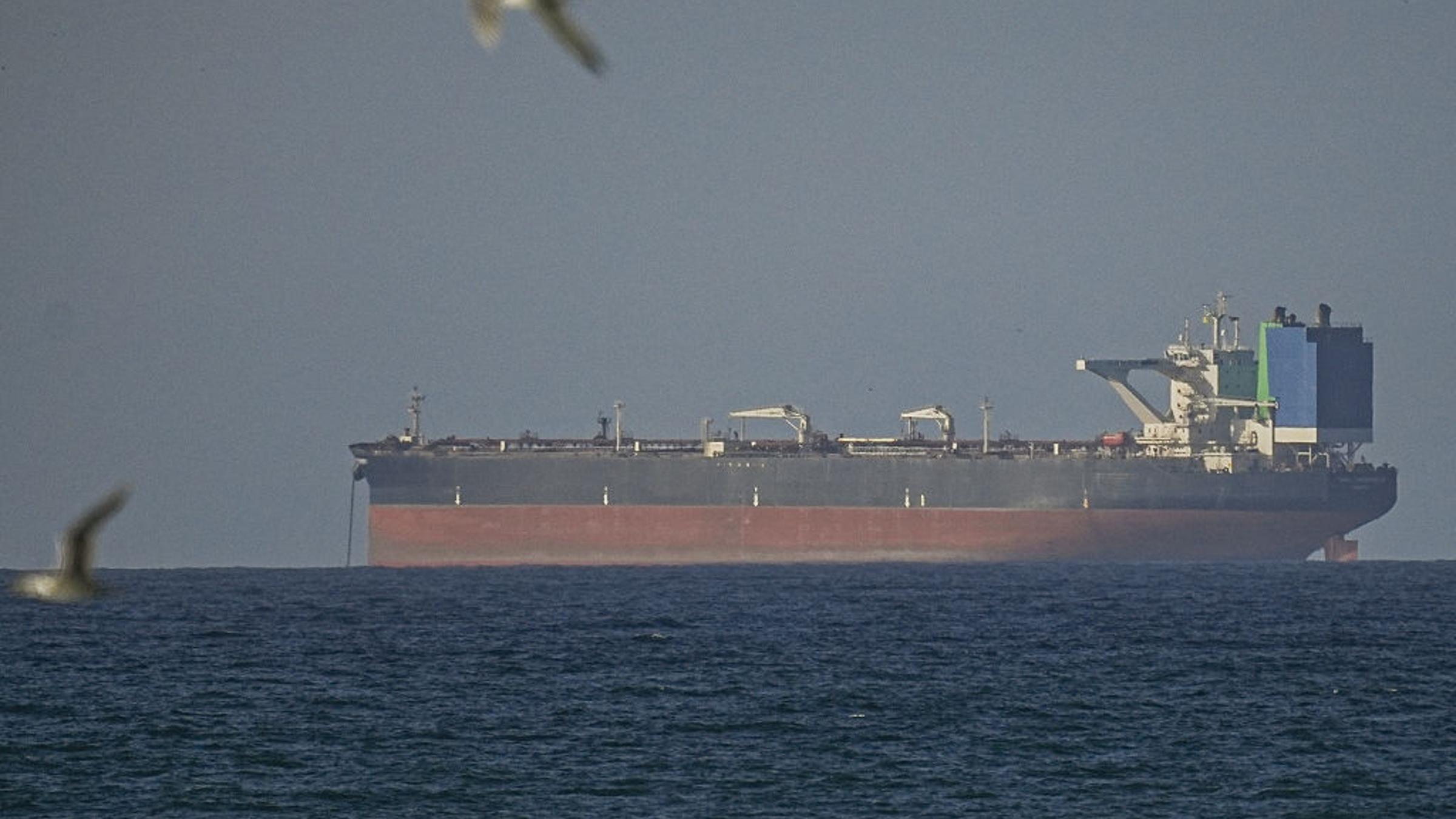
The U.S. began clearing mines and setting conditions to reopen the Strait of Hormuz, with CENTCOM stating two warships transited the strait as part of the operation. The move comes amid active U.S.-Iran negotiations in Pakistan and raises immediate implications for global oil flows, as roughly one-fifth of maritime oil tankers pass through the corridor. The article also notes continuing war casualties and unresolved demands on sanctions relief, uranium enrichment, and regional security.
The market is still underpricing the distinction between a temporary maritime scare and a durable supply shock. If the Strait actually reopens, the first-order relief trade is obvious, but the second-order beneficiary is not oil producers — it is Asia ex-Japan freight, chemical, airline, and industrial margins that have been forced to hedge against a higher war-risk premium and reroute assumptions. The more important signal is that Washington is now treating sea-lane access as an enforceable military objective, which lowers the odds that Iran can sustain a long blockade without rapidly escalating into a direct U.S. response.
That creates a very asymmetric setup in energy: the front end can gap lower on any credible de-escalation headline, but the back end of the curve should remain sticky because inventories, ship-insurance, and rerouting frictions do not normalize instantly. The hardest hit assets are tanker rates and names levered to disruption economics; the biggest hidden winner is Gulf exporters outside the choke point, because a reopened Strait restores volume while leaving geopolitical risk premiums partially embedded. Defense spending also gets a structural bid: even if the conflict cools, the need for mine-clearing, escort, ISR, and munitions replenishment should persist for quarters.
The contrarian risk is that the peace process itself becomes the catalyst for a bigger move if talks fail. A failed negotiation raises the probability of targeted maritime incidents over the next 1-3 weeks, while a partial deal may still leave sanctions and enforcement unresolved, meaning the market could misread "reopening" as durable when it is only operationally temporary. Domestic politics are an additional volatility amplifier: any perception of weakness on Iran or the Strait can force harsher U.S. rhetoric and faster military action, shortening the reaction time for risk assets.
The cleanest trade expression is to fade disruption winners into any de-escalation bounce and own the infrastructure/defense suppliers that benefit regardless of the outcome. The risk/reward is best in pairs, because headline volatility will be violent and directionally noisy, but the relative winners and losers should be easier to hold through the noise.
AI-powered research, real-time alerts, and portfolio analytics for institutional investors.
Request DemoOverall Sentiment
strongly negative
Sentiment Score
-0.55
Ticker Sentiment
