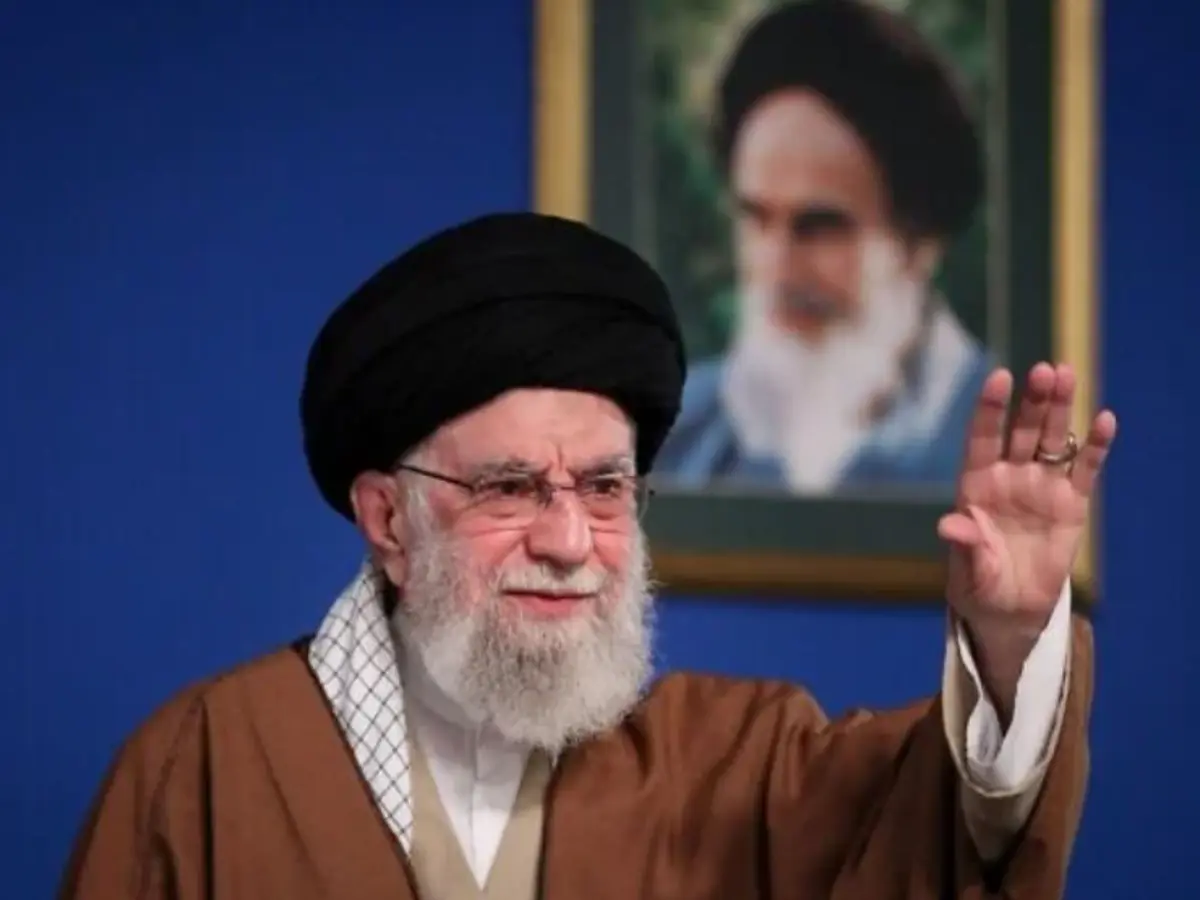
Mass protests in Iran since Dec. 28 followed a collapse of the rial to roughly 1.45 million per USD in December 2025, with consumer inflation sharply higher (food +72%, medical goods +50%) and a proposed 62% tax increase in the 2026 budget; at least 12 fatalities have been reported. Intelligence reports claim Supreme Leader Ayatollah Khamenei has contingency plans to flee Tehran to Moscow with up to 20 aides, while U.S. rhetoric toward Tehran has escalated alongside claims of a U.S. operation in Venezuela. The combination of acute domestic fiscal stress, runaway inflation and elevated geopolitical risk points to higher FX and sovereign-risk volatility for Iran and potential spillovers to regional assets and energy-related risk premia.
Market structure: Geopolitical stress in Iran is a risk-off shock that directly benefits large liquid energy and defense names while hurting EM assets, travel, and regional banks. A disrupted Strait of Hormuz or targeted infrastructure attacks could threaten ~3–5 mb/d of seaborne oil flows, handing pricing power to OPEC+ producers and pushing Brent/WTI impulsively $5–$20/bbl depending on duration. Cross-asset: expect immediate gold (GLD) inflows, USD safe-haven strength, EM FX weakness and a short-term Treasury rally (yields down) until inflation signaling forces a Fed response.
Risk assessment: Tail risks include a broader US–Iran kinetic conflict, cyberattacks on global energy grids, or state collapse in Iran — low probability (estimate 5–15%) but high impact (oil +$20+/bbl; EM sovereign spreads +300–500bps). Timeline: immediate (days) volatility spikes; short-term (weeks–months) EM spread widening and commodity repricing; long-term (12–36 months) potential re-routing of supply chains and deeper Iran–Russia ties. Hidden dependencies: insurance premiums for shipping, naval chokepoint military postures, and Fed policy reaction to imported inflation are second-order amplifiers.
Trade implications: Tactical plays should be size-constrained and time-boxed. Favor liquid longs in XOM/CVX and short-duration Brent exposure (USO call spreads) for 3–6 month windows; hedge with long GLD and short EMB/EEM to capture EM de-risking. Use options (3-month call spreads on XOM/XLE; 1–3 month put spreads on EEM/EMB) to express directional views while limiting tail risk.
Contrarian angles: The market often overshoots on headline geopolitical risk — past Iran flare-ups produced sharp but short-lived oil spikes that mean-reverted in 6–12 weeks. If protests force internal regime change without external escalation, oil could fall rapidly and EM assets rebound; avoid levering long-duration oil-service or small-cap energy names priced for prolonged disruption. Calibrate exits: trim energy/defense after +30% moves or if Brent rallies >$10 and EMB tightens by 50bps.
AI-powered research, real-time alerts, and portfolio analytics for institutional investors.
Request DemoOverall Sentiment
strongly negative
Sentiment Score
-0.60
