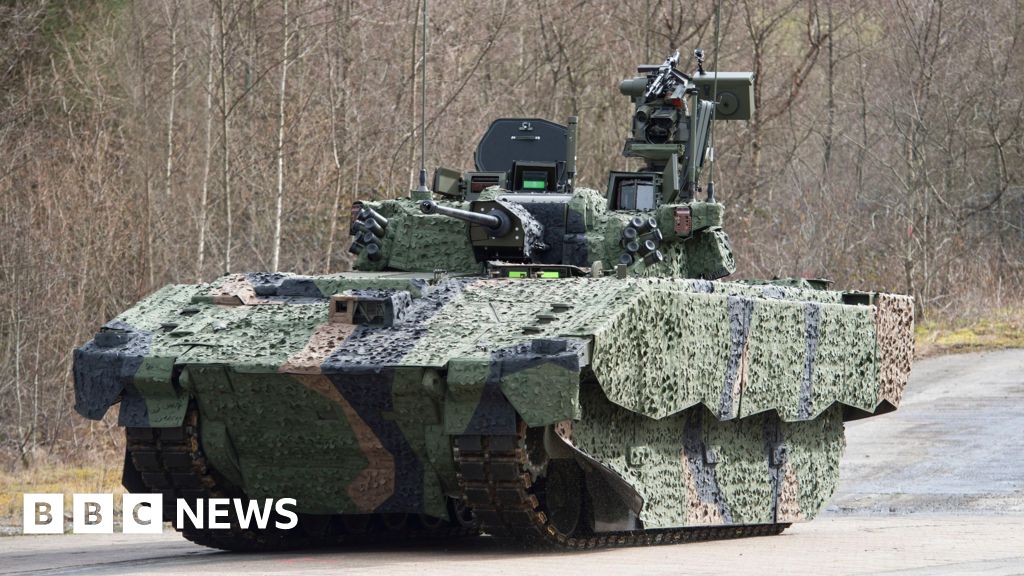
Defence minister Luke Pollard said he was "disgusted" after 30 soldiers became ill from noise and vibration during an exercise with Ajax armoured vehicles, prompting the Army to pause their use and launching three investigations; the £6.3bn programme—originally due to enter service in 2017—has delivered 322 of a planned 589 vehicles and remains years from full operating capability. The incidents, plus reports of disparaging social‑media posts by a General Dynamics employee, have escalated political scrutiny and left ministers warning that "all options remain on the table," creating heightened remediation, contractual and reputational risk for GDLS UK as it cooperates with Defence Accident Investigation Branch and Army Safety probes. For investors, the episode raises execution and legal risk to the programme, potential costs or liability disputes, and the prospect of production disruption or job impacts in South Wales if the vehicle is deemed unsafe or the contract is restructured or cancelled.
Defence minister Luke Pollard said he was "disgusted" after 30 soldiers became ill from noise and vibration during an exercise using Ajax armoured vehicles and the Army paused their use. The Ajax programme is a £6.3bn contract ordered in 2014 to deliver 589 vehicles, with 322 accepted into service so far and first delivery originally scheduled for 2017; full operating capacity is not expected for another four years. Reports describe vomiting and violent shaking among personnel, prompting immediate operational and safety concerns.
Three investigations have been launched — a ministerial review plus probes by the Defence Accident Investigation Branch and the Army Safety Investigation Team — after Pollard received written assurances that Ajax was safe. General Dynamics has apologised for social‑media comments by an employee, said it is cooperating and pointed to 42,000 km of testing without such injuries while noting not all vehicles on the exercise caused harm. A 2023 review flagged "systemic and institutional" failures and optimism bias, underlining that prior assurances may have been flawed.
Political pressure for a binary "fix it or fail it" decision increases the risk of contractual disputes over liability and potential costs if vehicles are withdrawn or require retrofits. Operational delays, reputational damage to General Dynamics and the possibility of production or job impacts in South Wales are credible medium‑term risks that could affect programme economics and delivery timelines. Key near‑term catalysts are investigation findings, ministerial decisions on the programme's future and any published corrective measures from GDLSUK.
AI-powered research, real-time alerts, and portfolio analytics for institutional investors.
Request DemoOverall Sentiment
moderately negative
Sentiment Score
-0.60
Ticker Sentiment
