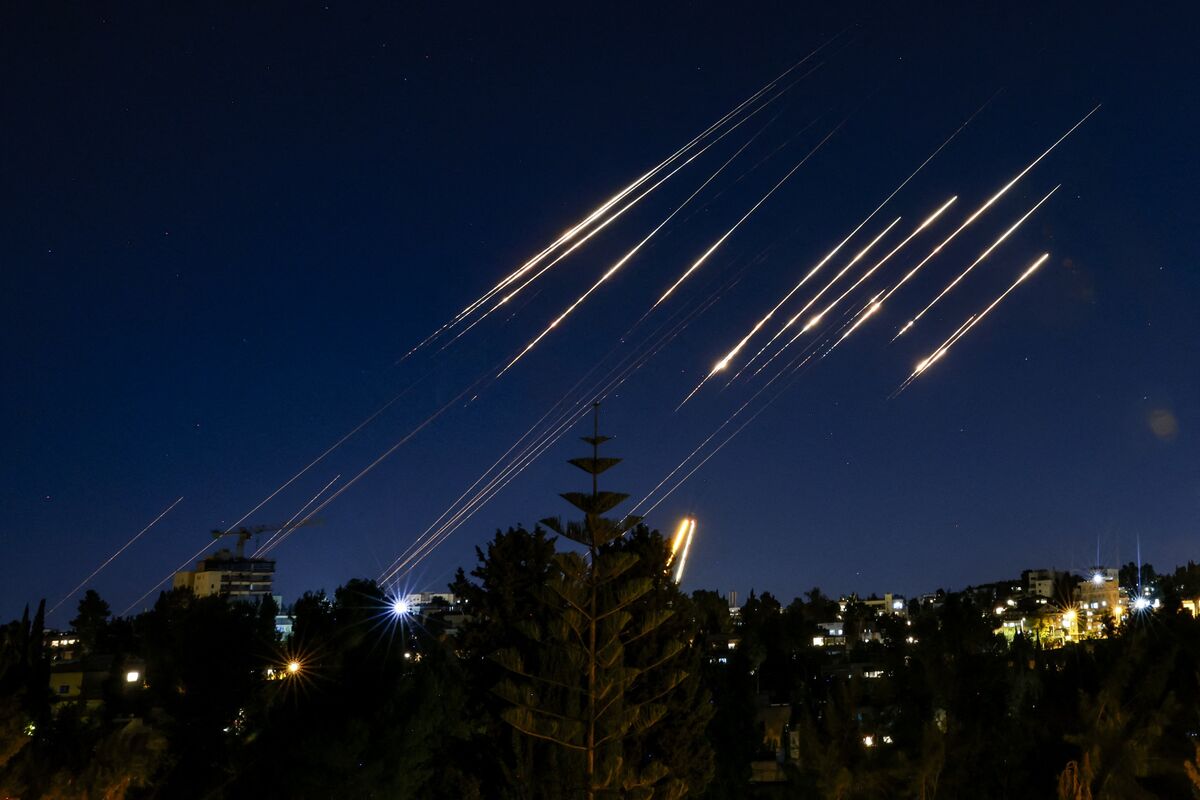
China's cautious and low-profile response to the Iran-Israel conflict has highlighted the limitations of its global diplomatic influence and ambitions, despite its self-positioning as a stabilizing force. This contrasts with the United States, which, through former President Trump's actions, demonstrated its continued capacity to de-escalate the crisis, underscoring Washington's enduring relevance in international conflict resolution.
China's restrained response to the Iran-Israel conflict has exposed a significant gap between its global diplomatic ambitions and its practical influence. The event, framed as a litmus test for great power diplomacy, saw Beijing adopt a cautious, low-profile posture, failing to assert itself as the stabilizing force it often purports to be. In contrast, the United States, despite being an escalatory actor through its strikes on Iranian nuclear sites, ultimately demonstrated a continued capacity to de-escalate the crisis. This dynamic underscores the persistent dominance of Washington in managing major geopolitical flashpoints, particularly in the Middle East, and calls into question the narrative of a rapid shift in the global balance of power. The incident suggests that China's ability to project influence remains limited in critical international security matters, a key consideration for assessing geopolitical risk.
AI-powered research, real-time alerts, and portfolio analytics for institutional investors.
Request DemoOverall Sentiment
moderately negative
Sentiment Score
-0.40
