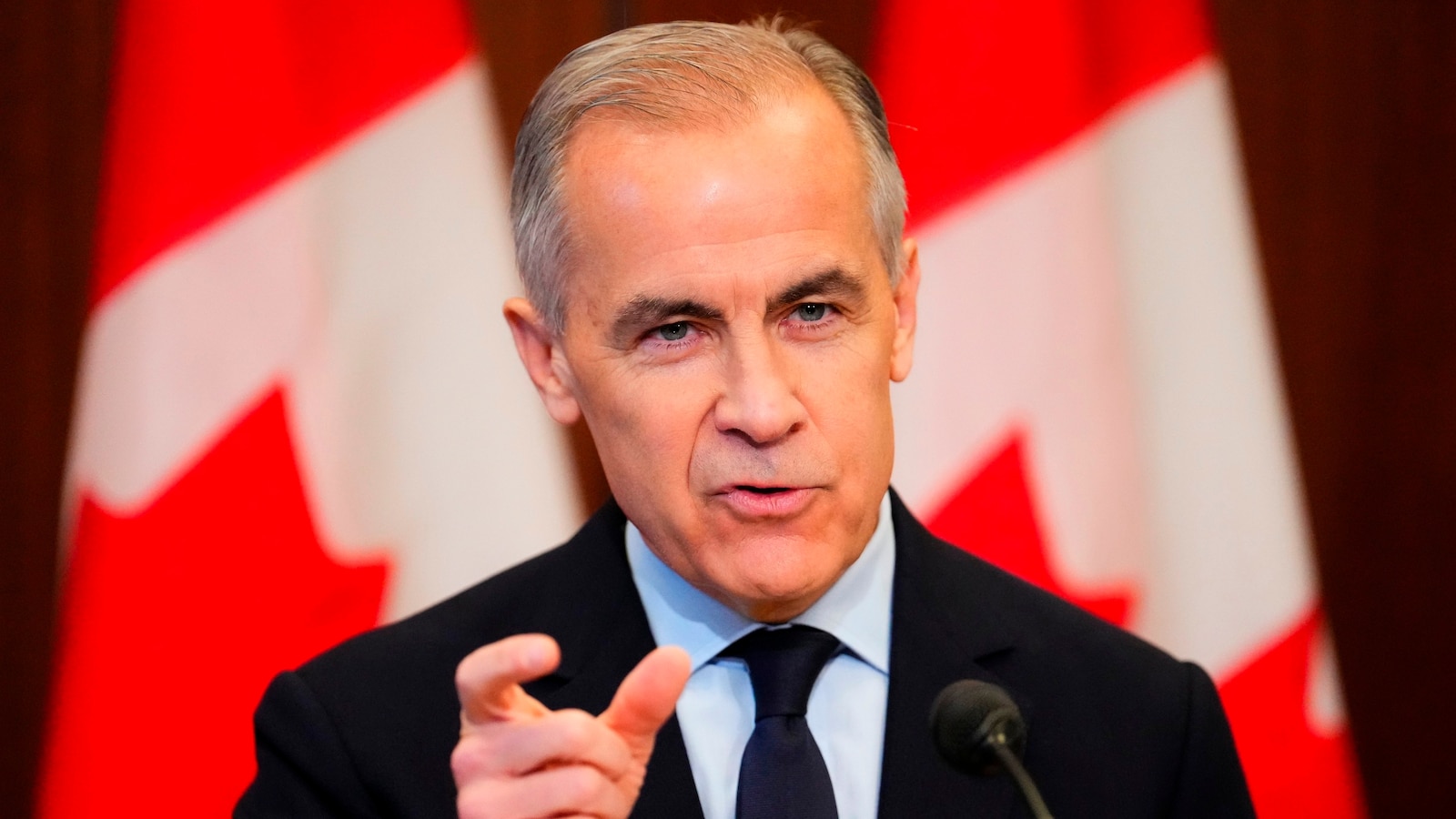
Canada plans to double its electricity grid by 2050 under a new clean electricity strategy that could cost more than C$1 trillion, with a broader mix of hydro, nuclear, wind, solar, natural gas, carbon capture and geothermal. The plan is aimed at lowering power costs for households and improving competitiveness, while shifting away from the prior Trudeau-era decarbonization framework. The government also forecasts 130,000 new workers will be needed and is considering tax credits and retrofit support for up to 1 million households.
The real market signal is not the rhetoric around clean power; it’s the admission that reliability and scale now outrank ideological purity. That favors firms that can deliver grid hardware, permitting, dispatchable generation, and long-duration financing, while pressuring pure-play decarbonization names that depend on a narrow policy regime. The biggest second-order beneficiary is likely the North American industrial complex tied to transmission, transformers, switchgear, gas turbines, and grid software, because a doubling of capacity implies a multi-year backlog cycle rather than a one-off spending bump. The inclusion of gas is the key regime shift. It lowers the probability of a near-term power-price spike and makes the buildout more bankable, which should compress risk premia for utilities and independent power producers with flexible generation portfolios. At the same time, it creates a less favorable setup for intermittent-heavy renewable developers if subsidies slow or interconnection queues remain bottlenecked; in that case, the bottleneck becomes permitting and copper/transformer supply, not ideology. For markets, this is more bullish for real-economy enablers than for headline green beta. The clean-energy narrative may look supportive over years, but in the next 6-18 months the trade is around order intake, not policy ambition: grid capex, labor scarcity, and rate sensitivity. The main downside risk is fiscal follow-through—without explicit funding, the plan can still generate multiple expansion in named beneficiaries, but not the earnings power needed to justify it. Contrarian take: the consensus may be underestimating how much this benefits natural gas infrastructure and existing utilities relative to solar/wind developers. If the system is being rebuilt for affordability and reliability, then the winning mix is likely more balanced and less subsidy-dependent than ESG investors expect. That means the market could overpay for “pure green” duration while underpricing regulated cash flows and equipment suppliers with pricing power.
AI-powered research, real-time alerts, and portfolio analytics for institutional investors.
Request DemoOverall Sentiment
mildly positive
Sentiment Score
0.20
