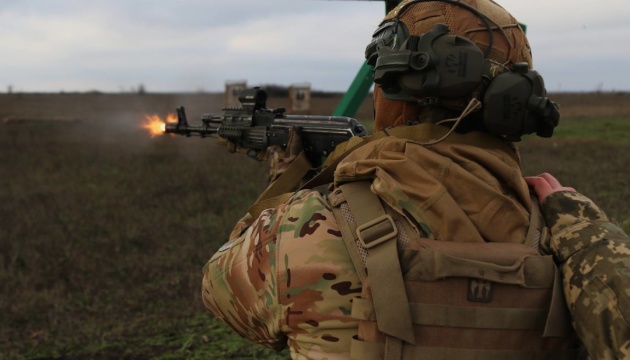
Ukrainian General Staff reported 237 combat clashes on Dec. 26, 2025, with especially fierce fighting in the Pokrovsk (50 attacks) and Lyman (31 attacks) sectors; Russian forces conducted one missile strike, 56 air strikes (dropping 147 glide bombs), deployed 2,275 kamikaze drones and carried out 2,382 artillery strikes. Ukrainian defenders repelled multiple assaults across sectors, claiming to neutralize 100 attackers (71 irreversibly) and destroy vehicles, 26 drones, two satellite comm terminals, command posts, an ammo/fuel depot and other assets; Myrnohrad remains held with reinforcements arriving. The high tempo of drone and artillery employment signals sustained operational intensity and elevated regional geopolitical risk, with potential knock-on effects for defense exposure and regional market sentiment.
Market structure: Intensified frontline fighting increases near-term demand for munitions, loitering munitions/drone countermeasures, SATCOM and artillery systems — direct winners are large defense primes (LMT, RTX, GD, NOC) and niche suppliers of ammo and SATCOM (SMCI/small caps) with potential backlog growth of +10–20% within 6–12 months. Losers include Ukrainian asset classes, regional banks and passenger aviation (higher fuel/insurance costs), and agricultural/logistics exporters facing route closures; expect transient upward pressure on oil/wheat and safe-haven bids in USD and gold.
Risk assessment: Tail risks include broader escalation (NATO logistics exposure or strikes on European energy infrastructure) — low probability (<5%) but would spike oil +20–40% and widen sovereign spreads dramatically within days. Immediate horizon (days): volatility and commodity spikes; short-term (weeks–months): procurement cycle wins for defense contractors; long-term (quarters): sustained defense capex growth versus potential supply-chain bottlenecks (propellants, chip shortages). Hidden dependencies: Western supply embargoes/sanctions could re-route components and throttle smaller suppliers, delaying revenue recognition by 3–9 months. Key catalysts: US/EU aid votes (next 2–8 weeks), operational breakthroughs, winter weather.
Trade implications: Implement concentrated, time-boxed exposure: establish 2–3% long positions in LMT and RTX each (3–9 month horizon) and 1% long GLD and 1% WEAT as inflation/commodity hedges; execute pair trade long RTX (2%) vs short JETS ETF (2%) to capture defense vs travel divergence. Use options: buy 6–9 month 25–30% OTM call spreads on LMT/RTX sized at 0.5–1% NAV for asymmetric upside; consider 1–2% sized put spread on European airline/airport operators if oil >$95/bbl or VIX spikes >30.
Contrarian angles: Consensus underestimates faster re-rating of small-cap specialized suppliers that can deliver munitions/satcom in 3–6 months — look for 30–50% rerating candidates after contract awards. Market may overprice persistent oil shock; if OPEC+ spare capacity remains, oil spike could reverse within 6–12 weeks — use short-duration commodity calls rather than long-dated. Historical analogue (post-2014) shows defense primes outperforming equity indices over 12–24 months; downside risk is procurement delays or budget reallocations if macro weakens.
AI-powered research, real-time alerts, and portfolio analytics for institutional investors.
Request DemoOverall Sentiment
strongly negative
Sentiment Score
-0.60
