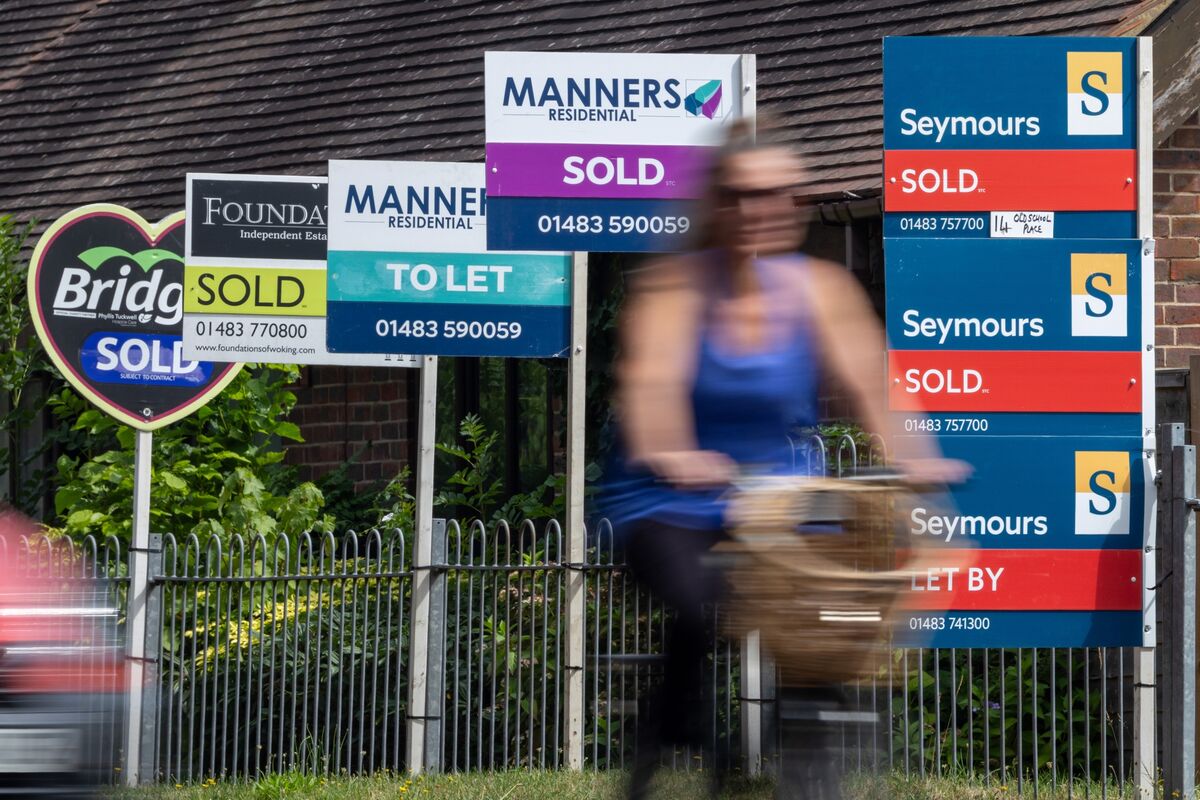
The average UK two-year fixed mortgage rate has fallen to 4.99%, marking the first time it has dipped below 5% since September 2022, prior to the market volatility caused by Liz Truss's mini-budget. This decline, reported by Moneyfacts, indicates an easing of borrowing costs for homeowners and could signal a stabilization in the UK housing market.
The average UK two-year fixed mortgage rate has declined to 4.99%, a psychologically significant milestone as it marks the first time rates have fallen below the 5% threshold since September 2022. This normalization represents a direct reversal of the sharp spike in borrowing costs that followed the Liz Truss administration's mini-budget, which proposed £45 billion in unfunded tax cuts and severely disrupted credit markets. The data from Moneyfacts indicates a material easing of financial conditions for homeowners and prospective buyers, suggesting a stabilization in the lending environment. This development is a positive leading indicator for the UK housing market, as lower rates improve affordability and could stimulate transaction volumes and support property valuations after a period of instability.
AI-powered research, real-time alerts, and portfolio analytics for institutional investors.
Request DemoOverall Sentiment
strongly positive
Sentiment Score
0.60
