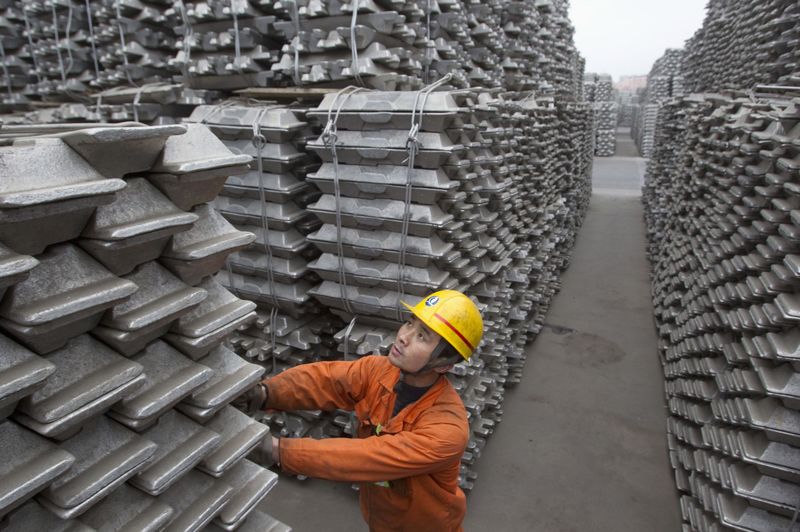
Shanghai aluminium fell 0.78% to 24,660 yuan/mt ($3,585.92) in daytime trading, though the contract still gained 3% for the week. The decline was driven by a stronger US dollar and growing recession fears tied to a potential prolonged Iran war after fresh threats, creating risk-off pressure on metals. Monitor FX strength and Middle East developments for near-term volatility in aluminium and related commodity markets.
A US-dollar–centric narrative is crowding out a more granular supply-side risk: aluminium is uniquely electricity‑intensive (electricity commonly represents ~30–40% of smelter cash costs), so any war-driven energy/transport shock or China power policy shift can force capacity curtailments that remove supply much faster than typical mine cutbacks. That dynamic creates asymmetric upside for producers if the macro-driven demand softening is shallow or policy stimulus arrives — a 5–10% draw in physical availability can translate into a 15–30% move in spot given tight regional logistics and bonded warehouse concentrations.
Second-order winners are recyclers and low‑cost hydro‑powered producers (they flex production with lower marginal cost) while high‑cost, grid-dependent smelters are vulnerable to both energy cost shocks and FX/financing stress. Freight/insurance players and regional aluminium refiners also see margin reallocation: higher energy/shipping raises landed cost in importers’ markets, giving local producers pricing power where supply is constrained.
Key catalysts that will move prices over different horizons are distinct: in days–weeks, headline risk from escalation or a sudden USD reversal will drive vol; in 1–6 months, Chinese industrial policy (export quotas, stimulus for construction/auto) and winter power plans determine physical flows; in 6–18 months, structural capex decisions at globally marginal smelters and energy contract rollovers set the longer-term curve. Reversals occur if (a) USD rallies further on hawkish Fed guidance, (b) China demand collapses >5–7% y/y, or (c) insurance/freight normalizes quickly — any of which would compress risk premia rapidly.
AI-powered research, real-time alerts, and portfolio analytics for institutional investors.
Overall Sentiment
mildly negative
Sentiment Score
-0.25
