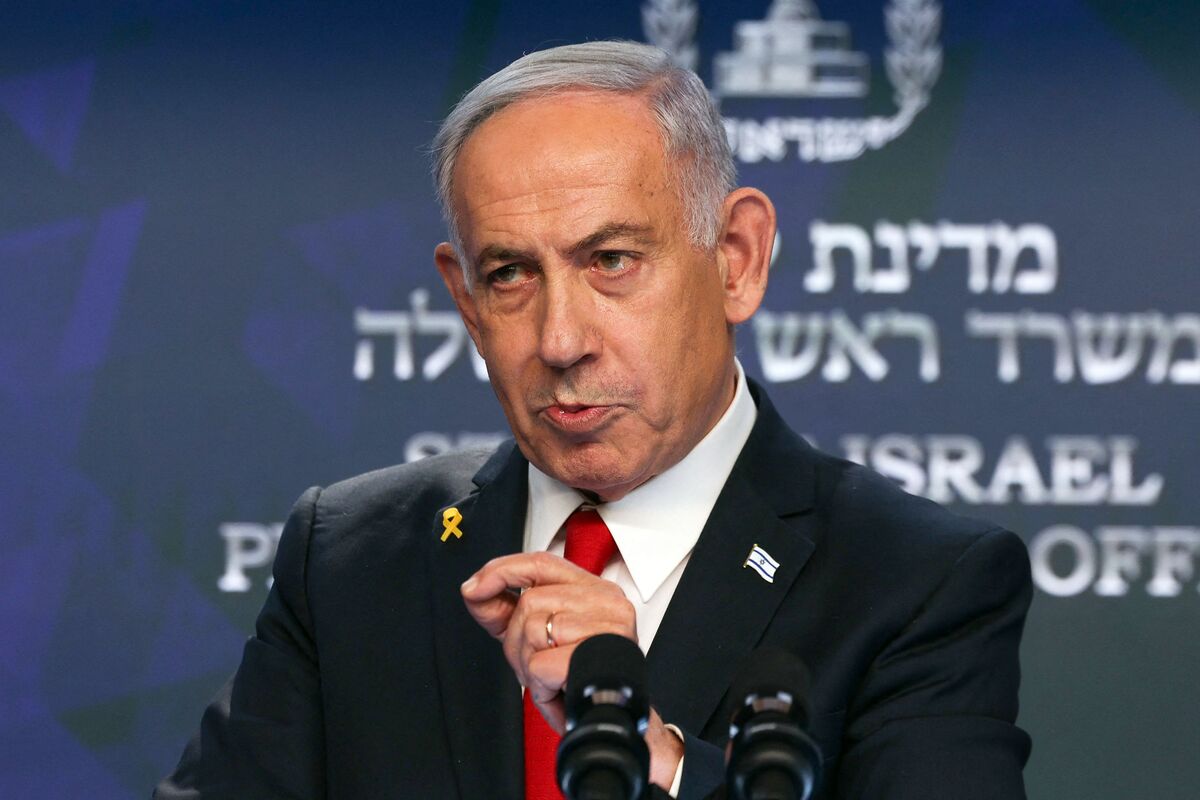
Israeli Prime Minister Benjamin Netanyahu averted a snap election after successfully defeating a parliamentary motion to dissolve the government, with the vote failing 61-53. The survival of Netanyahu's coalition comes amid heightened tensions with Iran over its nuclear program, and followed intense negotiations with ultra-Orthodox parties who had threatened to defect over military draft exemptions.
Prime Minister Benjamin Netanyahu's government in Israel narrowly averted an early election, as a parliamentary motion to dissolve the government was defeated with a 61 to 53 vote. This development, occurring amidst heightened tensions with Iran over its nuclear program, provides a measure of short-term political continuity. The government's survival hinged on last-minute negotiations with ultra-Orthodox allies, who were appeased over contentious military draft exemptions for religious men, although the specific details of this compromise remain undisclosed. This lack of transparency introduces an element of uncertainty regarding the durability of the coalition and its capacity to address ongoing domestic and significant geopolitical challenges. The overall sentiment is assessed as mixed with an uncertain tone, reflecting the tenuous nature of the current political stability.
AI-powered research, real-time alerts, and portfolio analytics for institutional investors.
Request DemoOverall Sentiment
mixed
Sentiment Score
0.00
