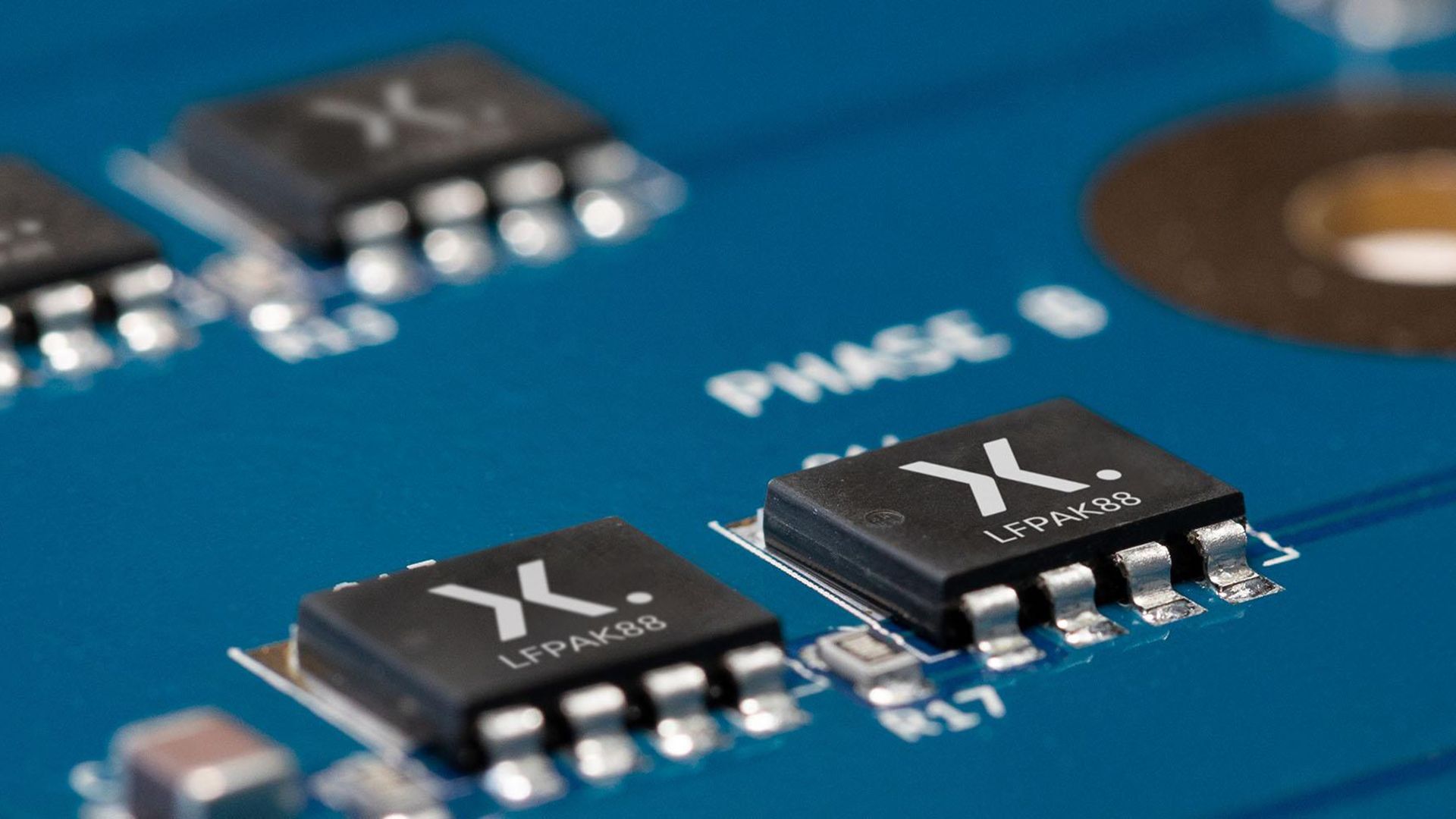
The Dutch government seized control of Nexperia from Chinese parent Wingtech—triggering Beijing protests and a suspension of wafer shipments from Nexperia Netherlands to its China factory—at a time when Nexperia supplies roughly 70% of the global automotive chip market. The disruption has already forced Honda to idle five plants and prompted Nexperia China to seek replacement wafer suppliers (a qualification process likely taking six months or more), creating a significant near-term undersupply risk for automakers and underscoring concentration risk in the semiconductor supply chain amid parallel U.S. export-control pressure on Wingtech.
Market structure: The Nexperia/NL seizure creates short-term winners among mature-node suppliers (ON Semiconductor - ON, Texas Instruments - TXN, Infineon - IFNNY) who can grab pricing power for commodity automotive ICs; TSMC (TSM) and ASML are neutral-to-beneficiaries longer-term as OEMs reallocate capex to diversify fabs. With Nexperia supplying ~70% in a niche, expect spot tightness and 10–30% premium on legacy-node parts over the next 3–9 months until qualification cycles close.
Risk assessment: Tail risks include escalation to US Entity List measures or Dutch export blocks triggering 6–18 month outages and global autos cutting production by 5–15% for affected models; secondary risk is Chinese onshore wafer qualification accelerating (6–12 months) restoring supply and collapsing price premia. Key catalysts: Dutch court rulings and US export-controls updates in the next 30–90 days; wafer qualification lead times (target 6+ months) set the short-term ceiling.
Trade implications: Favor 1–3% tactical longs in mature analog/auto chipmakers (ON, TXN, IFNNY, STM) to capture pricing power; use 3–9 month call spreads to limit downside. Short convex risk in Europe/Japan OEMs (e.g., Honda HMC) via 1–2% position in puts or underweight auto suppliers with high single-supplier exposure; hedge with 1–2% long in TSM/ASML as structural tech hedges.
Contrarian angles: Consensus underestimates speed of Chinese supplier substitution—domestic wafer sourcing could neutralize shortages in 6–12 months, making current premia overstated; position sizing should assume a mean reversion by Q4–Q1. Historical parallels (2018 supply re-routes) show initial price spikes then rapid normalization once qualification completes; avoid overleveraging on duration longer than 12 months.
AI-powered research, real-time alerts, and portfolio analytics for institutional investors.
Request DemoOverall Sentiment
strongly negative
Sentiment Score
-0.60
Ticker Sentiment
