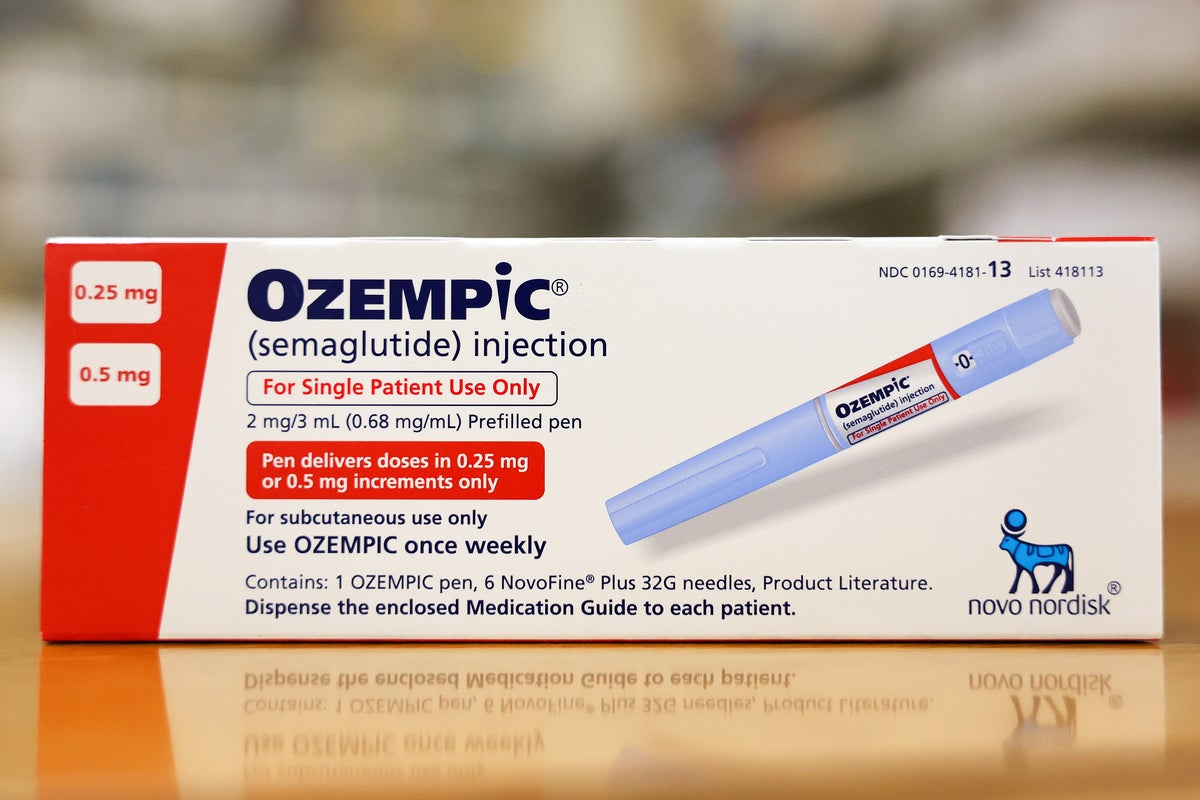
A Cleveland Clinic study published in Obesity Journal found that GLP-1 weight loss drugs like Wegovy and Ozempic may be less effective in real-world settings due to higher rates of discontinuation and lower dosages compared to clinical trials; patients who discontinued treatment early saw only a 3.6% average weight reduction after a year, versus 13.7% to 18% for those on maximum dosages who stayed on the medication. The study, which monitored nearly 7,900 adults, cited cost, side effects, and shortages as common reasons for discontinuation, impacting both weight loss and blood sugar regulation, particularly in pre-diabetic individuals.
A recent Cleveland Clinic study, published in Obesity Journal, indicates that popular GLP-1 weight-loss drugs, including Novo Nordisk's semaglutide (Wegovy, Ozempic) and Eli Lilly's tirzepatide (Zepbound, Mounjaro), demonstrate lower effectiveness in real-world settings compared to the outcomes observed in randomized clinical trials. The research, involving nearly 7,900 severely obese adults, attributed this discrepancy to higher rates of treatment discontinuation and the use of lower maintenance dosages in routine clinical practice. Specifically, patients who discontinued treatment within three months experienced an average weight reduction of only 3.6% after one year, contrasting sharply with up to 13.7% for semaglutide and 18% for tirzepatide users who remained on treatment at optimal dosages. Common reasons for discontinuation were identified as high drug costs, side effects, and supply shortages, though the article notes that prices have reportedly started to decrease since the study's 2021-2023 observation period. The study found that over 20% of participants discontinued medication early, 32% discontinued late, and more than 80% were maintained on dosages lower than those considered optimal for therapeutic effect. These factors also negatively impacted blood sugar regulation in pre-diabetic participants, with only a third of early discontinuers achieving normal blood sugar levels, compared to 67.9% of those who adhered to the treatment. While Novo Nordisk responded by highlighting semaglutide's extensive clinical development and real-world evidence supporting its efficacy and safety, Eli Lilly had not provided an immediate comment. The overall sentiment derived from this news is moderately negative (-0.4) with a market impact score of 0.55, suggesting that real-world patient adherence challenges may moderate the initially anticipated benefits and market penetration of these drugs.
AI-powered research, real-time alerts, and portfolio analytics for institutional investors.
Request DemoOverall Sentiment
moderately negative
Sentiment Score
-0.40
Ticker Sentiment
