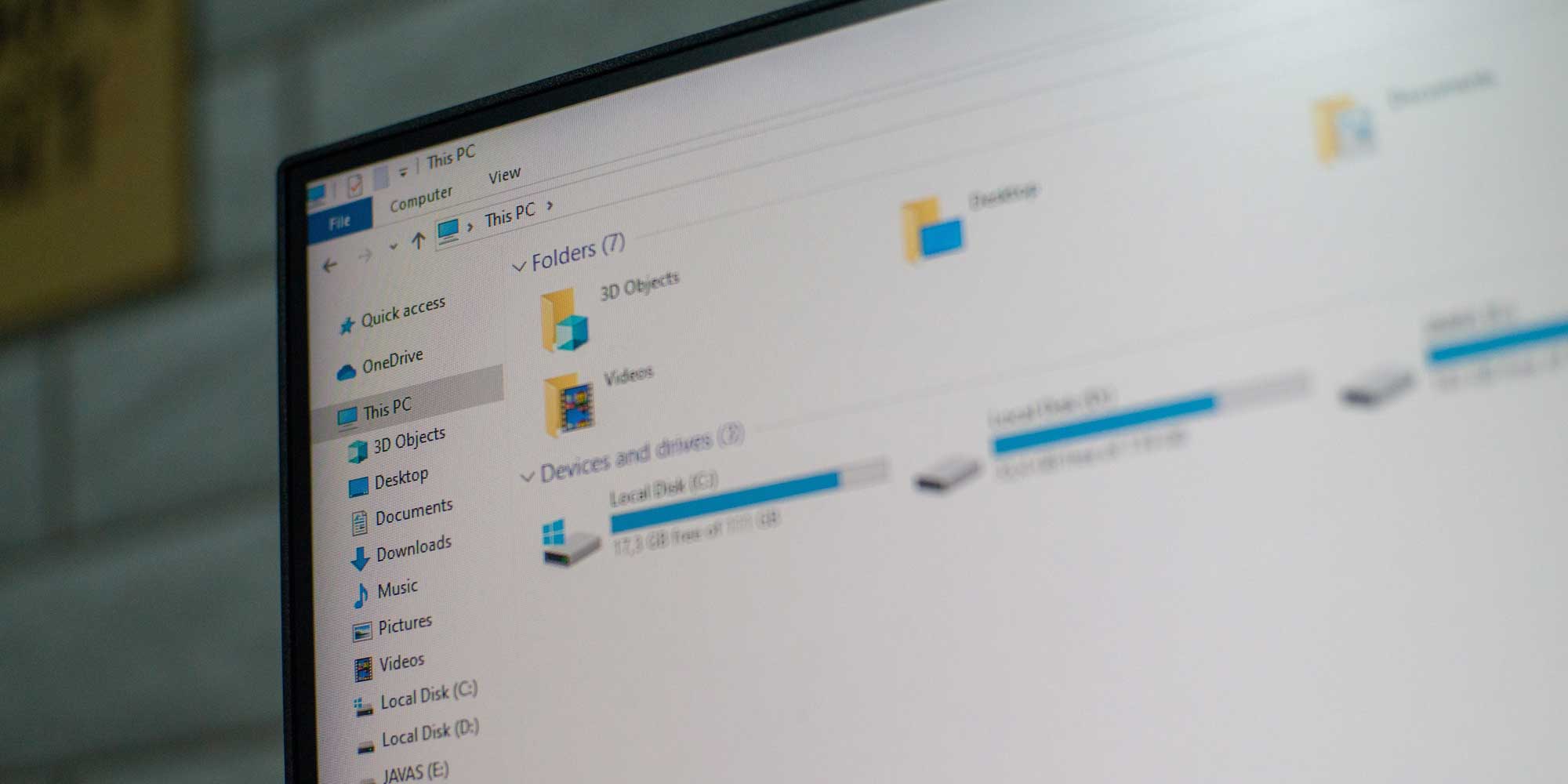
Microsoft is testing a background preloading feature for File Explorer in a Windows Insider Dev/Beta build to reduce slow launch times, with the option for users to disable it in Folder Options. The change highlights a pragmatic fix for user experience issues—preloading rather than slimming or reengineering the app—which may raise modest concerns about software bloat and device resource use but is unlikely to have material financial impact on Microsoft.
Market structure: This change is a UX tweak with negligible OS-market share effect but creates micro-demand for higher-spec PCs (RAM/CPU) and may lift OEM and semiconductor pricing power modestly; estimate a 0.5–2% incremental DRAM/NAND demand tail over the next 6–12 months if Windows features continue to consume resources. Winners: NVDA, AMD, MU, SK HYNX, DELL/HPQ via higher-spec SKUs; Losers: niche third‑party file utilities and low‑end Chromebook-like devices where battery/footprint matter. Cross-assets: expect small knock‑on to single-name implied volatility for MSFT (+/-), negligible sovereign bond/FX moves unless broader Windows reliability issues escalate.
Risk assessment: Tail risks include a high-profile reliability or privacy incident from background preloading triggering enterprise churn or regulatory scrutiny (EU/US) — low probability but >$5bn reputational hit scenario over 12–24 months. Short-term (days–weeks) risk is negative sentiment spikes in tech press and options flows; medium-term (3–9 months) is consumer/back-to-school buying patterns; long-term (1–3 years) is cumulative bloat increasing PC refresh cycles. Hidden dependencies: battery life and telemetry metrics; catalysts are Insider telemetry reports, October/November update rollouts, and holiday PC sales data.
Trade implications: Remain constructive on MSFT (core cloud cash flows) but size exposure carefully — prefer 0.5–1.5% incremental portfolio buys rather than large tactical bets. Tactical hardware play: overweight MU (Micron) and SK HYNX by +1–2% weights and buy NVDA 3‑month calls 10% OTM (2% notional) to capture PC upgrade flow ahead of holiday season (act in next 2–6 weeks, review in 3 months). Use options to sell MSFT 30–45D 2% OTM cash‑secured puts if implied vol <20% to collect premium and lower basis.
Contrarian angles: The market is underestimating cumulative hardware upside from decades of OS bloat; a sustained trend of background preloading across Windows features could reaccelerate RAM/SSD ASPs by 2–4% over 12 months. Conversely, the consensus ignores regulatory/privacy flip risk; if EU/US regulators open formal probes within 30–90 days, reprice MSFT down 6–12% in that window. Historical parallel: Windows XP/Vista-era bloat rewarded hardware OEMs during refresh cycles; similar microcycle could repeat once multiple features preload concurrently.
AI-powered research, real-time alerts, and portfolio analytics for institutional investors.
Request DemoOverall Sentiment
mildly negative
Sentiment Score
-0.25
Ticker Sentiment
