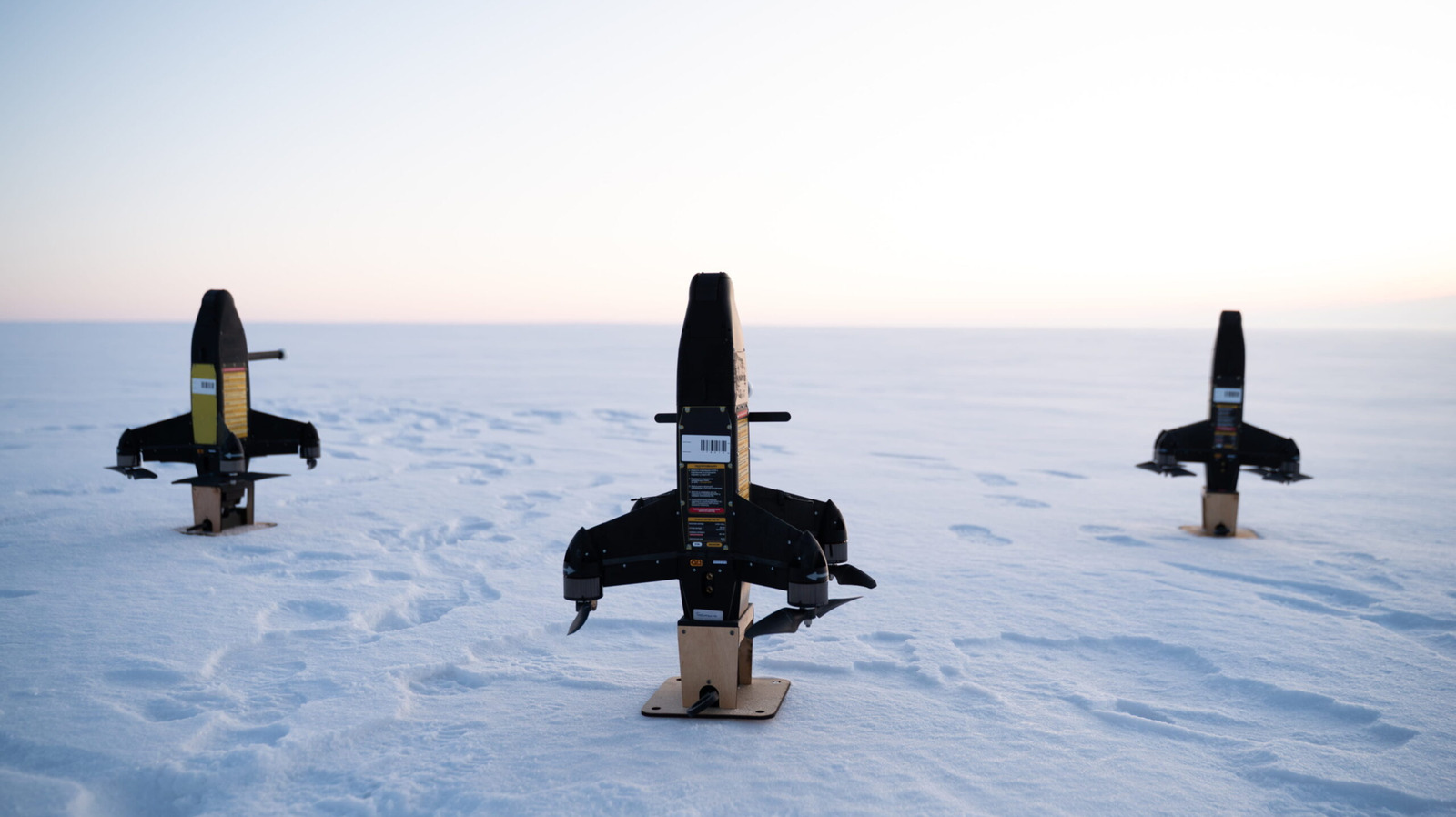
Strila, a new Ukrainian interceptor drone certified at Technology Readiness Level 7, can reach up to 220 mph with roughly 10 minutes of flight endurance and features daylight/thermal imaging plus a hybrid autonomous/human control system. The article highlights cost dynamics: attacking Shahed-136 drones cost roughly $35k each while intercepting with systems like a Patriot missile can cost ~ $4M, positioning Strila as a lower-cost tactical countermeasure. Although not yet combat-used, Strila's capabilities could materially improve Ukraine's short-range air defense economics and operational flexibility if deployed at scale.
This development accelerates a secular reallocation inside defence procurement from expensive kinetic interceptors to higher-volume, lower-cost layered solutions — expect procurement line items to shift materially within 12–36 months as ministries maximize intercepts per dollar. That shift benefits suppliers of short-range EO/IR sensors, RF detection and autonomy stacks more than legacy SAM missile builders, because the marginal dollar buys more utility in sensors and software than in single-shot missiles.
Second-order supply effects: manufacturers of high-RPM motors, custom propellers, batteries and guidance MCUs will see outsized near-term order growth; these are high-volume, low-margin hardware plays that prime contractors will prefer to buy rather than build, creating M&A and supplier consolidation opportunities over the next 18 months. Operational risk that will cap upside is not hardware but contested EM environments — jamming, spoofing and low-signature decoys will blunt effectiveness unless sensor fusion and resilient datalinks scale quickly.
Catalysts and timing to watch: (1) formal procurement awards or framework contracts from EU/NATO buyers (0–12 months) that de-risk revenues, (2) field reports showing attrition rates vs jamming effectiveness (3–9 months), and (3) partnership/M&A announcements as primes tuck in autonomy/sensor specialists (6–24 months). Tail risks include rapid adversary countermeasures that restore the economics of missile interceptors or material supply-chain blowouts for key electronic components, either of which would flip the winners list quickly.
AI-powered research, real-time alerts, and portfolio analytics for institutional investors.
Request DemoOverall Sentiment
moderately positive
Sentiment Score
0.40
