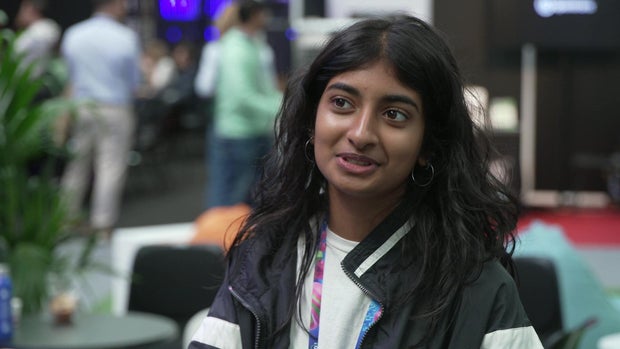
A team of students from Lambert High School used CRISPR-based synthetic biology to develop a novel diagnostic and potential treatment approach for Lyme disease, reportedly detecting infection as early as two days versus two weeks with existing tests. The project — which included software modeling and a kit-style detection concept — placed the team in the global iGEM high-school top 10 in Paris and won a best-software award, underscoring rising U.S. talent even as funding for U.S. high-school synthetic biology programs faces political headwinds and China dominates participation. While promising, the work remains at an early stage and would require extensive validation before commercial or clinical impact.
Market structure: The immediate commercial winners are industrial lab-suppliers and instrument makers (Thermo Fisher TMO, Danaher DHR, Illumina ILMN) because democratizing CRISPR increases recurring consumables/reagent demand while one-off school programs won’t move therapy revenues. Small diagnostic pure‑plays without clinical IP or manufacturing scale are losers as early-stage academic demos raise interest but not immediate sales. Expect pricing power to remain with high-end instrument and reagent incumbents; commoditization will pressure margins for low-end assay providers over 1–3 years.
Risk assessment: Tail risks include tightened biosecurity/regulatory restrictions or federal funding cuts (e.g., education/NIH) that could remove upside — a 10–30% shock to small-cap genomics and edtech exposure is plausible within 3–12 months. Near-term (days–weeks) market impact is minimal; medium-term (3–12 months) depends on grant announcements and M&A; long-term (2–5 years) depends on clinical translation and IP protection. Hidden dependencies: access to GMP manufacturing, LNP delivery partners, and university IP licenses are gating factors.
Trade implications: Tactical capital should overweight tools/supplies and underweight speculative genomics ETFs. Concrete plays: 1–3% positions in TMO/DHR for 6–18 months; maintain a 0.5–1% high-risk options sleeve in platform CRISPR (CRSP/NTLA) via 9–15 month call spreads. Hedge small-cap biotech exposure with short-dated puts on XBI (3-month) sized 1–2%.
Contrarian angles: The market likely underprices durable demand for consumables (multi-year revenue tail) and overprices near-term consumer/PR hype around teen projects translating into therapeutics. Historical parallel: widespread PCR education/DIY interest preceded a decade of instrument/reagent growth — expect a delayed but real revenue cycle. Unintended consequence: increased scrutiny could spike volatility in small-cap names; size positions accordingly and prefer blue‑chip suppliers over single-product diagnostics.
AI-powered research, real-time alerts, and portfolio analytics for institutional investors.
Request DemoOverall Sentiment
mildly positive
Sentiment Score
0.25
