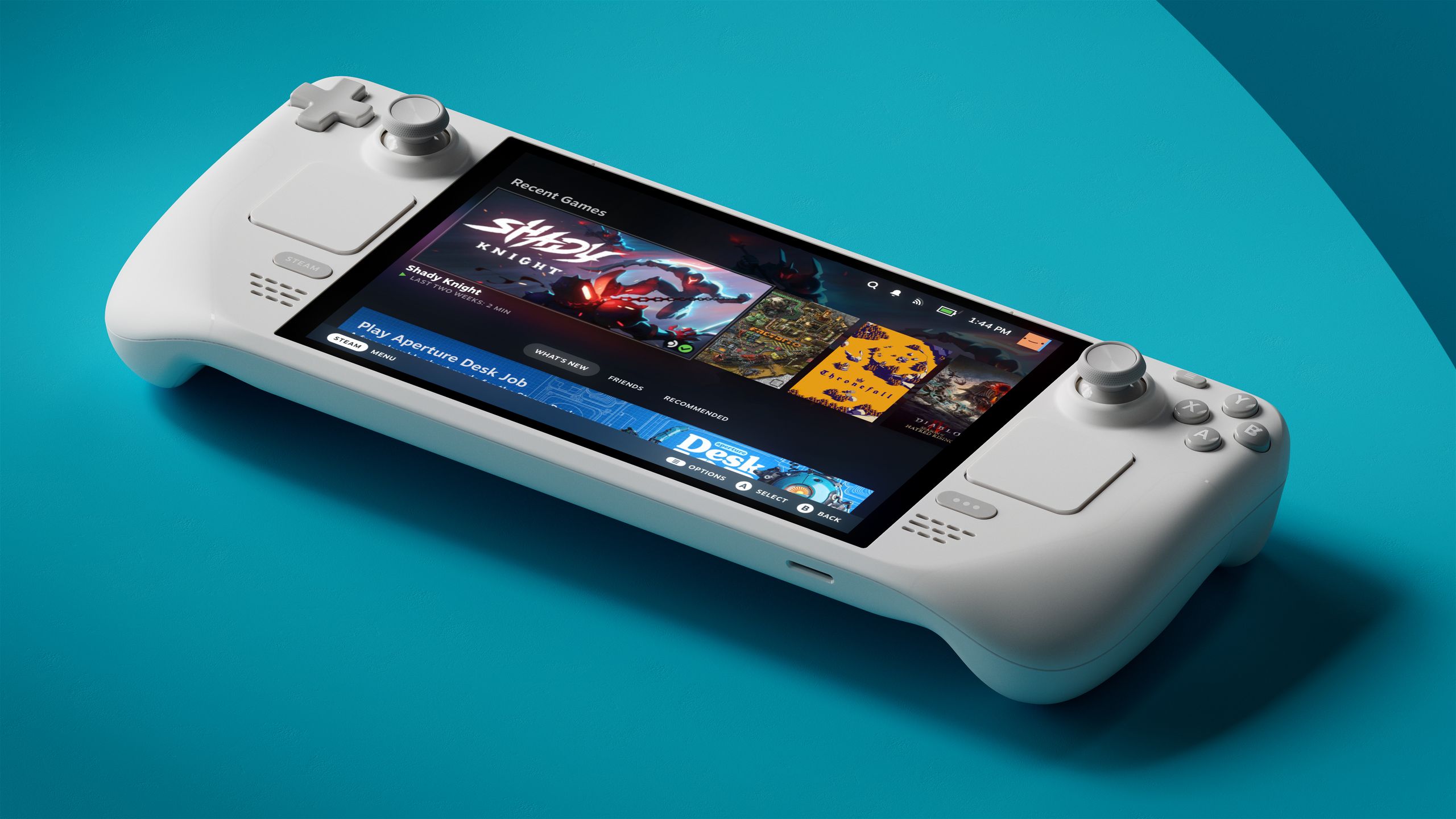
Steam has begun collecting FPS telemetry in a Beta client update and will initially focus on SteamOS devices to estimate game framerates from hardware. Rollout timing and Store integration are unclear; accuracy, small-sample bias and data-collection trust are the primary risks that could influence purchase decisions and generate refunds or reputational/legal scrutiny. The Beta focus on SteamOS (handhelds like Steam Deck, Legion Go S) reflects fewer hardware permutations, but Valve must demonstrate reliable estimates to make the feature useful.
This feature is a demand-shaping signal more than a simple UX improvement: if credible, it will shorten the information asymmetry between publisher claims and end-user expectations, increasing conversion rates for well-optimized titles and amplifying downside for poorly optimized ones. That redistribution of consumer surplus favors vertically-integrated hardware/software combos with tighter telemetry access — vendors whose APUs and drivers are easiest to profile will capture share in handheld and SteamOS ecosystems over the next 6–18 months.
Second-order supply effects are non-trivial. A measurable uplift in perceived compatibility could push OEMs to reallocate scarce APU/SoC capacity toward SteamOS-optimized SKUs, tightening supply for other thin-client or laptop segments; expect an incremental 5–15% shift in near-term BOM prioritization for suppliers if adoption accelerates. Conversely, accuracy misses or widespread refunds would create rapid reputational loss and invite regulator and class-action attention, turning a product-feature bet into a legal/consumer-risk narrative over 12–36 months.
Competitor responses will determine winners: platform owners who can pair hardware telemetry with performance labels will gain asymmetric pricing power (and potential cross-sell leverage), while neutral parties (traditional GPU incumbents) risk commoditization of their metric claims. The cleanest early alpha is in companies that both supply the dominant handheld APUs and control driver stacks; monitor supply allocations, firmware update cadence, and telemetry SDK rollouts as early indicators of durable share shifts.
AI-powered research, real-time alerts, and portfolio analytics for institutional investors.
Request DemoOverall Sentiment
neutral
Sentiment Score
0.05
Ticker Sentiment
