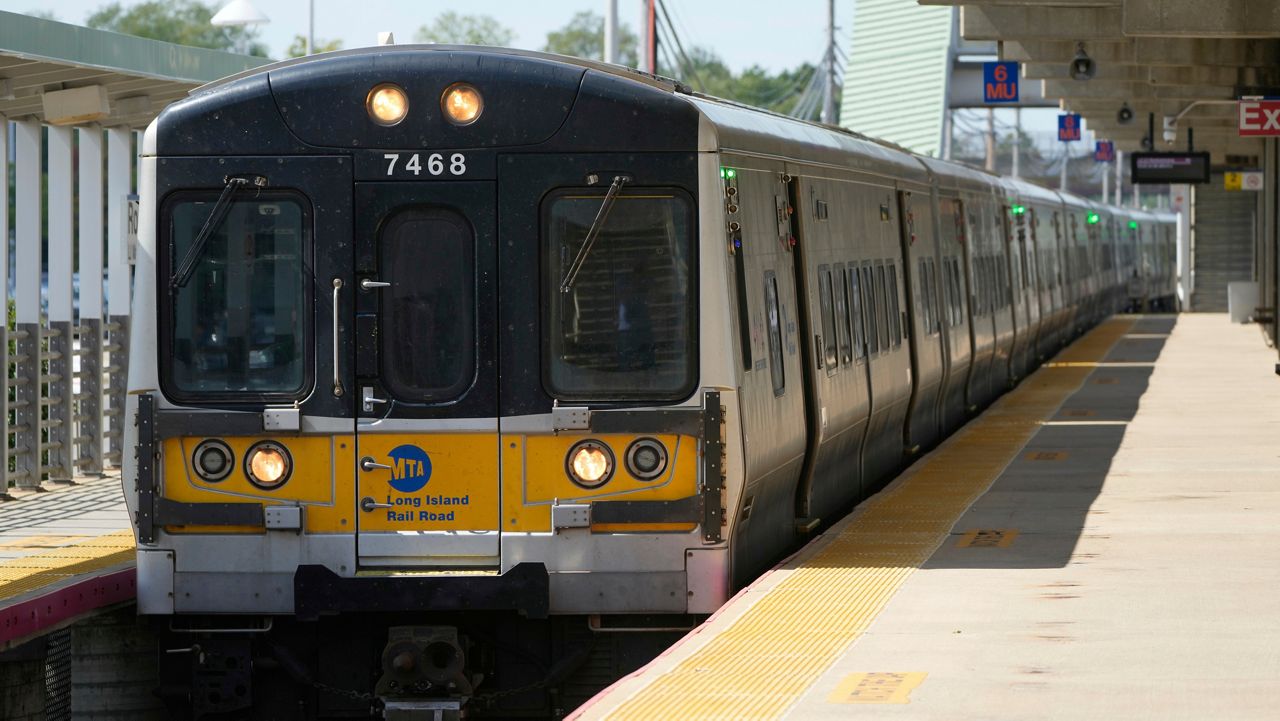
Up to 6,700 MTA employees represented by five unions are threatening a strike that could leave Long Island Rail Road service halted starting May 16. The two sides have agreed on the first three years of a retroactive contract, including 3% wage increases in 2023 and 2024 and 3.5% in 2025, but remain split on a fourth-year 5% union demand versus a 3% MTA offer and work-rule concessions. The MTA warned that any added labor costs would likely be passed through to riders via fare increases, while limited shuttle-bus contingency plans have been outlined.
The market impact is less about the payroll line and more about behavioral spillovers: even a short LIRR shutdown would create an immediate substitution effect into rideshare, taxis, parking operators, and competing commuter rail nodes, but the bigger second-order effect is local demand destruction in the suburban corridor. Daily office attendance in the affected catchment is already fragile; a multi-day disruption can reset commuting habits for weeks, which is why the real economic damage is not the strike itself but the persistence of telework after service resumes. For MTA, the fiscal debate is asymmetric. The agency can likely absorb a few basis points of wage pressure, but conceding on work rules risks reopening labor economics across other transit systems: once premium pay structures are normalized, it becomes harder to justify automation, cross-training, and crew consolidation. That means the near-term headline is labor, while the medium-term trade is higher operating leverage and reduced managerial flexibility across U.S. transit authorities. Consensus may be overstating the probability that riders simply return to baseline after a resolution. Historically, commuter disruptions tend to pull forward mode-switching into private cars and hybrid work, which lowers farebox recovery and increases parking/road congestion for months. The better contrarian read is that the strike threat is a warning signal for structural cost inflation in public transit rather than a one-off labor event; even without a strike, the probability of fare hikes and service rationalization rises materially over the next 6-18 months.
AI-powered research, real-time alerts, and portfolio analytics for institutional investors.
Overall Sentiment
mildly negative
Sentiment Score
-0.35
Ticker Sentiment
