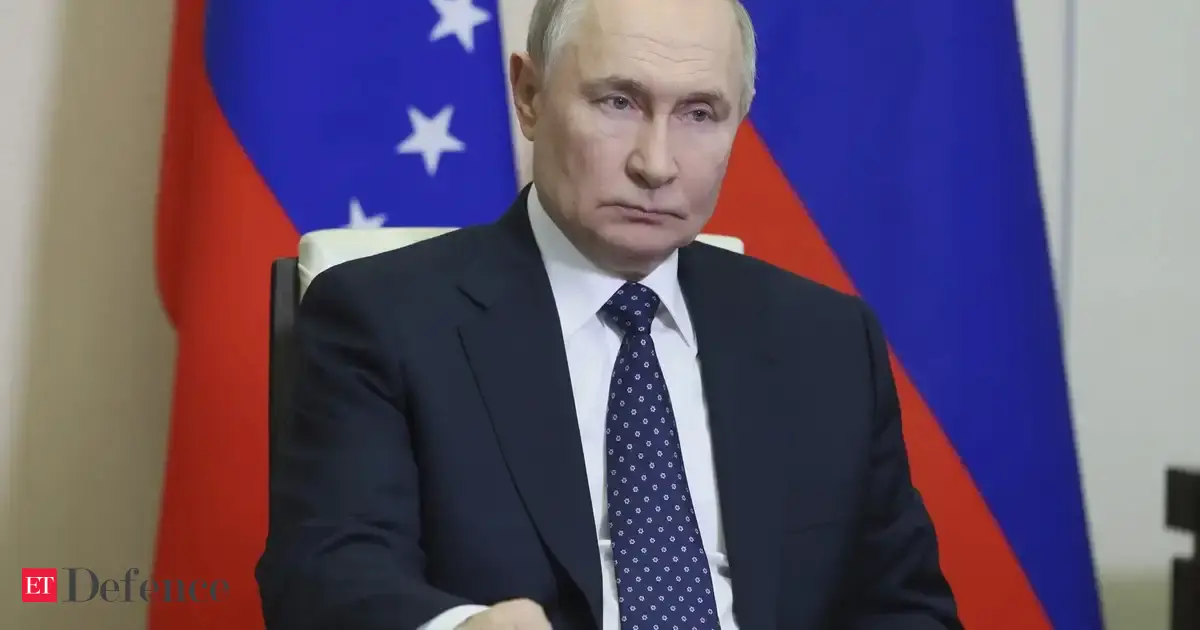
At their Hague summit, NATO leaders, led by Dutch PM Rutte, are addressing escalating geopolitical tensions, identifying Russia as the primary threat and emphasizing Iran's strategic ties with Moscow, asserting Iran must not develop nuclear weapons. Amid ongoing Israel-Iran hostilities, the alliance has pledged to significantly ramp up defense spending, overcoming Spain's opposition to a new 5% GDP target, while committing over €35 billion in aid to Ukraine and a five-fold increase in air defense investments. This collective commitment underscores a substantial increase in military expenditure and a unified, hardened stance against perceived global threats.
NATO is signaling a significant and tangible escalation in its defensive posture, underpinned by substantial financial commitments. The consensus among member states, solidified by Spain dropping its opposition, to ramp up defence spending towards a proposed 5% of GDP benchmark represents a material shift in fiscal priorities for the alliance. This is not merely rhetoric; it is supported by a pledge of over €35 billion in military aid to Ukraine this year and a strategic decision to enact a five-fold increase in investment in air defence systems. The framing of Russia as the "most significant and direct threat" and the explicit mention of Iran's strategic alignment with Moscow, set against a backdrop of active Middle East hostilities, underscores a coordinated hardening of the alliance's stance. This confluence of heightened geopolitical risk, as reflected in the moderately negative sentiment score, and concrete budgetary reallocation points to a sustained tailwind for the defense sector and a more volatile global security environment.
AI-powered research, real-time alerts, and portfolio analytics for institutional investors.
Request DemoOverall Sentiment
moderately negative
Sentiment Score
-0.50
