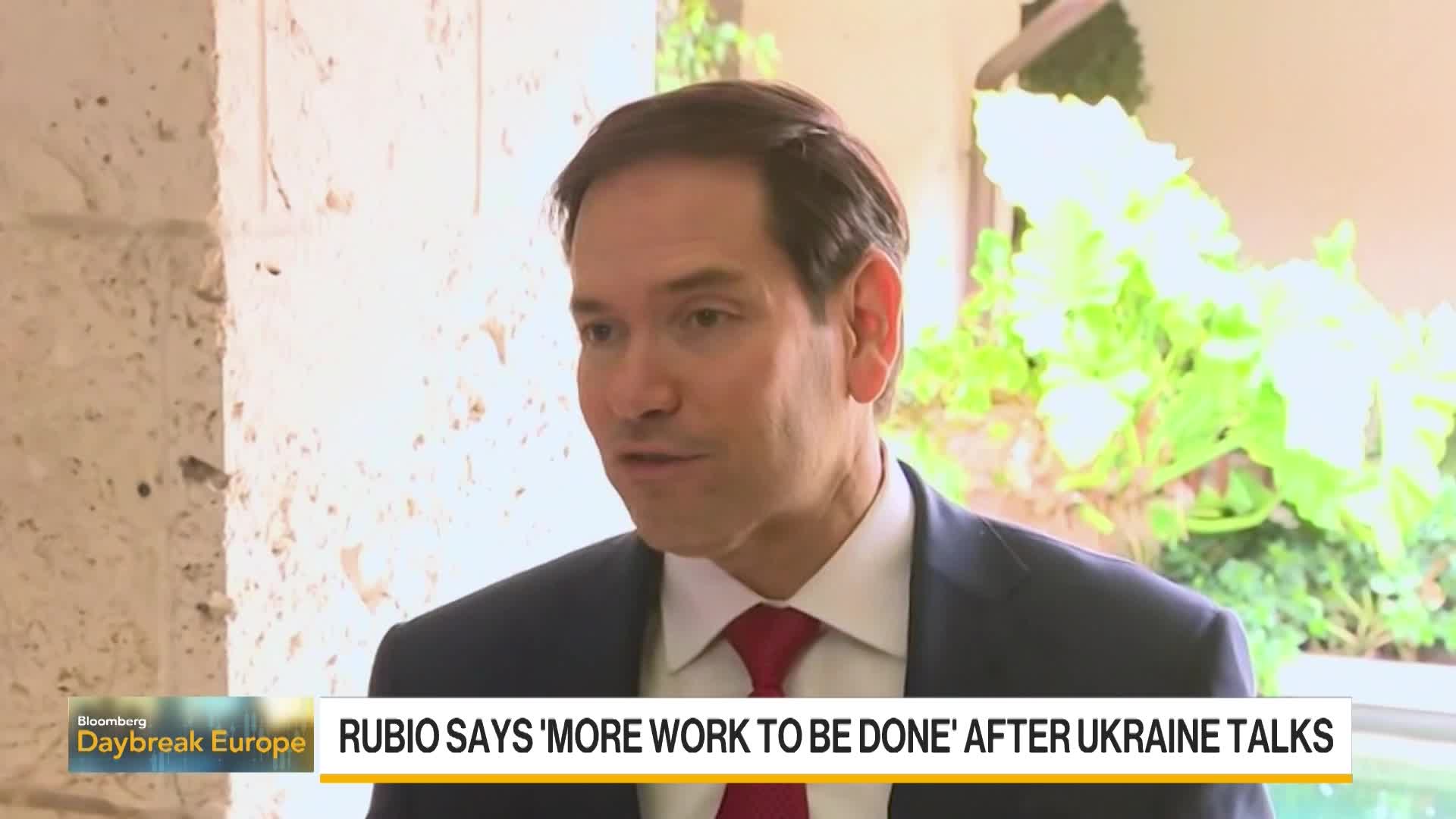
Diplomatic talks on a proposed ceasefire/settlement for Ukraine remain behind closed doors and delayed, with an original 28-point plan reportedly trimmed to 19 points but the living document not publicly available; key diplomatic events this week (meetings in Paris, EU defence ministers, NATO/US discussions and a planned Russian visit) will shape next steps. Domestic turmoil in Kyiv — including the resignation of senior aide Andrei Yermak after corruption-related searches — and European reluctance to act on Russian assets reduce the likelihood of a near-term breakthrough, leaving geopolitical risk elevated but with limited immediate market-moving specifics.
Market structure: A negotiated pause or opaque progress benefits large defense primes (LMT, NOC, RTX) and NATO-adjacent suppliers as Europe pivots to longer-term rearmament; energy and ag commodities remain bifurcated — oil and wheat carry a risk premium while Ukrainian export flow uncertainty keeps prices elevated. Limited European appetite to touch Russian assets reduces near-term shock to EU banks and corporate counterparties but prolongs political risk, compressing liquidity and elevating options-implied volatilities in commodity and defense names by ~15–30% vs pre-talks levels.
Risk assessment: Tail outcomes include a rapid ceasefire (oil -8–15% in 1–3 months) or a renewed escalation/NATO incident (defense stocks +20–40% and safe-haven bid in USD/CHF/JPY). Immediate (days) volatility driven by diplomatic headlines; short-term (weeks–months) driven by Moscow visit and European defense meetings; long-term (quarters) determined by procurement budgets and restoration of Ukrainian exports. Hidden dependencies: Ukraine political stability (Yermak resignation), EU cohesion on sanctions, and US domestic politics; catalysts are Wyckoff’s Moscow trip and publicized 19-point draft text.
Trade implications: Favor a measured long in US defense primes (2–3% NAV) with 6–12 month horizon and a tactical Brent downside hedge (90-day BNO put spread sized 0.8–1.5% NAV) to capture peace-driven price shocks. Short wheat exposure via WEAT (or 3-month put) sized 0.5–1% NAV if diplomatic language signals export corridors reopening; maintain 1–1.5% NAV in GLD as convex insurance if talks fail. Use tight stops (10–12%) and predetermined news triggers to rebalance.
Contrarian angles: Consensus assumes European muscle will be decisive — that's underdone; EU reluctance to freeze Russian assets suggests protracted negotiations and higher-for-longer defense budgets, not immediate peace. History (Minsk 2014) shows stalemate -> multi-year defense procurement cycles and commodity dislocations rather than quick normalization. Unintended consequence: a temporary peace narrative could depress oil/defense prices for DAYS, then reverse if talks collapse, creating two-way trade opportunities; prefer option-based asymmetric exposure over outright directional leverage.
AI-powered research, real-time alerts, and portfolio analytics for institutional investors.
Request DemoOverall Sentiment
mildly negative
Sentiment Score
-0.30
