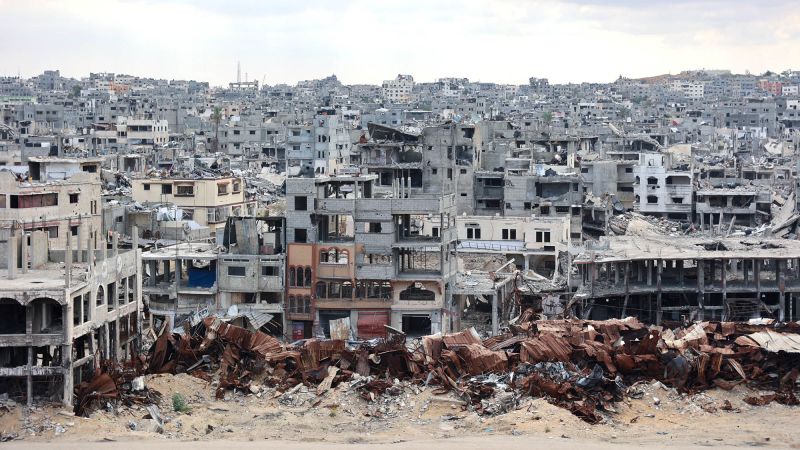
Israeli Prime Minister Benjamin Netanyahu is facing criticism for arming local militias in Gaza as a countermeasure against Hamas, a move revealed by opposition politicians and confirmed by officials. Netanyahu defends the action as a security-driven initiative, while critics, including former defense minister Avigdor Liberman, denounce it as reckless and akin to arming ISIS-like elements, raising concerns about the weapons potentially being turned against Israel. The operation, authorized without security cabinet approval, has sparked controversy amid a lack of clarity on Israel's long-term governance plans for Gaza.
Israel is covertly arming local militias in Gaza, including one reportedly led by Yasser Abu Shabab, a strategy Prime Minister Benjamin Netanyahu defends as a security-advised measure to counter Hamas, but one that has drawn severe condemnation from opposition figures. Former Defense Minister Avigdor Liberman described the operation, which allegedly involves distributing rifles to "crime families" and groups akin to "the equivalent of ISIS in Gaza," as "complete madness" and a threat to national security, warning that "no one can guarantee that these weapons will not be directed towards Israel." This policy, reportedly authorized by Netanyahu without full security cabinet approval, has been lambasted by opposition leader Yair Lapid as improvised and potentially disastrous, drawing parallels to past criticisms of Netanyahu's strategy of allowing Qatari funds into Gaza, which opponents claim strengthened Hamas. The initiative unfolds against a backdrop of nearly 20 months of conflict where Israel has not fully dislodged Hamas, and a notable absence of a clear post-war governance plan for Gaza from Netanyahu's government, intensifying concerns about strategic direction and long-term stability. Hamas has denounced the plan as an effort by Israel to sow "insecurity and social chaos." The "extremely negative" sentiment and "pessimistic" tone associated with this development underscore the perceived dangers; while a provided market impact score of 0.15 suggests limited immediate broad market reaction, the underlying political divisions and security ramifications point towards heightened regional uncertainty and potential for prolonged instability.
AI-powered research, real-time alerts, and portfolio analytics for institutional investors.
Request DemoOverall Sentiment
extremely negative
Sentiment Score
-0.80
