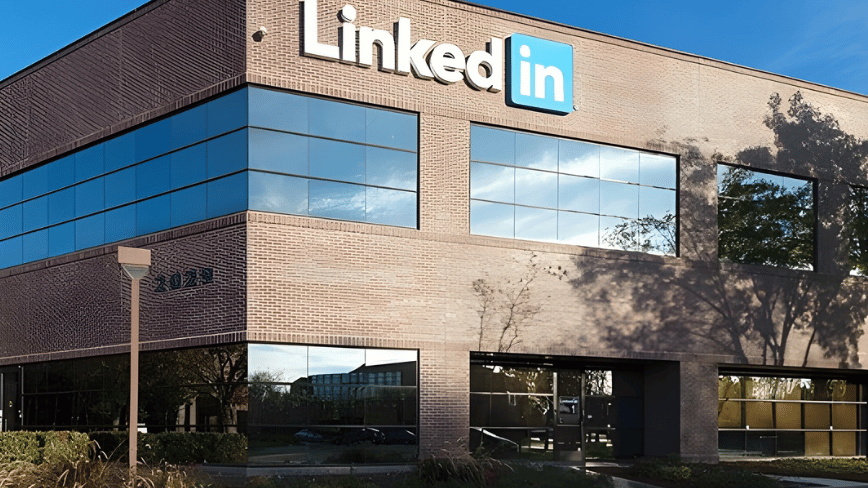
LinkedIn is reported to inject a 2.7MB JavaScript (“Spectroscopy”) that issues up to 6,222 simultaneous probes to detect >6,167 Chrome extensions, collects 48 device attributes, encrypts the resulting fingerprint and appends it to every API request for sessions across >1 billion users. The list allegedly includes >200 competitor tools and categories (neurodivergence, religion, job-hunting) that may qualify as sensitive under GDPR, raising regulatory and fine risk in the EU (context: a €310m Irish DPC fine vs LinkedIn in Oct 2024). LinkedIn disputes the characterisation as covert surveillance, calling it anti-scraping security; technical findings were independently confirmed, leaving legal and reputational uncertainty for LinkedIn and parent Microsoft that could prompt enforcement or investor concern.
Undisclosed, large-scale device and extension probing at a platform this large creates a concentrated regulatory risk that is path-dependent: expect a flurry of document demands and targeted inquiries over the next 4–12 months and materially higher litigation probability over 12–36 months. That path-dependence amplifies short-term volatility more than long-term fundamental impairment — market reactions will be driven by legal posture and remedy scope (fine vs. structural change) rather than immediate revenue loss.
The clearest corporate beneficiaries are vendors that sell privacy, consent-management, and endpoint-detection controls because enterprises will accelerate defensive spend once auditors and counsel flag technical non-disclosure. A small, sustained migration of power users toward privacy-first tooling or alternative browsers (even 1–3% share movement) would disproportionately degrade the value of linked behavioral datasets that ad/AI products monetize, creating a nonlinear revenue hit to services that rely on that fidelity.
For Microsoft specifically, the principal second-order risks are (1) erosion of trust inside large enterprise sales cycles for identity/AI products, causing longer sales cycles and higher churn, and (2) increased compliance and engineering costs to retrofit transparent controls. Conversely, incumbents with deep security stacks can monetize remediation work; the market will award a premium to vendors that can demonstrate auditable telemetry and consent flows within 6–18 months.
AI-powered research, real-time alerts, and portfolio analytics for institutional investors.
Request DemoOverall Sentiment
moderately negative
Sentiment Score
-0.60
Ticker Sentiment
