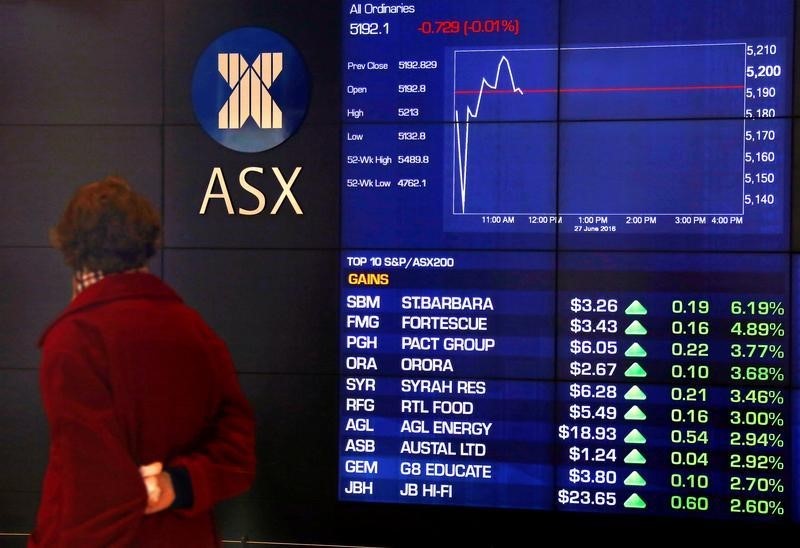
Australian equities slipped 0.19% as losses in Gold, Materials and Financials outweighed gains in select miners and service names. Gold futures rose 0.43% to $4,552.69/oz while crude oil fell 1.45% to $104.88/bbl and Brent dipped 0.37% to $114.02/bbl. The move was accompanied by a higher ASX 200 VIX, up 1.20% to 12.86, and a slightly firmer US dollar index futures reading at 98.36.
The move is best read as a cross-asset risk-premium adjustment rather than a one-way “war oil” trade. A softer crude tape alongside firmer gold suggests the market is pricing a narrower set of outcomes: elevated headline risk and transport disruption, but not yet a persistent loss of physical supply. That combination usually favors defensives and commodity hedges over outright energy beta, especially when the initial impulse is driven by geopolitical noise rather than confirmed infrastructure damage. The real second-order winner is not the obvious energy complex but any asset tied to higher insurance, routing, and working-capital costs in trade. If shipping lanes remain under stress for even a few weeks, freight rates and marine insurance can reprice faster than spot oil, pressuring import-heavy retailers, industrials, and any Asia-linked supply chain with thin gross margins. Conversely, firms with inventory already onshore or with pricing power can absorb the shock and may outperform as peers face margin compression. FX is telling us the market still sees this as a mild risk-off event, not a full-blown macro regime shift. That keeps the setup asymmetric: if the conflict escalates into a genuine supply interruption, the first leg will likely be in JPY, CHF, gold, and volatility rather than in crude alone; if diplomacy de-escalates, the unwind should hit hedges quickly and be most violent in crowded long-gold or long-vol positions. The next 3-10 trading days matter more than the next 3-6 months here because positioning will matter more than fundamentals until there is evidence of sustained shipping disruption. The consensus may be overestimating how much of this needs to be hedged with energy exposure and underestimating the benefits to insurers, defense-linked logistics, and domestic-market cyclicals with low import intensity. The cleaner expression is a relative-value trade versus a directional commodity bet, because a contained crisis can leave oil range-bound while still inflicting meaningful damage on transport-sensitive equities.
AI-powered research, real-time alerts, and portfolio analytics for institutional investors.
Overall Sentiment
mildly negative
Sentiment Score
-0.15
