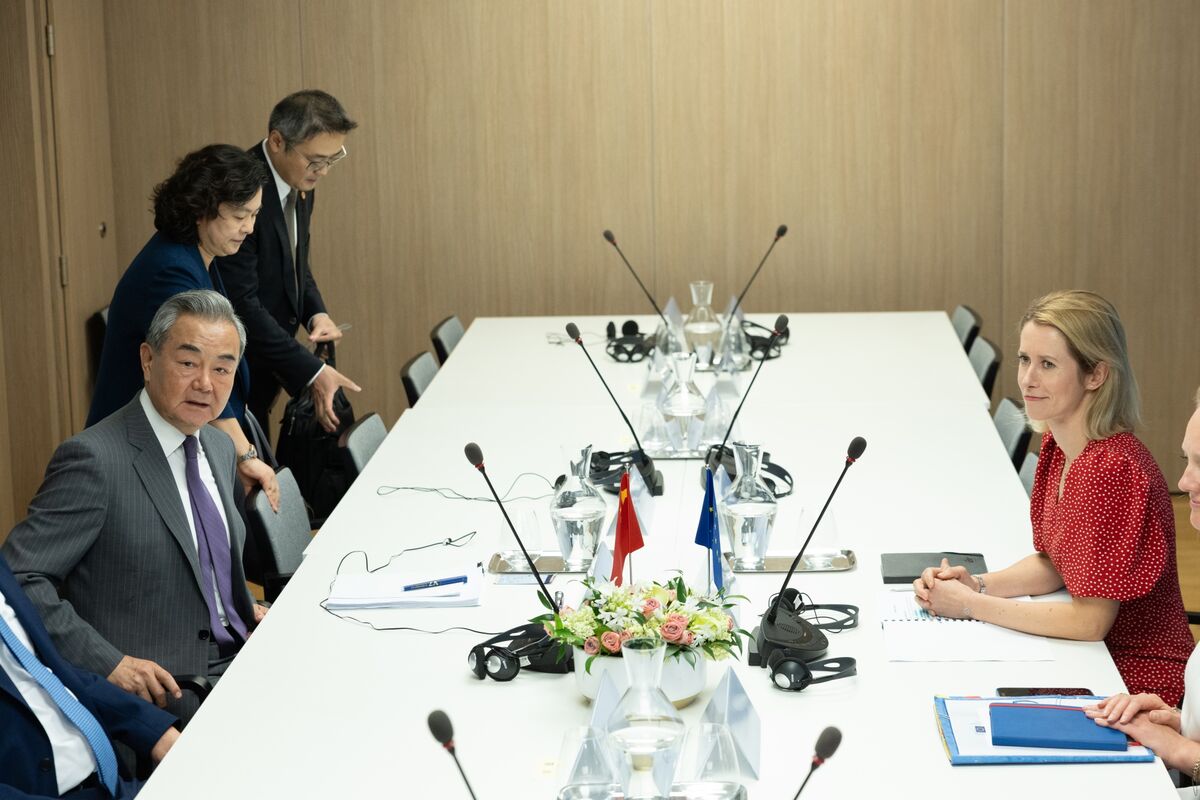
China reportedly plans to cancel the second day of an upcoming two-day summit with European Union leaders, a move initiated by Beijing that signifies escalating tensions between the two major economic blocs. This development underscores the growing strain in Brussels-Beijing ties and could have implications for future diplomatic and economic engagements.
The reported intention of the Chinese government to cancel the second day of an upcoming summit with the European Union is a significant indicator of deteriorating diplomatic and economic relations. This move, initiated by Beijing, reinforces a pattern of escalating tensions and introduces uncertainty into the future of EU-China engagement. While the plans are noted as not yet final, the signal itself carries a moderately negative sentiment for markets, reflecting concerns over potential disruptions to trade, investment, and policy coordination between two of the world's largest economic blocs. The absence of specific company mentions suggests this is a macro-level geopolitical risk, with potential broad-based implications for sectors heavily exposed to Sino-European commerce rather than a targeted, company-specific event.
AI-powered research, real-time alerts, and portfolio analytics for institutional investors.
Request DemoOverall Sentiment
moderately negative
Sentiment Score
-0.50
