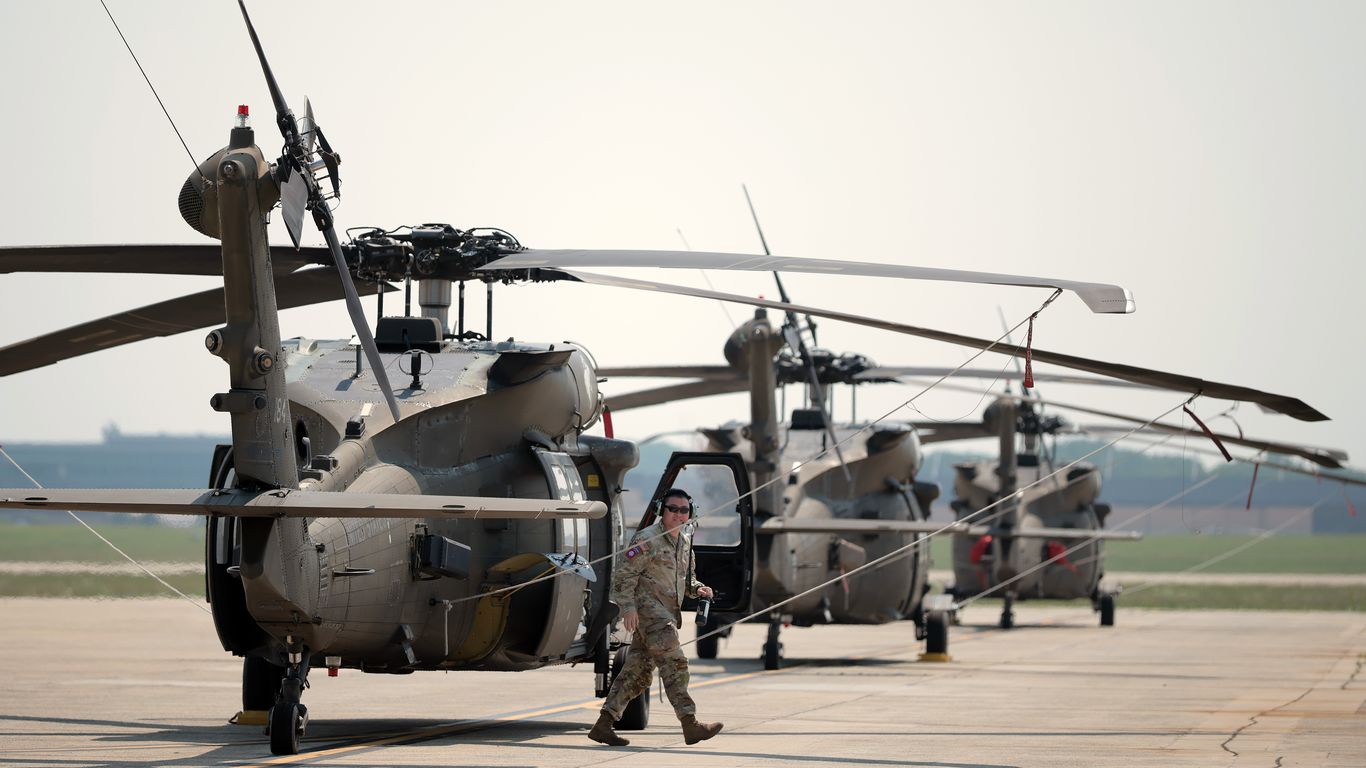
The U.S. 82nd Airborne Division is being positioned to the Middle East as President Trump considers seizing Kharg Island to force reopening of the Strait of Hormuz amid the Iran war now in its fourth week. The Immediate Response Force within the division can deploy anywhere within 18 hours, but planners warn light-infantry paratroopers would be vulnerable during a landing and have limited nearby support. A move to seize Kharg would materially raise the risk of regional escalation and could disrupt oil flows through the Strait, boosting oil-price volatility and broader market risk.
Markets will price disruption risk in the Gulf as an insurance-premium event first and a sustained supply shock only if chokepoints are rendered unusable for weeks. A temporary route disruption typically adds $5–$15/bbl to Brent within days through immediate risk premia and higher tanker time-charter costs; if closure persists past 4–6 weeks, the mechanical rebalancing (SPR releases, alternative rival supply) becomes the marginal swing factor.
Winners in a shock scenario are not just producers: owners of tanker capacity (public crude tanker names), reinsurers and specialty war-risk underwriters, and defense integrators capture both revenue and sentiment reflation; losers are refiners with light-sweet crude intake profiles, airlines and shipping-intensive consumer firms whose input-costs reprice quickly. Second-order supply-chain effects kick in within 2–8 weeks — higher freight rates and insurance spreads act like a tax on traded goods, compressing margins in autos, retail, and capital goods and forcing inventory draws that can be inflationary.
Tail risks are asymmetric: a rapid diplomatic de-escalation or coordinated spare-capacity release can erase most of the price move in 1–3 weeks, while escalation that triggers mine-laying, port denial or wider sanctions could keep premiums elevated for months and force structural rerouting (adding 10–20% to voyage days for some trades). Watch three near-term catalysts that will flip the market: official declarations restricting transit, credible third-party reinforcement of shipping lanes, and coordinated SPR or OPEC+ supply moves — any of which would change the probability-weighted price path materially.
AI-powered research, real-time alerts, and portfolio analytics for institutional investors.
Request DemoOverall Sentiment
mildly negative
Sentiment Score
-0.35
Ticker Sentiment
