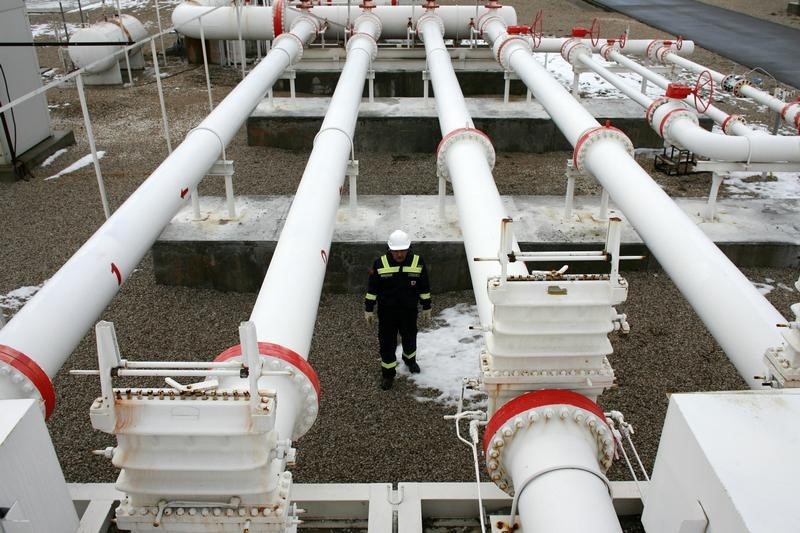
A drone strike hit a pumping station on Saudi Arabia’s 1,200km east–west pipeline at ~1pm; damage was limited and the pipeline was not shut down. The link carries close to 5.0 million barrels/day (about 70% of prewar export levels) to Yanbu, where loadings continued without interruption. While immediate physical disruption appears contained, the attack—coming after the U.S.-Iran ceasefire announcement—raises near-term oil-market volatility and geopolitical risk for a critical export route that bypasses the Strait of Hormuz.
This episode re-prices transit-risk across maritime oil corridors rather than changing supply fundamentals — expect a quick, visible repricing of freight and insurance, and a slower, stickier rise in sovereign / project security budgets. Freight rates for VLCC/Suezmax routes can gap 10–30% higher within days of follow-up incidents, while P&I/reinsurance for transits through the Red Sea corridor can rise 20–40% over 1–3 months as underwriters reset tail assumptions.
Second-order winners are firms that capture optionality created by temporarily distorted crude differentials and storage economics: traders with access to floating storage, refiners with feedstock optionality, and owners of modern midstream that can re-route or buffer flows. Conversely, cadence of hits to transit routes increases operating costs for oil majors’ marketing arms and raises working capital needs for refiners that import via contested corridors; expect 5–10% temporary margin pressure for coastal refiners that cannot substitute barrels quickly.
Key catalysts and risks are concentrated and asymmetric: a repeat incident cluster within 7–30 days forces prolonged chartering of longer voyages and a multi-month surge in freight/insurance; successful diplomatic de-escalation or rapid security measures will unwind most of the freight premium within 30–90 days. Over 12–24 months, the persistent reaction will be higher capex for hardened onshore infrastructure and contracted security, supporting defense and services revenue even if physical flows ultimately normalize.
AI-powered research, real-time alerts, and portfolio analytics for institutional investors.
Overall Sentiment
mildly negative
Sentiment Score
-0.10
