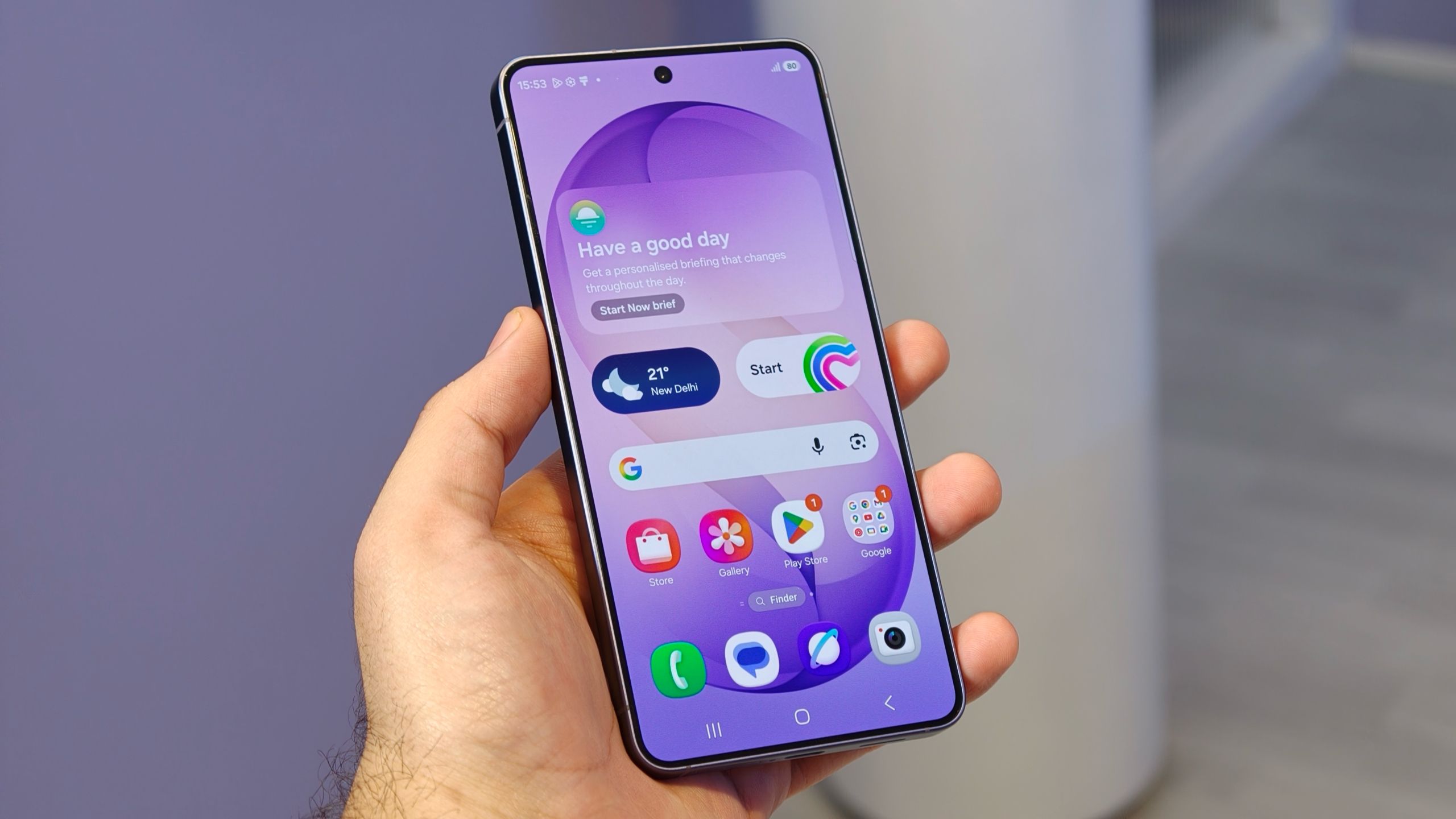
Samsung introduced a Screenshot Analyzer on the Galaxy S26 series that uses on-device AI to automatically categorize screenshots (boarding passes, chats, web pages, QR codes, social posts) and includes a one-tap 'Go to source' capability from within the Gallery app. The feature differentiates Samsung from Google's Pixel Screenshots by embedding functionality directly in the Gallery, potentially enhancing user experience and strengthening device competitiveness — a modest product-level positive that could support consumer demand but is unlikely to materially move Samsung's stock absent broader commercial metrics.
Market structure: Samsung’s Screenshot Analyzer is a small-but-meaningful product differentiator that benefits Samsung Electronics (SSNLF) and its chipset partner Qualcomm (QCOM) by increasing perceived device utility without changing pricing materially; Google (GOOGL/GOOG) is a modest loser as Pixel’s unique feature set narrows. Expect marginal share gains in premium Android tiers (0.5–2% over 6–12 months if marketing and carrier promos follow) and higher demand for Snapdragon SKUs in regions where S26 ships with QCOM silicon.
Risk assessment: Tail risks include privacy/regulatory action (EU/US data access and app-jumping APIs) and integration bugs that could force rollbacks—each could dent consumer trust and delay adoption for 1–4 quarters. Immediate effects (days–weeks) are PR-driven; short-term (1–3 months) depends on reviews and preorders; long-term (6–24 months) hinges on ecosystem partnerships and developer access to “go to source” hooks.
Trade implications: Favor semiconductors and Korean hardware exposure: QCOM and SSNLF get tactical interest; consider modest defensive short exposure to GOOGL because Pixel’s edge is reduced and ad monetization could see micro headwinds. Use options to size risk: calls to lever upside in QCOM/SSNLF, and limited-duration puts on GOOGL to hedge asymmetric downside if narrative accelerates.
Contrarian angles: Consensus likely overweights Google downside—Pixel is a small share of Android and Google can counter with software updates; conversely the market underestimates privacy/regulatory friction that could slow Samsung’s feature rollout. If GOOGL moves >5% on this narrative, re-evaluate pair sizes; if EU/FTC open inquiries in 30–90 days, risk premia should increase.
AI-powered research, real-time alerts, and portfolio analytics for institutional investors.
Request DemoOverall Sentiment
mildly positive
Sentiment Score
0.30
Ticker Sentiment
