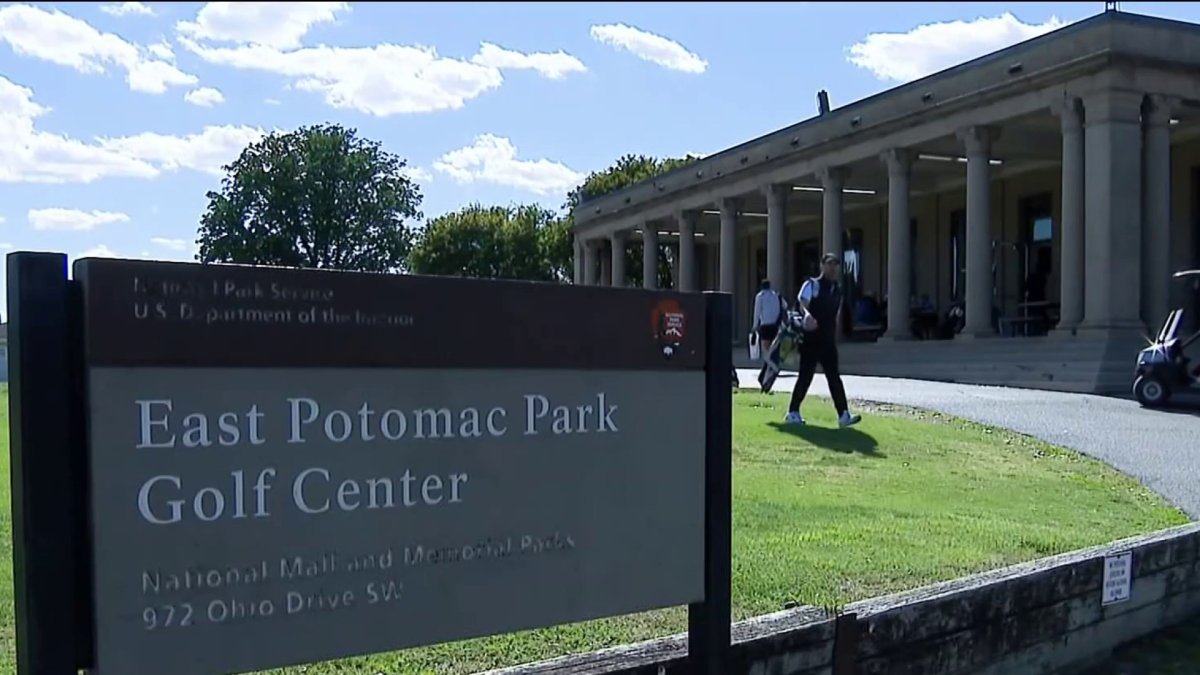
Deferred maintenance work at East Potomac Golf Course is expected to begin Monday as the Trump administration advances plans to rework part of D.C.’s waterfront, including a potential transformation into a championship golf course and memorial space. The proposal appears to reduce existing public recreation amenities, including bike paths, open space, mini golf, and tennis facilities, prompting local opposition and an emergency pause request in federal court. The course’s current operator says it will still open Monday at 7 a.m., but management and project specifics remain unclear.
This is less a golf-course story than a land-control and entitlement-risk story. The economically relevant question is whether the administration is extracting value from a public amenity by converting low-density recreational land into a more exclusive, higher-margin destination asset, which tends to reprice the entire adjacent leisure ecosystem toward private capture and away from public access. If that path holds, the winners are likely operators and vendors tied to premium golf, hospitality, landscaping, and memorial/construction services, while local community-use businesses lose traffic and pricing power. The immediate marketable catalyst is legal rather than operational: an emergency pause can delay mobilization, but if work starts, the clock shifts from injunction risk to disruption risk for months. The second-order effect is that a visible political project tends to attract scrutiny of comparable federal land-use decisions, raising discount rates for operators dependent on public approvals or multi-use leases. That matters especially for regional leisure assets where a single permit fight can freeze capex, weaken utilization, and impair seasonality assumptions for the next 1-2 quarters. The contrarian read is that the headline opposition may overstate true economic downside if the course remains open in some form and the redesign improves yield per acre. A smaller, more premium course can support higher fees, better event monetization, and stronger ancillary spend even as access narrows, which would shift value from broad public recreation to a narrower but more profitable customer base. In other words, the equity takeaway is not "golf demand is bad," but "land-use optionality is being repriced toward exclusivity."
AI-powered research, real-time alerts, and portfolio analytics for institutional investors.
Overall Sentiment
mildly negative
Sentiment Score
-0.15
