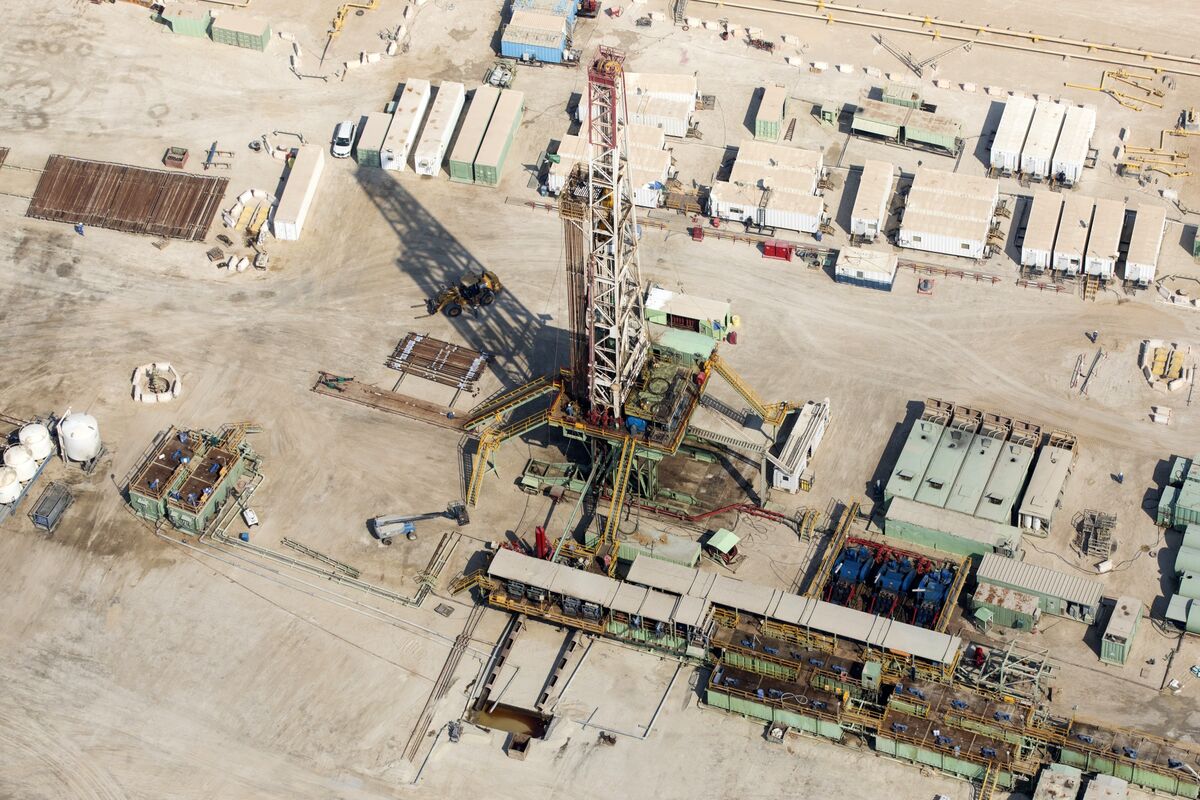
Saudi Arabia's oil rig count has fallen to 20 in July, marking its lowest level in over two decades and a sixth consecutive monthly decline from 46 in early 2024. This significant reduction reflects a strategic pivot towards natural gas investments and follows Riyadh's decision to maintain Aramco's oil production capacity at 12 million barrels per day, rather than expanding to 13 million, signaling a shift in the kingdom's energy investment priorities.
Saudi Arabia's oil drilling activity has contracted significantly, with the active rig count falling to 20 in July, a level not seen since February 2005 and a sharp decline from 46 in early 2024. This 18-month downward trend is a direct result of the government's strategic decision to cancel plans for expanding Saudi Aramco's oil production capacity to 13 million barrels per day, instead maintaining the current 12 million barrel-per-day target. The reduction in oil-focused drilling is being driven by a deliberate reallocation of capital towards natural gas projects, signaling a major pivot in the kingdom's long-term energy strategy. This sustained decline in drilling activity points to a reduced emphasis on growing crude oil spare capacity and reflects a bearish outlook for oilfield service providers in the region, even as it underscores a strategic focus on energy diversification.
AI-powered research, real-time alerts, and portfolio analytics for institutional investors.
Request DemoOverall Sentiment
strongly negative
Sentiment Score
-0.70
Ticker Sentiment
